Guides
How to care for a spider plant and understand brown tips
Care difficulty3 out of 10
Pay attention to watering and growing conditions.
Editorial guide, with suitable light and climate. 0: very easy; 10: very delicate. More stars mean more care.
A spider plant needs indirect light, compost that holds a little moisture without becoming sodden, and room for its fleshy roots. Water when the top starts to dry and let it drain. Brown tips call for checking water, feeding and position before changing everything.
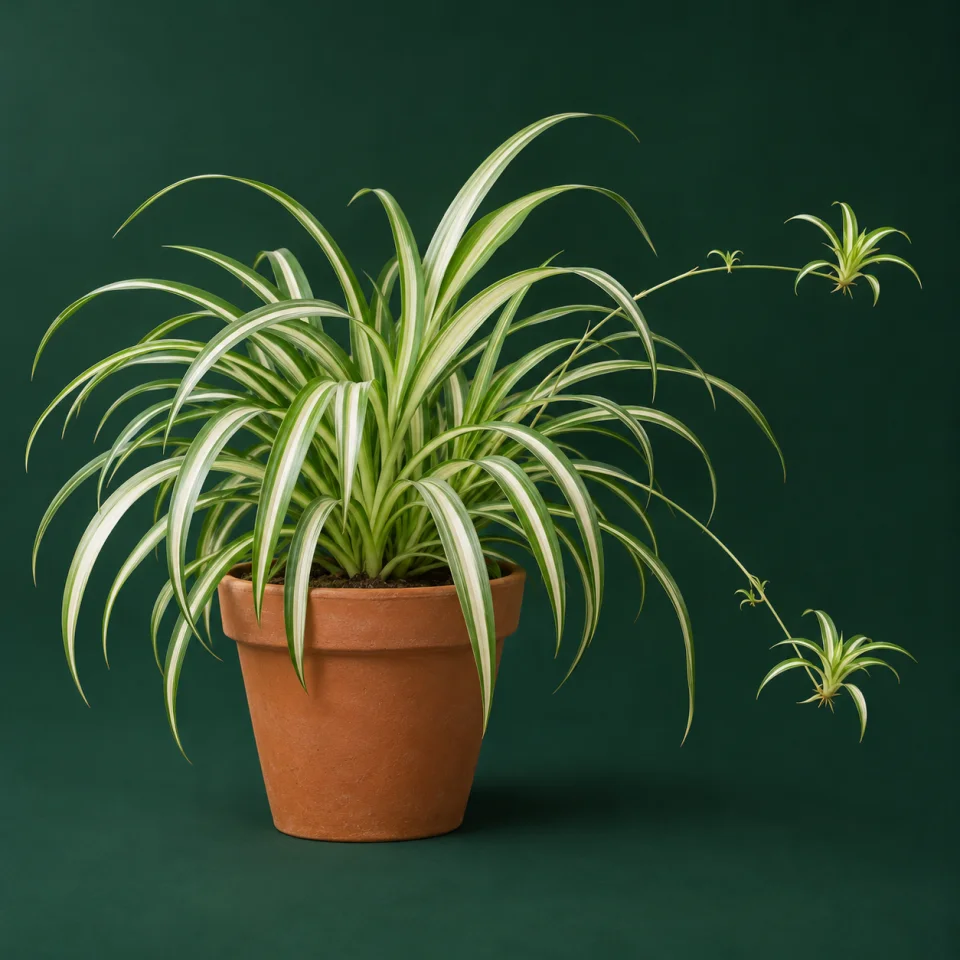
Botanical reference: Chlorophytum comosum
A bright spot with room for arching leaves
Chlorophytum comosum forms a clump of narrow arching leaves, green or striped depending on the variety. A stable shelf or hanging pot within watering reach works well, away from radiators and cold draughts. Leave space around its fountain of foliage: pressing it against a wall can leave bent and broken leaves.
Filtered light rather than harsh sun
Put it near a bright window with protection from intense sun. In low light it often grows more slowly and may lose contrast; extra fertiliser will not fix that. Yellowing or bleaching after a move into strong sun calls for gentler light. A gradual adjustment makes more sense than moving it every day.
Let it dry a little, not throughout the pot
Feel the top of the compost and check the pot’s weight before watering. As the top starts to dry, water slowly to moisten the rootball and empty the saucer after drainage. Fleshy roots store water, but it does not need a ZZ plant’s complete drying. Avoid continuously sodden compost too; lower light or slower growth usually reduces water use.
Fleshy roots need room as well
Use houseplant compost and a pot with drainage holes. It can be slightly snug, but roots displacing compost, slowing growth or water racing through a tightly packed rootball call for a repotting check. Move to a modestly larger pot with fresh mix at the same planting depth. Do not keep it trapped to force plantlets.
Light feeding and gentle cleaning
Fresh compost with nutrients may mean no extra feed is needed. If feeding is necessary during growth, use a balanced product as labelled without combining products. Excess can burn tips and reduce plantlets. Wipe dust away with a damp cloth and remove dead leaves with clean scissors. Trimming a brown tip improves appearance but cannot restore dead tissue.
Look for a pattern behind brown tips
Prolonged dryness, excess water, very dry air, strong sun, salts or sensitivity to tap water can all play a part. Check moisture and roots, review recent feeds and move it away from direct heat. If water quality seems involved, try clean rainwater or distilled water. Do not add water to wet compost or treat dry tips as pests without evidence.
Keep plantlets or start a small new pot
Slender runners may carry white flowers followed by little plants. Leave them hanging or detach a plantlet with its own roots and settle it into a small pot of moist, not soggy, compost. You need not cut every runner. A young or recently repotted plant may take time to produce plantlets; their absence alone does not establish a problem.
Simple checks, holidays and pets
Check the base and leaf undersides for insects or cottony deposits; separate the plant if pests are confirmed. Before a trip, assess normal drying and arrange checks if needed, without leaving it submerged. The species profile consulted classifies it as non-toxic to dogs and cats, but it is not food or a guarantee about fertiliser. Discourage chewing and contact a vet if ingestion causes illness.
Guides to help with your decision

Which flowers to give to someone with cats or dogs
Flowers for a home with cats or dogs: options to consider, checking the whole bouquet and precautions with lilies, holly and mistletoe at Christmas.
How to care for a Phalaenopsis orchid indoors
Light, watering and roots: care for a Phalaenopsis pot, spot problems and keep the plant after flowering.
How to care for a ZZ plant without overwatering
Light, dry-between-waterings care, pots, feeding and yellow leaves: a practical ZZ plant guide with pet precautions.
How to care for a peace lily without waterlogging its pot
Light, drooping leaves, watering, green spathes and repotting: practical peace lily care with precautions for children and pets.
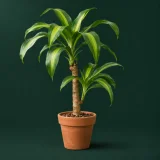
How to care for a corn plant in a pot
Light, watering, brown tips, canes and repotting: practical Dracaena fragrans care with simple checks for your home.
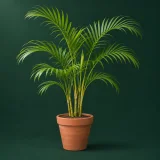
How to care for an areca palm in a pot
Light, watering, dry tips, repotting and fronds: areca care that distinguishes dead-leaf removal from cutting a growing point.
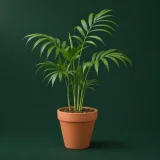
How to care for a parlour palm in a pot
Light, watering, roots and brown tips: care for Chamaedorea elegans without overwatering or mistaking slow growth for trouble.
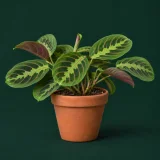
How to care for a prayer plant in a pot
Light, humidity, watering and moving leaves in Maranta leuconeura. Keep its patterns healthy without mistaking night movement for thirst.
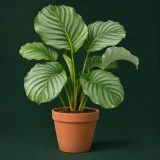
How to care for calathea orbifolia in a pot
Filtered light, water, air humidity and brown leaves in Goeppertia orbifolia. Learn to water it without keeping its roots soaked.
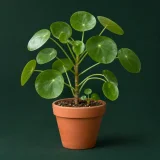
How to care for a Chinese money plant in a pot
Light, watering, round leaves and offsets of Pilea peperomioides. Keep it healthy and separate young plants without soaking their roots.
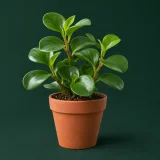
How to care for a baby rubber plant in a pot
Peperomia obtusifolia light, watering and pot care: judge partial drying, choose a container and check problems without drowning the roots.
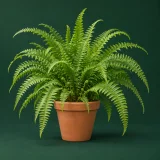
How to care for a Boston fern in a pot
Boston fern light, watering and humidity. Check dry tips, sori and roots without soaking the plant or drying its root ball completely.
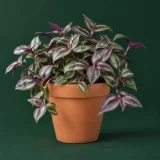
How to care for Tradescantia zebrina in a pot
Light to keep its stripes, measured watering and trimming for a fuller zebrina. Renew long stems without unnecessarily disturbing the roots.
Frequently asked questions
Will brown tips turn green again?
No. You can trim only the dry portion for appearance while keeping healthy tissue. Correct the cause and watch new leaves instead of automatically adding water or fertiliser.
Must I remove the plantlets?
No. Keep them hanging if you like them and they are not too heavy. To start a new plant, choose one with its own roots and a small pot. Avoid an oversized container or extra fertiliser to force more plantlets.
Sources and what they support
- RHS · Spider plants
Indirect light, lightly moist compost without standing water, less watering as growth slows, modest pot-size increases, feeding only as needed and rooted plantlets. Brown tips have several causes, not one diagnosis.
- University of Wisconsin Extension · Spider plant
Identity, fleshy roots, slight drying between waterings, light feeding, salts and water quality among causes of brown tips; possible scale/mealybugs. Slightly snug does not mean indefinitely root-bound.
- New York Botanical Garden · Spider plant
Damp-cloth cleaning, avoiding direct heat, checking roots that displace compost and excess feed reducing plantlets or burning tips. Its monthly feeding example is not made compulsory.
- ASPCA · Spider plant: species profile
Species-specific classification of Chlorophytum comosum as non-toxic to dogs and cats; not food or a guarantee against digestive upset from ingestion or about fertiliser safety.
- Cats Protection · Plants and cats
Explicitly lists Chlorophytum comosum among non-toxic indoor plants for cats. Cat-specific, without food or applied-product guarantees.
How we put these guides together
We review dates, care and recommendations to help you plan each gift.
Spotted something we should review? Contact Agenda Floral.