Guides
How to care for a parlour palm in a pot
Care difficulty3 out of 10
Pay attention to watering and growing conditions.
Editorial guide, with suitable light and climate. 0: very easy; 10: very delicate. More stars mean more care.
A parlour palm needs indirect light, a warm room and water as the surface begins to dry. It tolerates some shade, not a corner without daylight. Let water drain, keep green fronds and allow time: slow growth does not call for a huge pot or extra fertiliser.
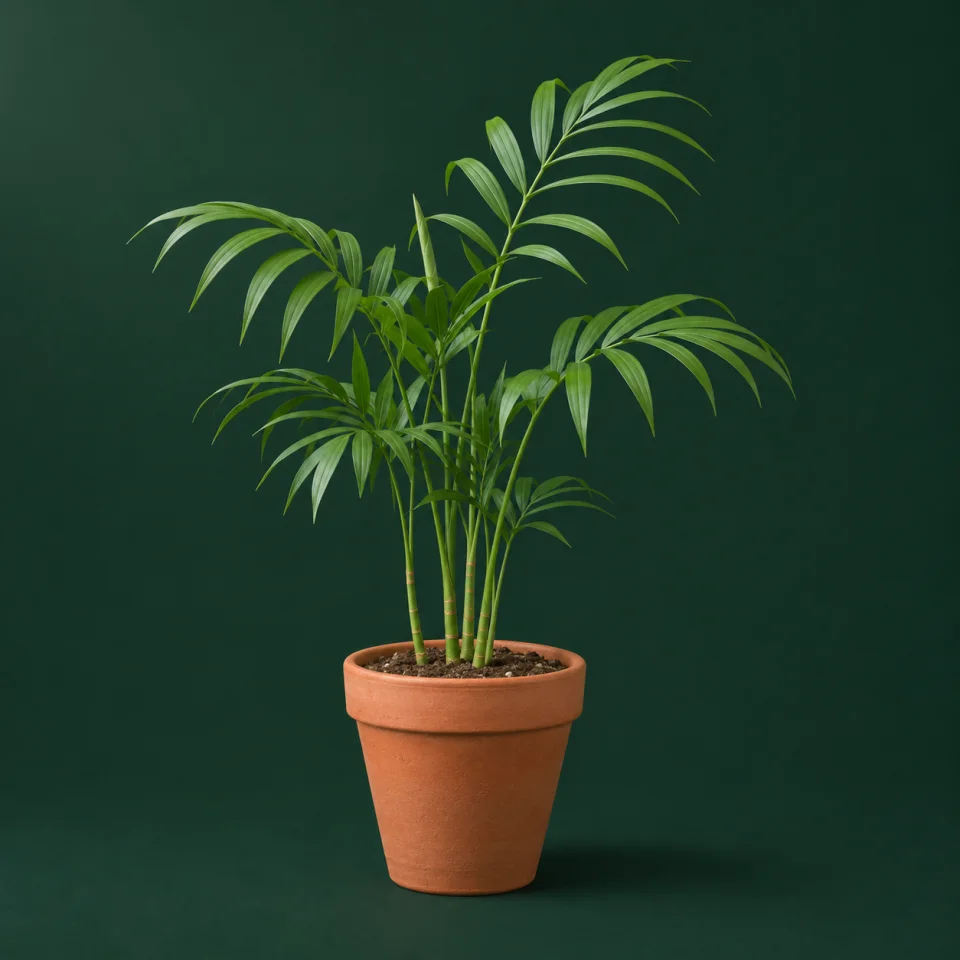
Botanical reference: Chamaedorea elegans
Check for Chamaedorea elegans
Look for this name on the label. Slender green stems carry fronds divided into leaflets; a pot often contains several single-stemmed plants rather than one palm branching at its base. Choose healthy foliage and a size that fits without brushing a walkway. A small plant will not fill a corner in a few weeks: a steady, slow pace belongs to this species.
A bright position without harsh sun
Provide natural indirect light. It accepts a slightly less bright position than an areca, with slower growth. Humidity does not make a windowless bathroom suitable. Filter strong sun falling on leaves, and avoid cold draughts or direct heating airflow. Protect foliage during a cold journey home, without leaving it forgotten in a closed car.
Check before reaching for the watering can
Feel the surface and just beneath it, and compare pot weight. Once the top is dry and the mix below has started losing moisture, water slowly through the rootball and allow drainage. Empty the saucer or outer pot. Neither dry every root nor keep them constantly wet. Lower light or slower growth reduces water use. If the mix is still moist, wait and check again.
A modest pot and an airy mix
Use a pot with holes and a light, freely draining indoor-palm mix suited to slightly acidic to neutral conditions. Avoid heavy garden soil and a jump into a huge container. When roots fill the available space and watering becomes awkward, repot during active growth into a modestly larger pot. Preserve depth and healthy roots; separating every seedling on arrival is not essential care.
Water and feed without forcing growth
Low-lime water at room temperature helps; clean rainwater can be an option. Standing hard water overnight does not remove its lime. Feed during growth according to the label and nutrients already present, without combining products. Extra fertiliser cannot replace a window when low light slows growth. It needs no steam-filled jungle: keep away from radiators and gently wipe dust away.
Keep green fronds and leave stem tops alone
Cut fully dead fronds with clean tools, without pulling or injuring stems. Each plant grows at its top: removing that growth point to reduce height can lose that stem. A cut leaf pushed into soil does not propagate it. Small yellow flowers can appear without signalling trouble; do not force flowering, and avoid handling fruit, which can irritate skin.
Brown tips and unwelcome visitors
Too little water, waterlogged roots, strong sun, hard water or dry air may cause similar damage. Check moisture, position and recent changes before acting. An old lower frond may yellow naturally; several together deserve a wider check. Inspect undersides and bases for mites or scale. Isolate confirmed pests and choose an appropriate measure rather than treating daily misting as guaranteed prevention.
Time away and pets
Leave instructions for checking moisture and emptying the saucer instead of watering every set number of days. Keep a bright, frost-free position. Chamaedorea elegans is listed as non-toxic to dogs and cats, but is not food or permission to chew leaves or fruit. Keep the label and store fertilisers out of reach; consult your vet for discomfort after ingestion or uncertain identification.
Guides to help with your decision

Which flowers to give to someone with cats or dogs
Flowers for a home with cats or dogs: options to consider, checking the whole bouquet and precautions with lilies, holly and mistletoe at Christmas.
How to care for a spider plant and understand brown tips
Light, watering, roots, plantlets and dry leaf tips: what to check when caring for a spider plant at home without overdoing water or feed.
How to care for an areca palm in a pot
Light, watering, dry tips, repotting and fronds: areca care that distinguishes dead-leaf removal from cutting a growing point.

How to care for a kentia palm in a pot
Light, water, fronds and roots of Howea forsteriana: choose a suitable place, repot when needed and understand changes before acting.
How to care for a prayer plant in a pot
Light, humidity, watering and moving leaves in Maranta leuconeura. Keep its patterns healthy without mistaking night movement for thirst.
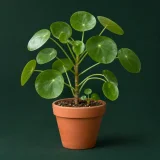
How to care for a Chinese money plant in a pot
Light, watering, round leaves and offsets of Pilea peperomioides. Keep it healthy and separate young plants without soaking their roots.
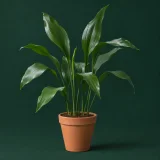
How to care for a cast-iron plant in a pot
Aspidistra elatior light, watering, repotting and division. Care for its leaves without confusing resilience with darkness or constantly wet mix.
Frequently asked questions
Why does it seem not to grow?
Check light, roots and moisture first. If these are suitable, slow growth may be normal; extra water and feed do not fix that pace. A small plant takes time to gain volume, and a darker position slows it further.
Does it need repotting every year?
Not by the calendar. If roots have useful space and watering is manageable, it can stay put. Repot carefully when needed, into a proportionate size: extra wet soil around it does not always help.
Sources and what they support
- RHS · Growing chamaedorea
Indirect light, surface drying, low-lime water, feeding and repotting guided by growth. Shade tolerance does not mean no light; no universal dose or months.
- NC State Extension · Chamaedorea elegans
Single-stemmed plants often grouped in one pot; roots, pests and possible fruit irritation. No air-cleaning promise or fixed size.
- NYBG · Palm plants indoors
Growth point at each stem top and sensitive roots. No single mix, rest period or height-reduction pruning applied to every palm.
- ASPCA · Parlor palm
Chamaedorea elegans listed as non-toxic to dogs and cats. Not an edible designation, absence of irritation or safety rating for other palms.
How we put these guides together
We review dates, care and recommendations to help you plan each gift.
Spotted something we should review? Contact Agenda Floral.