Guides
How to care for a cast-iron plant in a pot
Care difficulty1 out of 10
Pay attention to watering.
Editorial guide, with suitable light and climate. 0: very easy; 10: very delicate. More stars mean more care.
Cast-iron plants prefer gentle light without direct sun and a fairly cool room. Keep some moisture in the root ball, allowing the surface to start drying before watering and removing surplus. Slow growth does not mean it needs extra water or feed. A draining pot and dust-free leaves help more than constantly moving it.
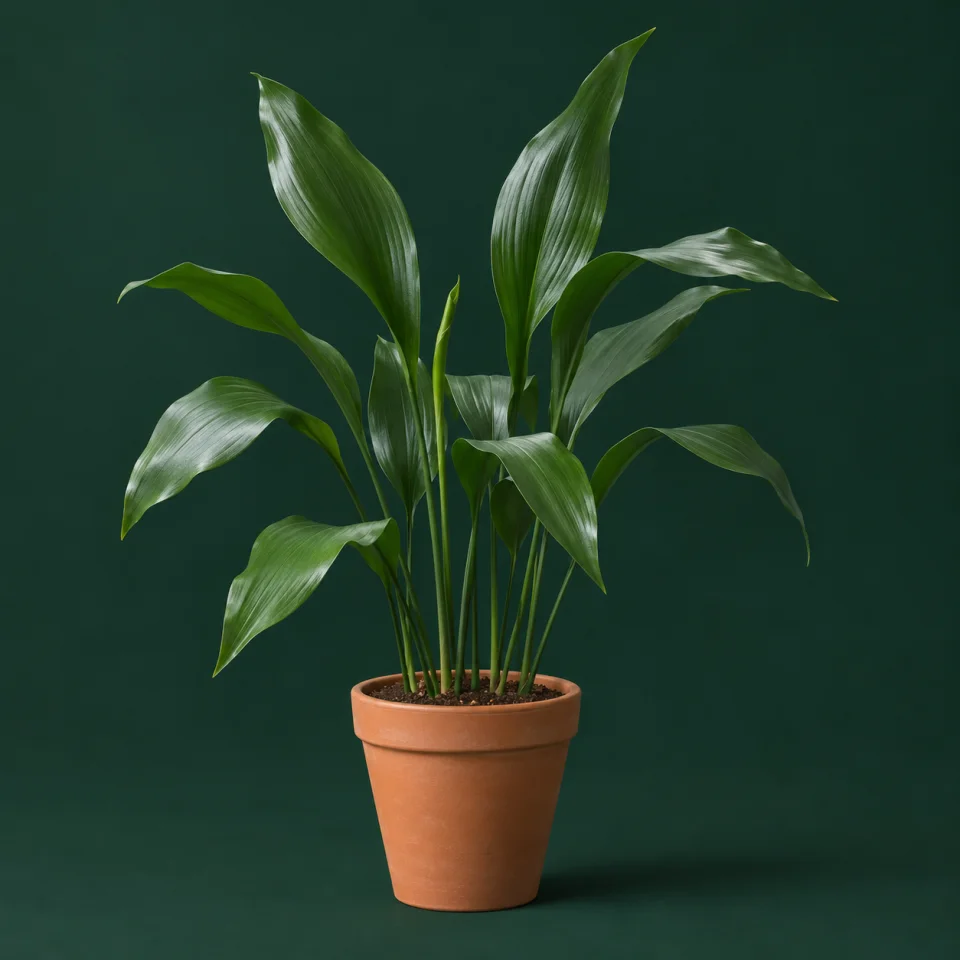
Botanical reference: Aspidistra elatior
Leaves rise separately from the base
This guide covers Aspidistra elatior. Long leathery pointed leaves rise on individual stalks from an underground rhizome, rather than a branching trunk. Green and variegated forms exist, so keep the label. It is grown for foliage; small flowers can sit at mix level. Not seeing flowers or frequent new leaves does not by itself show a problem.
Low light does not mean no light
It can suit a dimmer position than many plants but still needs light. A sunless window gives better growth than an almost dark corner, where it slows down. Avoid sun that scorches leaves and nearby radiators. A cool room, for example around 10–20°C, is a useful reference rather than an exact survival boundary. Protect it from frost.
Check moisture before reaching for water
Feel the upper mix and lift the pot. As the surface starts losing moisture, slowly water the root ball and let it drain. Still damp and heavy means wait. Empty the saucer or cover pot so roots do not sit in water. Lower light and slower growth need less. Occasional drying is tolerated, but prolonged complete dryness and fixed watering days are unhelpful.
Repot for a reason
A bigger pot is not needed every year. If roots fill the container, water runs through without wetting properly or the mix loses structure, inspect the root ball. During growth, move only slightly larger with holes and houseplant mix retaining moisture without compacting. Keep the previous depth rather than burying new shoots. A healthy plant with room can stay put.
Simple cleaning and modest feeding
Support each leaf and wipe dust with a soft damp cloth without bending the stalk. This helps it use available light. Normal household air is tolerated; daily misting is unnecessary. If growing in mix whose nutrients are depleted, use houseplant feed according to the label. Reduce or pause as growth slows. Extra fertiliser neither makes a slow plant fast nor repairs damaged roots.
Remove old leaves and divide only if wanted
It does not need all-over pruning for renewal. Cut a dead or badly damaged leaf near the base with a clean tool, avoiding new pointed shoots. To make another plant, divide a large clump during growth, retaining roots, rhizome and several leaves on each piece. Pot divisions proportionately with moderate moisture. A detached leaf is not equivalent to a division; a healthy clump need not be split.
What to check when it looks unhappy
One ageing yellow leaf differs from several collapsing in wet mix. Check drainage, roots, sun and temperature changes. Brown edges or marks have several possible causes; more water is not the answer to all. Inspect undersides and the base for mites, scale insects or other pests. Separate an affected plant and establish the cause before applying products.
Absences and animals at home
Explain moisture checks and surplus removal before leaving. A full saucer cannot compensate for every day away. The ASPCA lists Aspidistra elatior as non-toxic to dogs and cats, but it is not food. Prevent chewing and access to mix, feed and treatments. If an animal becomes unwell after ingestion, seek veterinary advice with the plant name and products used.
Guides to help with your decision

Grandfather’s Day in Poland
In Poland, Dzień Dziadka, Grandfather’s Day, is celebrated on 22 January.
Which flowers to give to someone with cats or dogs
Flowers for a home with cats or dogs: options to consider, checking the whole bouquet and precautions with lilies, holly and mistletoe at Christmas.
How to care for a parlour palm in a pot
Light, watering, roots and brown tips: care for Chamaedorea elegans without overwatering or mistaking slow growth for trouble.
How to care for a baby rubber plant in a pot
Peperomia obtusifolia light, watering and pot care: judge partial drying, choose a container and check problems without drowning the roots.
How to care for a Boston fern in a pot
Boston fern light, watering and humidity. Check dry tips, sori and roots without soaking the plant or drying its root ball completely.
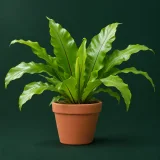
How to care for a bird’s nest fern in a pot
Asplenium nidus light and edge watering. Protect the rosette centre and distinguish sori, damaged fronds and root problems.
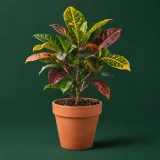
How to care for a croton in a pot
Light for colourful leaves, steady warmth and watering without extremes for Codiaeum variegatum. Avoid sudden changes and work through leaf loss.
Frequently asked questions
Can it live in a windowless hallway?
Low-light tolerance does not replace the light needed for growth. If insufficient light reaches the hallway, choose somewhere near a window without strong sun. Keeping its leaves temporarily does not prove a completely dark place is suitable long term.
Why are new leaves so infrequent?
Slow growth can be normal, particularly in low light or cool temperatures. Check light, roots and moisture before feeding or repotting. Firm healthy existing leaves do not need growth forced. If leaves soften or collapse in wet mix, investigate drainage.
Sources and what they support
- NC State Extension · Aspidistra elatior
Rhizomatous identity, basal leaves, shade, drainage and slow growth. Drought or garden-soil tolerance does not mean neglecting a pot or immunity to pests.
- RHS · Growing aspidistras
The group includes elatior: low/filtered light, a cool room, moisture without saturation, household air, cleaning, modest repotting and division. No universal months, air-purification promise or calendar watering/feeding.
- RHS · Aspidistra elatior
Species, leathery foliage, inconspicuous ground-level flowers, division and no required pruning. British hardiness not extrapolated to every pot; no size, timing or flowering guarantees.
- Science & Plants for Schools · Using Aspidistra
Distinguishes tolerating a dark corner from better growth in medium sunless light. Corroborates slow growth and dividing rooted shoots. No indestructibility, pollination claims, months or fortnightly fertiliser.
- ASPCA · Cast iron plant
Lists Aspidistra elatior as non-toxic to dogs and cats. Not proof of edibility, trouble-free chewing or safe feed, mix and treatments.
How we put these guides together
We review dates, care and recommendations to help you plan each gift.
Spotted something we should review? Contact Agenda Floral.