Guides
How to care for a baby rubber plant in a pot
Care difficulty3 out of 10
Pay attention to watering and growing conditions.
Editorial guide, with suitable light and climate. 0: very easy; 10: very delicate. More stars mean more care.
Peperomia obtusifolia needs plenty of light without harsh sun, a warm room and a pot that drains. Allow the mix to dry partly before watering again and empty surplus water. Fleshy leaves store moisture, but do not make it a cactus. If it droops in wet mix, check the roots before adding more.
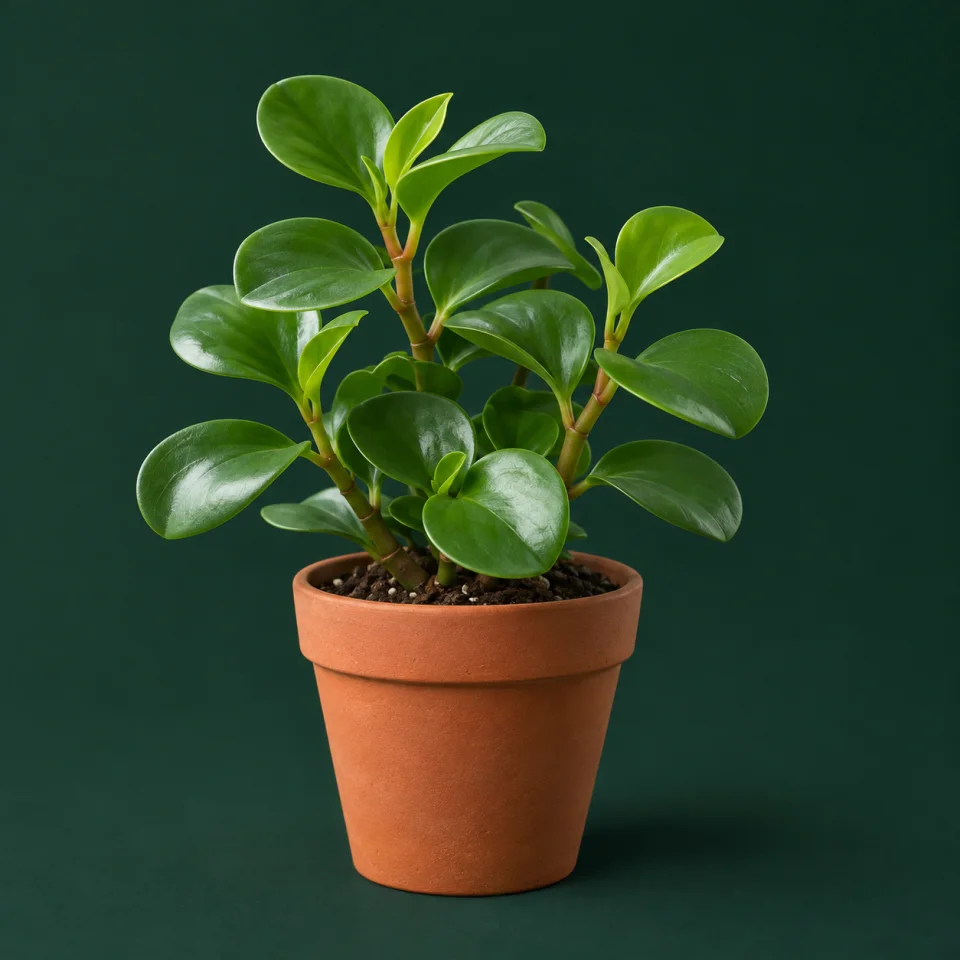
Botanical reference: Peperomia obtusifolia
Start with the right peperomia
This guide covers Peperomia obtusifolia, with thick glossy leaves and rounded tips. It may be called baby rubber plant, but is not Ficus elastica. Peperomias do not all need identical care either. Keep the label and choose firm stems. Slender spikes that sometimes appear are flowers; a plant grown mainly for its leaves need not flower to be healthy.
A bright window without fierce sun
Find filtered brightness near a window, protected from sun that heats the leaves strongly. A dark corner may keep it going temporarily but encourage long weak stems. Choose a comfortably warm, stable room away from radiators and cold draughts. Change positions gradually; watering more will not restore the damaged part of a scorched leaf.
Let some of the mix dry
Feel the upper layer and lift the pot to judge its weight. Still damp and heavy means wait. Once partly dry, water slowly to moisten the root ball and let it drain. Empty the saucer or cover pot. Lower light or slower growth means longer gaps. Avoid constant wetness and leaving the whole root ball dry for a long time; there is no fixed watering day.
A suitable pot and an airy mix
Use clear drainage holes and houseplant mix that holds some moisture without becoming dense; an aerating ingredient can help. Cactus mix is not automatically needed. Repot when roots fill the container or mix loses its structure, preferably during growth. Choose only a slightly larger size and keep the planting depth. A huge pot leaves more wet mix around a small root system.
Modest feeding and clean leaves
During active growth, use houseplant feed according to the label and nutrients already in the mix. Reduce or pause when growth slows; fertiliser does not repair rotten roots. Wipe dust away with a soft damp cloth while supporting each leaf. It usually adapts to household air: neither a closed terrarium nor constantly wet leaves and soil are necessary for humidity.
Trim only when needed
Regular pruning is unnecessary. Remove dead parts and shorten an overly long stem with a clean tool to encourage a fuller shape. A healthy leafy tip with a node can make a cutting in a small pot of draining mix. Place the node in contact with the mix without burying leaves. Keep moderate moisture, gentle warmth and indirect light. Successful rooting is not guaranteed.
Yellow leaves do not always mean thirst
Check moisture, drainage, light and cold first. Several falling leaves, a soft base or an unpleasant smell in wet mix suggest damaged roots; more water may make things worse. If needed, ease out the root ball to inspect it. Check undersides and joints for mealybugs or other insects too. Separate an affected plant and identify the cause before products or feed.
Absences and animals at home
Ask a helper to feel the mix and remove surplus, rather than fill a saucer for several days. The ASPCA lists this species as non-toxic to dogs and cats; confirm it really is obtusifolia. Do not offer it as food or allow access to feed and treatments. If an animal becomes unwell after chewing it, seek veterinary advice and explain which products were used.
Guides to help with your decision

Which flowers to give to someone with cats or dogs
Flowers for a home with cats or dogs: options to consider, checking the whole bouquet and precautions with lilies, holly and mistletoe at Christmas.
How to care for a spider plant and understand brown tips
Light, watering, roots, plantlets and dry leaf tips: what to check when caring for a spider plant at home without overdoing water or feed.
How to care for a Chinese money plant in a pot
Light, watering, round leaves and offsets of Pilea peperomioides. Keep it healthy and separate young plants without soaking their roots.
How to care for a cast-iron plant in a pot
Aspidistra elatior light, watering, repotting and division. Care for its leaves without confusing resilience with darkness or constantly wet mix.
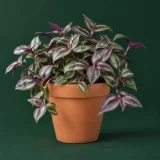
How to care for Tradescantia zebrina in a pot
Light to keep its stripes, measured watering and trimming for a fuller zebrina. Renew long stems without unnecessarily disturbing the roots.
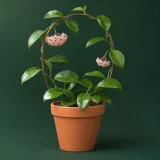
How to care for Hoya carnosa in a pot
Light, watering and an airy potting mix for the wax plant. Train its stems and keep the flower spurs that can bloom again.
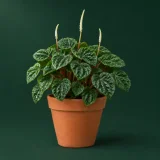
How to care for a ripple peperomia indoors
Watering, light and roots for Peperomia caperata, with checks for normal leaf ridges versus stress and a practical leaf-cutting method.
Frequently asked questions
Should I water it like a cactus because its leaves are thick?
No. Allow partial drying, but do not impose prolonged drought. Check mix and weight: pot size, light and temperature change the rhythm. Fleshy leaves provide some reserve, rather than replacing healthy roots or justifying permanently dry mix.
Must I repot it as soon as I buy it?
Not if it is healthy, drains and has enough room. First observe how it dries in your home. Routine repotting into a large container can leave too much wet mix. If roots are very crowded or mix deteriorated, move up proportionately during growth.
Sources and what they support
- NC State Extension · Peperomia obtusifolia
Identity, fleshy leaves, indirect brightness, household air and excess-water problems. Moisture descriptions are qualified by partial drying, not prolonged drought; not confused with Ficus.
- RHS · Peperomia obtusifolia
Leathery-leaved species, frost-free conditions and no required pruning. Hardiness is not an ideal temperature or a guarantee for any room.
- RHS · Growing peperomia
Genus guide: partial drying, airy mix, modest pot, filtered light, cuttings and mealybugs. Adapted to obtusifolia without British months, fixed watering, compulsory terrarium or other species’ cactus mix.
- ASPCA · American rubber plant
Lists Peperomia obtusifolia as non-toxic to dogs and cats. Not evidence of edibility, risk-free chewing, safe applied products or other rubber plants.
How we put these guides together
We review dates, care and recommendations to help you plan each gift.
Spotted something we should review? Contact Agenda Floral.