Guides · Spain
Which flowers to give to someone with cats or dogs
Before giving flowers ask whether there are cats or dogs at home. Consider gerberas, roses or a Phalaenopsis orchid after confirming their identity and checking everything included in the gift. ASPCA lists them as non-toxic to both animals. That does not mean eating them cannot cause upset. For a home with cats avoid Lilium and Hemerocallis lilies, including in mixed bouquets.
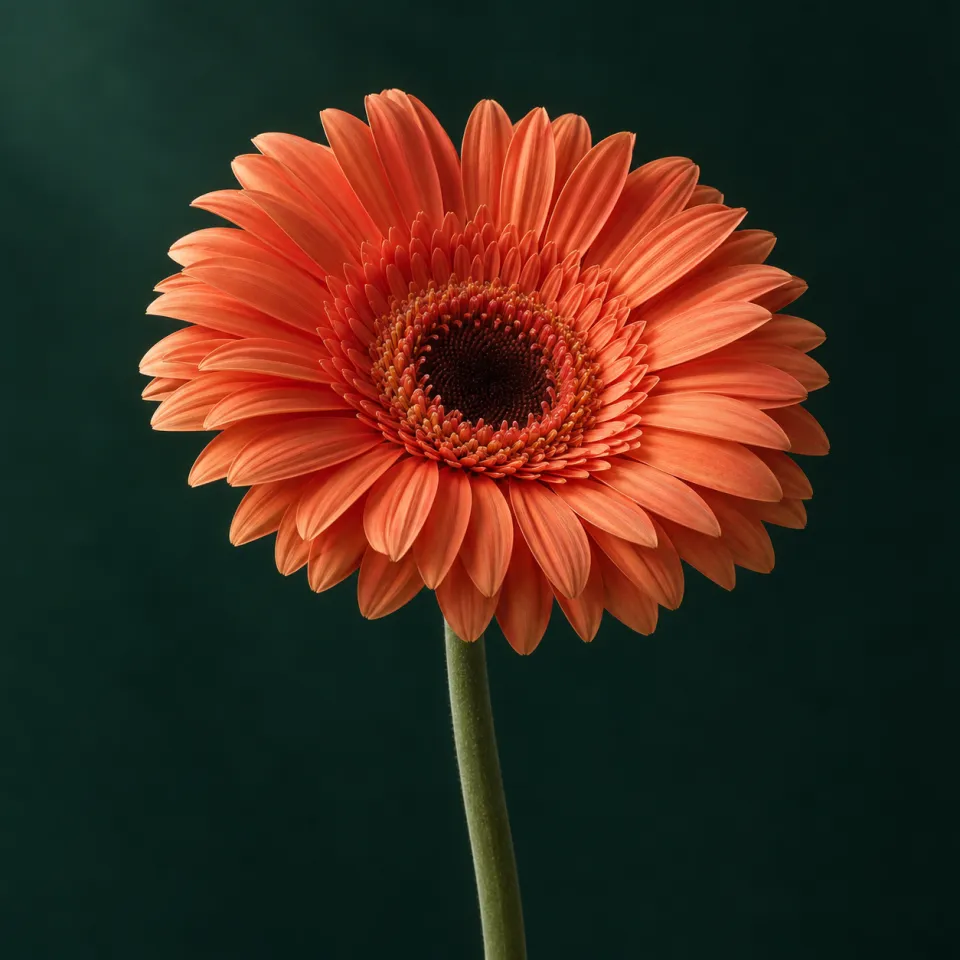
Three options to start with
A gerbera could suit someone who likes colourful flowers with a simple shape. The ASPCA entry identifies Gerbera jamesonii. Ask the florist to confirm the plant because the name daisy is used for different plants.
For a bouquet consider roses from the genus Rosa. If you prefer a plant we suggest a Phalaenopsis orchid, provided the recipient wants to look after one. ASPCA lists both groups as non-toxic to cats and dogs. Check the final arrangement before deciding.
Check every flower and piece of foliage
The main flower’s classification is not enough to assess a mixed bouquet. Ask for the names of every flower and any filler foliage. Check their identity with a competent source for the animal living at home. If a component cannot be identified ask for it to be replaced before accepting the order.
Ask about the container and packaging too. As a practical suggestion deliver the gift without loose decorations and agree where it will go. If the animal tends to chew plants and there is no suitable place, ask the recipient whether they would prefer another gift.
For homes with cats, avoid Lilium and Hemerocallis
The FDA advises avoiding these lilies in homes with cats. The risk includes pollen and vase water. Do not choose them for a mixed bouquet or rely on putting it on a high shelf.
Common names can be confusing. Other plants called lilies also pose risks, even if they differ. Confirm the botanical name rather than assuming an alternative is safe just because it is not Lilium.
How to explain it when ordering
You could say “The bouquet is for a home with a cat. I would like to consider gerberas or roses and need the names of the foliage and any filler flowers too. Please do not include Lilium or Hemerocallis or substitute components without checking with me.” Adapt this sample request for a home with a dog.
Before paying confirm what will actually be delivered. For a remote order ask for the details in writing. That way the recipient can also find out what is in the bouquet.
Non-toxic does not mean edible
ASPCA warns that eating plant material can cause digestive upset even when a plant is listed as non-toxic. That classification does not assess the packaging or the rest of the arrangement either. The gift should not be offered as food for the animal.
If you suspect a cat has been exposed to lilies call a veterinarian immediately, even if the cat still seems well. Contact a veterinarian for other suspected poisoning too. This guide helps with choosing a gift and does not replace veterinary care. Catalogue pictures are illustrative and should not be used to identify a plant in an emergency.
Which flowers to choose
We suggest flowers that may suit each occasion. Where a custom is documented, we explain it separately. For a personal gift you can choose another flower if you know the recipient will like it more.

Red rose
Red roses can suit an anniversary or Valentine’s Day when you know your partner likes them. A single rose with a note can feel personal too. For Sant Jordi on 23 April, you can pair it with a book as part of the Catalan tradition. If your gift is for a friend or a thank-you, explain the occasion in your card.
Gerbera
Start with the recipient’s favourite colour when choosing gerberas. We suggest them for birthdays, thank-you gifts and Mother’s Day when you want colour to lead the arrangement. Choose a bouquet they can easily display or a pot if they enjoy caring for plants.

Phalaenopsis orchid
A phalaenopsis can make an anniversary or new-home gift when the recipient wants a plant to care for. It can also accompany a thank-you. Check that there is a suitable bright position and room for the pot and flower spikes. If they prefer flowers without ongoing plant care, choose a bouquet.
Guides to help with your decision
When to give lilies
How to choose lilium by size and scent for a gift or tribute. What to know about pollen and why to avoid them around cats.

How to care for a bouquet when it arrives
Prepare the vase and learn how to check your bouquet’s water. Cut-flower care advice and questions to ask your florist.
Should you give a bouquet or a potted plant?
How to choose between a bouquet and a plant around the recipient’s taste and space. Questions about containers, placement and care.

Which flowers to bring to a dinner host
Which flowers to bring to dinner at someone’s home and how to give them. Bouquets with a vase, centrepiece advice and card examples.
Frequently asked questions
Can I give roses to someone with a cat?
ASPCA lists species from the genus Rosa as non-toxic to cats and dogs. Confirm that genus and check the other flowers and foliage in the bouquet. The animal should not be allowed to eat it.
Do all daisies have the same classification?
You cannot tell from the common name. The option we cite is Gerbera jamesonii. Ask for identification before applying that entry’s classification to a different flower.
Is a bouquet without lilies suitable for a home with pets?
You still need to check the other plants and agree where it will go. Removing Lilium does not establish that the rest of the gift is suitable for the cat or dog in that home.
What if a cat drinks water from a vase containing lilies?
Contact a veterinarian immediately and explain which plants were in the vase. The FDA includes this exposure among lily risks for cats. Do not wait for symptoms.
Sources and what they support
- ASPCA Poison Control · Gerber Daisy
Lists Gerbera jamesonii as non-toxic to cats and dogs. This identification does not establish safety for every plant called a daisy or for a complete bouquet.
- ASPCA Poison Control · Rose
Lists Rosa species as non-toxic to cats and dogs. The entry does not assess decorations or other parts of the gift.
- ASPCA Poison Control · Phalaenopsis Orchid
Lists Phalaenopsis as non-toxic to cats and dogs. The name orchid alone does not identify every species.
- ASPCA Poison Control · Toxic and Non-Toxic Plants
Warns that eating any plant material can cause digestive upset. Recommends identifying plants by name and contacting a veterinarian if poisoning is suspected.
- FDA · Lirios y gatos
Explains the serious risk of Lilium and Hemerocallis to cats, including pollen and vase water. Advises avoiding them in homes with cats and seeking immediate veterinary help after suspected exposure. Distinguishes the risks of other plants called lilies.
How we put these guides together
We consult institutional sources to check dates and customs. For plant facts, we use horticultural sources. Our gift ideas start with each flower’s appearance and the recipient’s taste. A shop link documents a particular offer. It does not prove that a flower is popular or part of a tradition. We keep adding to this selection rather than claiming to cover every species.
Spotted something we should review? Contact Agenda Floral.