Guides · Spain
How to care for a bouquet when it arrives
Agenda Floral · Editorial selection · Reviewed
To care for a bouquet, use a clean vase, keep leaves out of the water and follow the flower-food instructions. Check the water and keep flowers away from heat. Before dismantling the gift, identify its format: loose stems, an arrangement built on a support and a potted plant need different handling.
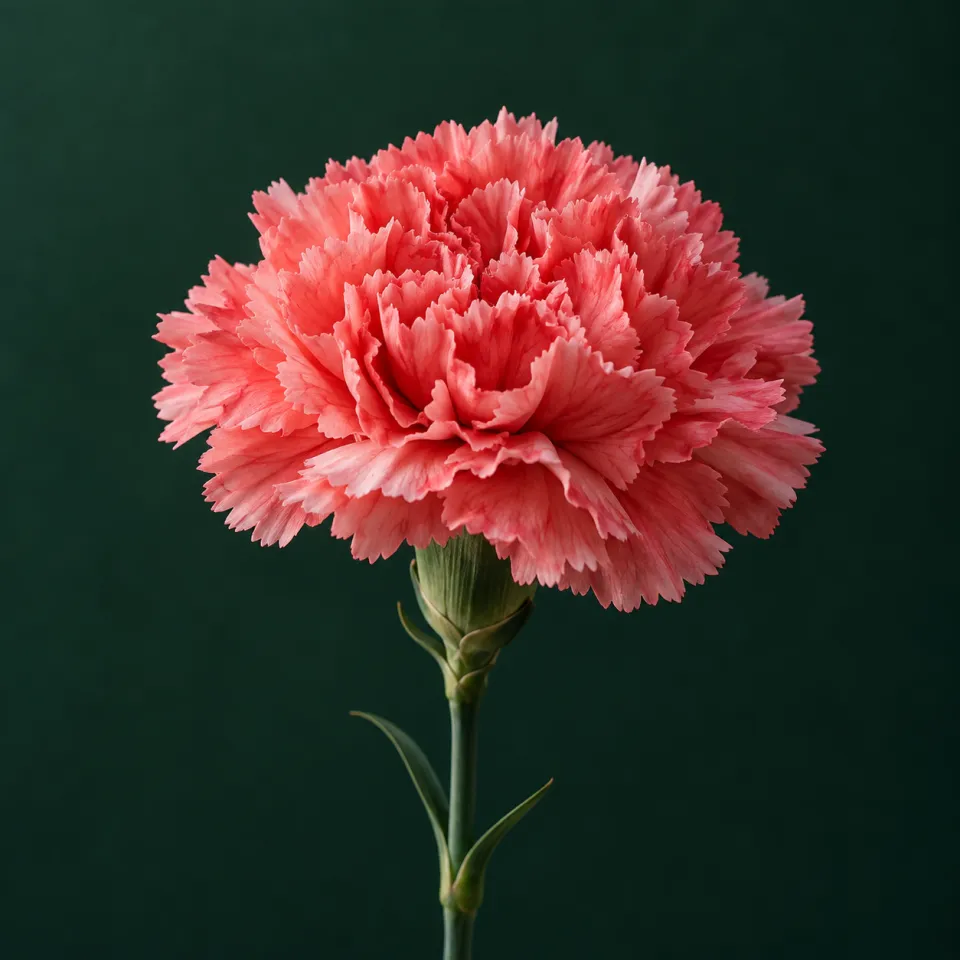
First identify the format
Ask whether the wrapping contains a water reserve and how to remove it. For a ready-made arrangement, request instructions for its support instead of automatically converting it into a bouquet. Keep the care card with the flower names: this helps you look up a particular requirement without guessing the species from a photograph.
On arrival: vase, leaves and a fresh cut
Iowa State advises washing the vase, removing leaves below the waterline and recutting stem bases with a sharp tool. Put them promptly into water. Use commercial flower food at the packet’s stated dilution; adding extra is not a substitute for following the label. The university advises against household remedies such as aspirin or coins.
A water and placement routine
Check the water level daily. Iowa State recommends replacing cloudy or unpleasant-smelling water. The RHS advises changing water and trimming stem bases every two to four days, removing declining flowers and keeping the vase cool, away from radiators and ripe fruit. Adapt this routine to the instructions supplied with your particular bouquet.
What to ask when one flower starts declining
Note when the bouquet arrived, whether it has had water and which stems changed. Those details and a photograph help the florist more than saying “the bouquet has gone bad”. Do not apply heat, hammering or special treatments to every stem in a mixed bouquet: first check the species and whether that procedure is appropriate. This guide cannot diagnose the cause or guarantee recovery.
A small routine you can keep
When placing the bouquet, keep its food packet or care card and make the container easy to inspect. Link that check to an everyday moment, such as preparing breakfast. If a flower is unfamiliar, ask for its name before seeking specific care instructions. A catalogue photograph illustrates its appearance; it cannot reliably identify every component of a mixed gift.
Which flowers to choose
Flower pairings are suggestions from Agenda Floral. Documented customs are explained separately; no occasion requires one particular flower.
Carnation
Consider carnations for a thank-you gift, a birthday, Mother’s Day or an All Saints’ Day tribute. These are Agenda Floral suggestions, not exclusive uses or rules about colour. Start with the destination and recipient; if there are cats or dogs, discuss another suitable choice for that household.
Gerbera
We suggest gerberas for birthdays, thank-you gifts or Mother’s Day when you want to highlight the recipient’s favourite colour. First choose between cut flowers and a potted plant, then agree size and delivery. There is no compulsory flower count or colour: the format should be convenient for the person receiving it.
Alstroemeria
Alstroemerias can suit birthdays, thank-you gestures or Mother’s Day, alone or in a mixed bouquet. Our suggestion draws on their clustered flowers and patterned petals. The RHS describes them as long-lasting cut flowers, but this does not guarantee a particular bouquet’s vase life. Choose for taste, presentation and care rather than a universal symbolic message.
Guides to help with your decision

When to give red roses
When to give red roses for Valentine’s Day, anniversaries and Sant Jordi. Choose a single stem or bouquet, explain your intent and care for cut roses.
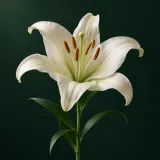
When to give lilies
When to choose lilies for a tribute or gift: size, scent, pollen and botanical names. Why Lilium should be avoided in homes with cats.
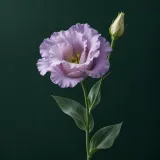
When to give lisianthus
Giving lisianthus: differences from roses and peonies, anniversary bouquets, colour choices and substitutions when ordering.
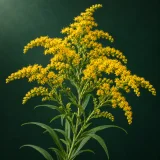
When to give goldenrod and how to combine it
Goldenrod for graduation, retirement and autumn bouquets: its role in an arrangement, what to ask your florist and first steps for cut stems.
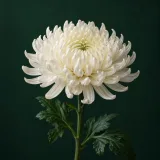
Which flowers to choose for All Saints’ Day
Flowers for Spain’s All Saints’ Day on 1 November: chrysanthemums and alternatives, bouquets or arrangements, sizing, ordering and care.
Which flowers to bring to València’s Fallas offering
The Fallas offering on 17 and 18 March: carnations, commission instructions and ordering advice, separate from the May celebration.
When to give flowers and how to choose them
Choose flowers by occasion, preferences and context: Spain’s calendar, editorial suggestions and documented sources.
Which flowers to give for a birthday
Choose birthday flowers by preferences, size and delivery: dahlias, gerberas, anemones and tulips are starting points.
Which flowers to give for an anniversary
Roses and alternatives for an anniversary: choose flowers connected to your shared history, without rules for each year.
Should you give a bouquet or a potted plant?
Compare bouquets and plants by preferences, space, care commitments and delivery plans.
Fresh or dried flowers: choosing a gift
Compare fresh and dried floral gifts, questions to ask when ordering and plans for keeping part of a bouquet.
How to transport a bouquet as a gift
Plan the journey, protect the arrangement and coordinate delivery without relying on a universal time limit.
Flowers for a new home or business opening
Choose flowers or a plant for a housewarming or business opening: consider space, delivery, care and a welcoming card.
Which flowers to give in autumn and winter
Bouquet and plant ideas for autumn and winter gifts: choose for the occasion, plan delivery and consider indoor care.
How we create the Agenda Floral guides
Learn about our sources, the difference between customs and suggestions, our illustrative images and how to report a correction.
Frequently asked questions
Does this also apply to rooted plants?
No. A potted plant needs care suited to its species and growing medium. This article concerns cut stems; follow the plant’s label.
Will every flower in a bouquet last equally long?
We cannot promise one lifespan for a mixed bouquet. Ask about the particular species and opening stage supplied.
Is a bouquet with every bud closed better?
Not necessarily. The RHS notes that some flowers, including roses and dahlias, may fail to open when cut in tight bud. Ask which opening stage suits the bouquet’s species and the day you want to display it.
What should I do with an arrangement on a support?
Ask for that arrangement’s instructions: where to add water, how much and how often. Do not assume it should be dismantled or maintained like loose stems in a vase.
Sources and what they support
- Iowa State University Extension · Cuidados de flor cortada
Recommends a clean vase, no submerged leaves, a fresh cut and commercial flower food used as directed. Advises against household mixtures.
- RHS · Acondicionamiento de flor cortada
The RHS guides water changes and trimming every two to four days, placement and removal of declining flowers. Some tightly closed buds may fail to open.
How we put these guides together
We check dates and customs against institutional sources, and botanical information against horticultural sources. Gift suggestions consider a flower’s appearance and the recipient’s taste. Commercial references document an offer, not popularity or a tradition. This initial catalogue is a growing editorial selection, not a list of every species.
Spotted something we should review? Contact Agenda Floral.