Guides
Should you give a bouquet or a potted plant?
Choose a bouquet for flowers to place in a vase and a plant when there is a suitable spot for that species. The bouquet needs water and care for a while. A pot becomes part of the household routine. Start with the space and care that fit, then choose their favourite flowers.
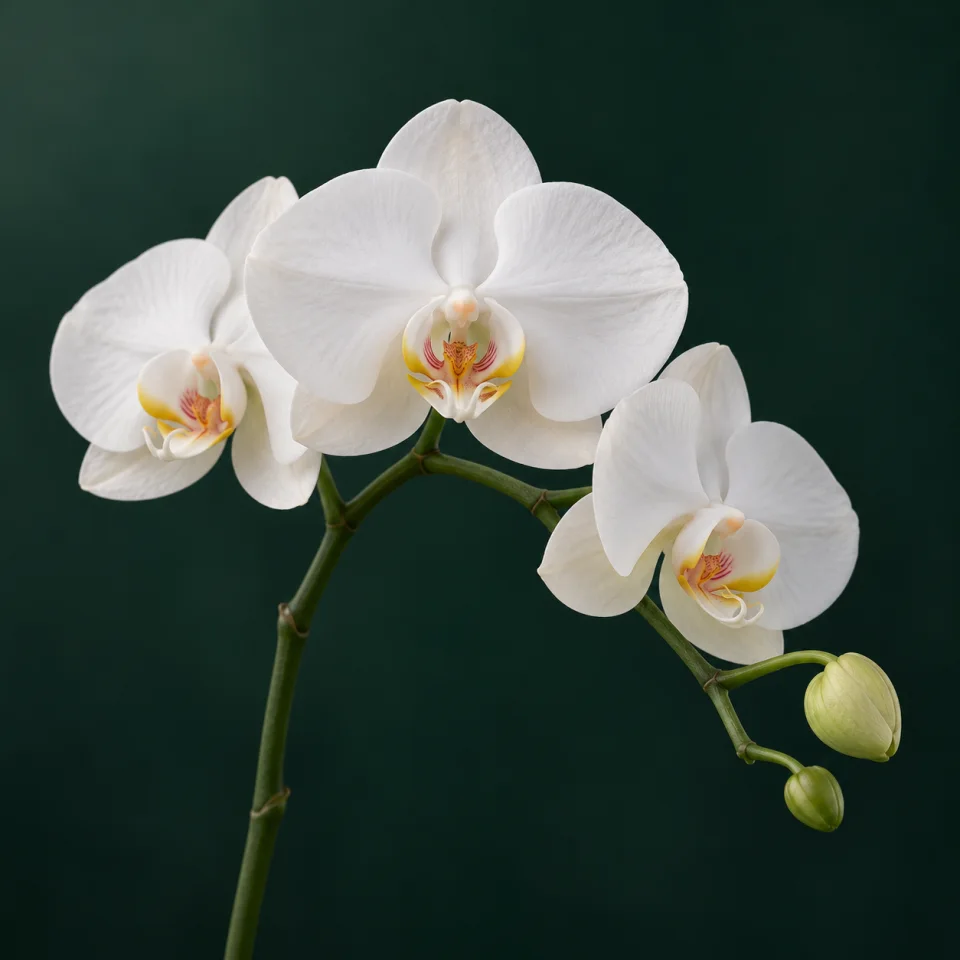
Their taste and routine help you choose
Choose a bouquet for flowers to enjoy in a vase. Include the container if you want it to arrive ready to display. A plant is a better fit when you have a suitable spot in mind and know the recipient enjoys caring for plants.
If you do not know their routine, a small bouquet with a vase is a simple starting point. Make it personal with the color or card. If they have a trip planned, arrange delivery for their return so they can enjoy it at home.
Look at the spot where the plant will live
Ask whether it will be indoors or outdoors and how much space is available. For indoor plants, light, temperature and humidity matter. These conditions differ between rooms. An empty shelf does not guarantee enough light.
Describe the spot to the nursery and say whether it receives direct sun. A photo helps explain the space but does not replace that information. Ask for the dimensions of the whole plant with its container. That lets you check height and width before choosing a specimen.
Phalaenopsis and kalanchoe need different care
When comparing these options ask how to check the growing medium. Phalaenopsis needs light with little or no direct sun and watering when its medium is nearly dry. It must not dry completely or have water left in the centre of the leaves.
Kalanchoe blossfeldiana needs bright indirect light and soil that dries between waterings. A note saying “water on Mondays” therefore does not explain care for both plants. Ask for instructions for the species and specimen you are giving.
Check how water leaves the growing pot and whether it can be removed from its decorative cover. Ask how to empty excess water. Include the plant’s name and written instructions so the recipient need not guess what it needs.
A prepared bouquet still needs care
If the recipient has no vase order flowers with one. Ask for the dimensions of the whole arrangement and how it will be prepared on arrival. A stable container makes it easier to place without finding another base immediately.
The water and flowers will still need checking afterwards. Use clean vases and keep them away from heat sources. Ask the florist for care instructions for the arrangement being prepared. Our bouquet care guide explains the steps without making delivery a lengthy lesson.
If there are cats or dogs at home
I would not choose kalanchoe as a default gift for a home with cats or dogs. It is toxic to cats and dogs. Phalaenopsis is listed as non-toxic to those pets but you still need to identify the plant and check any accompanying foliage or decoration.
The same care in choosing applies to a bouquet. Switching from a pot to cut flowers does not establish safety for an entire arrangement. Explain which pets live there and consult our guide before confirming the order. A commercial name such as “orchid” or “natural flowers” is not enough.
Two examples to make the order specific
Imagine a birthday and someone returning from a trip on Monday. If they prefer cut flowers order a bouquet for their return with a container and agreed delivery. You could write: “I would like a compact bouquet in soft colours with a vase so they can put it in place on arrival. What can you prepare within my budget including delivery?”
For someone who wants a plant change the brief. Explain where it will live and request options with their care needs. For example: “They have a bright spot with no direct sun and would like to care for a flowering plant. I need to know its size with the pot and how to check when it needs watering.” Add the actual home conditions and total budget before comparing species.
Before choosing a rose in a pot
The pot alone does not tell you how a rose was grown. It may hold a plant lifted bare-root and then placed in compost, or one that has already grown and developed roots in its container. When comparing two offers, check which format is being sold and what care it will need before planting. Pot volume does not resolve that difference.
Meilland Richardier’s motte reconstituée is another format: the roots of a rose lifted bare-root are trimmed and surrounded with moist growing medium held in plastic film. That root package is prepared for shipping; it does not show that the plant grew in a container. Pass on the instructions for that format with the gift. Plastic film and biodegradable netting may need different handling at planting.
France: a rose bush for Sainte-Catherine
In France, Sainte-Catherine is celebrated on 25 November and is associated with the planting season. If you want to give a rose bush to someone who enjoys gardening, you can use it as an occasion to prepare that project. The handover and planting dates may differ: the condition of the ground and the weather matter more than planting on that exact day.
Choose the variety for the place where it will grow and its mature size, not just the colour in a photograph. A garden rose bush needs a sunny, airy position and well-drained soil. For a terrace, ask for a variety and container suited to that space; a presentation pot does not determine how the plant will grow later.
A bare-root rose bush arrives without soil or a pot and may have no leaves while dormant. It is a gift to plant, rather than a bouquet of open flowers. Arrange the handover so it can be looked after promptly, and keep the label and instructions for receiving the plant. If the ground is frozen or waterlogged, wait before planting and follow the nursery’s advice for keeping that particular plant in the meantime.
Read the arrival instructions before removing the protection around the roots. Meilland Richardier allows a short wait in the closed parcel in a cool room for its bare-root roses. That option depends on its packaging and the time limit specified for that shipment. Pass on the label and instructions too, so the recipient knows how to keep the gift.
If the plant needs to come out of its packaging and you cannot plant it yet, cover the roots with slightly moist peat-free potting compost in a container. Check that they do not dry out while you wait. This is temporary storage; move it to its final position when the ground allows planting.
Where there is workable ground, another option is temporary heeling in, or mise en jauge: dig a small trench and cover the roots and the lower two-thirds of the stems with fine soil. This holds the plant before final planting. If the ground is frozen or waterlogged, do not force this step; arrange temporary container storage or postpone handing over the gift.
You could ask: “I’m looking for a rose bush for this sunny corner of the garden. This is the space available, and we will give it at the weekend. Will it arrive bare-root, with a prepared root package or already rooted in a pot, and how should we keep it until planting?” If you want the gift to bring flowers that same day, choose a bouquet or compare the actual condition of a flowering plant. A spring photograph of a variety does not guarantee that appearance in November.
Which flowers to choose
Compare flowers to choose the format, colours and care that suit the occasion.
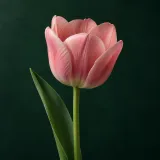
Tulip
Tulips can suit a birthday, an anniversary or Valentine’s Day if the recipient likes them. For flowers ready on the day, choose a bouquet for a vase or tulips already flowering in a pot that they can keep caring for. Bulbs to plant are a growing project for someone who wants to watch them develop and wait for the flowers.
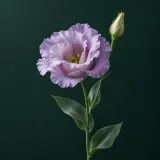
Lisianthus
Lisianthus can suit an anniversary, Valentine’s Day or a thank-you if you like soft-looking bouquets. For a gift today, choose by the fullness of the flowers already open, without relying on every bud opening in time. It is also called eustoma and is a different plant from roses and peonies.
Phalaenopsis orchid
A phalaenopsis can make an anniversary or new-home gift when the recipient wants a plant to care for. It can also accompany a thank-you. Check that there is a suitable bright position and room for the pot and flower spikes. If they prefer flowers without ongoing plant care, choose a bouquet.
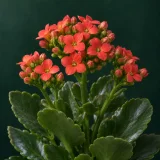
Florist kalanchoe
Kalanchoe can suit a birthday or thank-you if the recipient wants to care for a flowering plant and has a bright position. Ask for Kalanchoe blossfeldiana and confirm colour, flower form and size with its pot. Before choosing it consider ingestion toxicity around children and pets. If you do not know the conditions in the home ask first or choose another gift. Keeping the plant does not guarantee constant flowers.
Guides to help with your decision
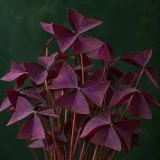
Giving Oxalis triangularis: watering and dormancy
A plant to give for its purple triangular leaves. It may lose foliage during dormancy; adjust watering to its growth. Toxic to cats and dogs if ingested.
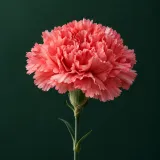
How to care for a bouquet when it arrives
Bouquet care on arrival: water, stem cutting, flower food and mixed flowers. What to check if it looks limp and how to keep the flowers still doing well.
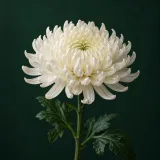
Which flowers to give in autumn and winter
Bouquets and plants for autumn, winter, Erntedank and Advent visits in Germany. Choose the format and plan the handover for the celebration.

Which flowers to give to someone with cats or dogs
Flowers for a home with cats or dogs: options to consider, checking the whole bouquet and precautions with lilies, holly and mistletoe at Christmas.
How to order flowers from a distance and plan delivery
Send flowers from a distance: format, date, address and handover, including a group gift. Examples and practical advice for different countries.
Flowers to take when visiting your grandmother or an older person
Ideas for a visit: carnations, roses, gerberas and flowering plants. Compare vase life, care and modest or premium gift budgets.
Frequently asked questions
Is a plant always a longer-lasting gift?
Lifespan depends on the species and the conditions where it is kept. It will not necessarily remain in flower either. Choose a plant if the recipient wants to care for it. A bouquet can still have meaning even if it is enjoyed for less time.
What if I do not know whether they prefer a bouquet or a plant?
You could start with a compact bouquet, a container and a card. For a plant, start with a particular spot in their home and choose a species whose care fits their routine.
Can I give one watering schedule for phalaenopsis and kalanchoe?
No. Phalaenopsis must not dry completely and Kalanchoe blossfeldiana needs drying between waterings. Ask to be shown how to check each growing medium rather than setting the same watering day for both.
Can I give a plant in a decorative pot cover?
Yes, if the arrangement allows access to the growing pot and management of excess water. Ask how to remove it and empty the cover. A decorative container alone does not explain how to care for the plant.
Is it better to deliver the gift at home or at work?
Choose somewhere they can receive and place it comfortably. Before sending it to work confirm deliveries are accepted and consider how they will take it home. The gift need not arrive during work if another time suits them better.
Sources and what they support
- RHS · Elegir plantas de interior
Choice depends on the location’s light, temperature and humidity. Conditions differ between rooms. Does not establish that a species suits every home.
- RHS · Cut flowers: cutting and conditioning
Recommends clean vases, checking water and keeping cut flowers away from heat. Does not guarantee a particular lifespan for the gift.
- American Orchid Society · Phalaenopsis culture sheet
For phalaenopsis it describes light with little or no direct sun and watering when the medium is nearly dry, without letting it dry completely or leaving water in the crown. Does not set one schedule for every home.
- NC State Extension · Kalanchoe blossfeldiana
For Kalanchoe blossfeldiana it specifies bright indirect light, a well-drained mix and drying between waterings. These instructions are not interchangeable with phalaenopsis care.
- ASPCA Poison Control · Kalanchoe
Lists Kalanchoe spp. as toxic to cats and dogs. Avoiding it as a default gift is this guide’s editorial recommendation.
- ASPCA Poison Control · Phalaenopsis Orchid
Lists Phalaenopsis as non-toxic to cats and dogs. Does not assess other genera, foliage, decorations or a complete arrangement.
- ONF · Les dessous d’une plantation pour la Sainte Catherine
Links 25 November with the traditional reference to planting; covers forestry work, not giving rose bushes as gifts.
- Centre National de Pomologie · Plantations et jardin, 23/10/2024
Explains the saying and adaptation to the climate; does not establish a universal planting day.
- Société Française des Roses · Planter son rosier
Exposure, drainage and planting when the ground is neither frozen nor waterlogged; varieties and location shape the choice. Also describes heeling in: a temporary trench covering roots and part of the stems with fine soil. No universal storage or establishment guarantee.
- Meilland Richardier · Guide conseils, recepción y rosales, pp. 3–9
Describes its bare-root plants, their appearance during dormancy and receipt according to format. Its instructions are not a current offer or a general guarantee.
- Meilland Richardier · FAQ, réception
Allows a wait in a closed parcel in a cool room for its bare-root shipments, depending on format. Its time limit is not a universal storage period.
- RHS · Roses: planting
For unsuitable ground, provides for bare-root roses in a container of slightly moist peat-free compost. Care guidance is used, not the UK sales calendar. Also distinguishes bare-root roses placed in pots from container-grown roses; prices and quality guarantees are not adopted.
- Société Française des Roses · Conditionnements du rosier
Distinguishes roses presented in pots, grown in them and supplied with prepared root packages. Describes biodegradable netting or paper for some packages; no single treatment applies to all wrapping.
- Meilland Richardier · Conditionnements des rosiers
Its motte reconstituée wraps trimmed roots in moist growing medium and plastic film. Also describes roses grown and rooted in pots. Definitions of its formats, without stock, flowering or storage promises.
How we put these guides together
We review dates, care and recommendations to help you plan each gift.
Spotted something we should review? Contact Agenda Floral.