Flowers
When to give florist kalanchoe
Kalanchoe can suit a birthday or thank-you if the recipient wants to care for a flowering plant and has a bright position. Ask for Kalanchoe blossfeldiana and confirm colour, flower form and size with its pot. Before choosing it consider ingestion toxicity around children and pets. If you do not know the conditions in the home ask first or choose another gift. Keeping the plant does not guarantee constant flowers.
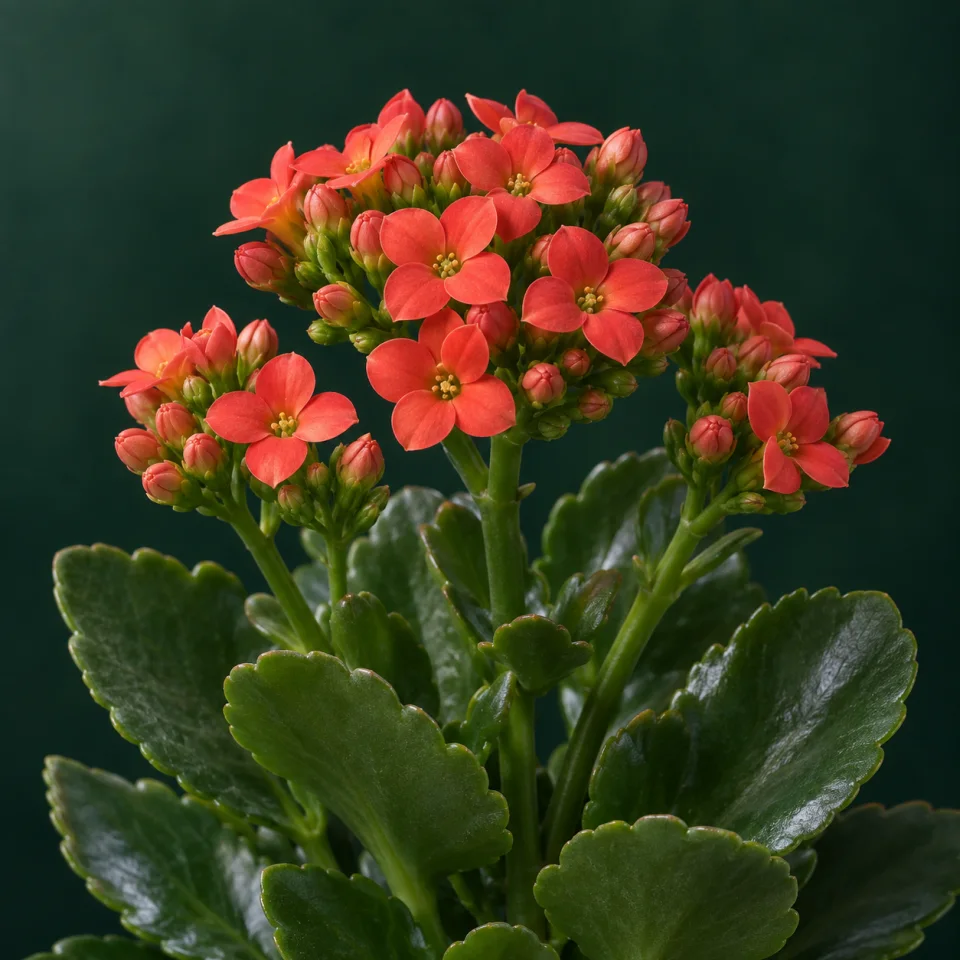
Botanical reference: Kalanchoe blossfeldiana
Choose flower form and gift size
Kalanchoe blossfeldiana has fleshy leaves and clustered flowers. There are single and double-flowered varieties. This guide’s illustration shows single coral flowers with four lobes. If you like that appearance ask to see it in the plant being ordered. The species name does not ensure the same form or colour.
Ask for a photo of the whole gift and dimensions including the pot. A wide cover can take up more space than the foliage. Check that the growing pot has drainage and can be removed from its decorative cover for watering. The recipient can then inspect the bottom without taking apart an arrangement that is difficult to handle. Check its stability too: the fleshy leaves can make the plant top-heavy.
A thank-you for someone who enjoys plants
To thank someone who already cares for houseplants you could ask for a kalanchoe in a colour they like with a simple cover. Agree on a flowering plant if you want the colour to show at handover. Add its name and care instructions on a card separate from your personal note. The gift will have a place in mind and the recipient will know what to check afterwards.
Confirm available space first and whether young children or animals could reach the plant. A book on a subject they enjoy with your personal note could be an alternative without plants. If choosing another species check its care and precautions rather than deciding just by its resemblance.
Plan the light and water according to the soil
Indoors it needs bright filtered light. Prolonged direct sun can scorch the leaves: if the window gets strong sun for hours, plan how to filter it without moving the plant into a dark corner. Describe the window and intended position to the nursery rather than simply asking for a plant for a room. Ask for advice for that location and particular container.
Let the soil dry between waterings because excess water can cause rot. Check the soil before watering rather than fixing one day of the week for every setting. Use free-draining compost and let excess water drain before returning the pot to its cover. For transport secure the container in a stable box and protect the flowers without squeezing them.
Encouraging another round of flowers
Remove the flowers when they fade and keep the plant if you want to continue caring for it. Kalanchoe blossfeldiana can flower again, although healthy leaves alone are not enough to produce new flower buds.
One home routine for initiating flower buds is six weeks of nights with 14 consecutive hours of complete darkness. During the day it needs bright, filtered light. Room lights should not interrupt that night-time period.
For example, you could reserve 20:00 to 10:00 for darkness and return it to its bright position for the rest of the day. A room you do not use at night may make that routine easier. The aim is not to leave the plant permanently in a cupboard.
During this attempt, aim for moderate conditions, using about 16 °C at night and 21 °C during the day as a guide. Temperature also influences flower bud development. Keep good drainage and let the potting mix dry between waterings as in its usual care.
The six weeks refer to flower bud formation, not a promise of open flowers at the end of that period. For a flowering kalanchoe birthday gift, choose a plant already in bloom close to delivery. You can also keep your own without trying to schedule its next flowering.
Consider the home before buying
Kalanchoe blossfeldiana is toxic if ingested. The Kalanchoe genus is toxic to cats and dogs. If children or animals could chew it choose another gift. A high shelf does not remove its toxicity or ensure it will stay inaccessible.
When we suggest this flower
Compare flowers to choose the format, colours and care that suit the occasion.
Grandparents’ Day
Spain · Nationwide
An idea if they want to care for a plant and have a bright position. Include care instructions and check that it stays out of reach of children and pets.
Should you give a bouquet or a potted plant?
Choose a bouquet for flowers to place in a vase and a plant when there is a suitable spot for that species. The bouquet needs water and care for a while. A pot becomes part of the household routine. Start with the space and care that fit, then choose their favourite flowers.
Flowers to take when visiting your grandmother or an older person
For a visit, I would choose a small bouquet of their favourite flowers, already arranged in a vase that is easy to move. Carnations are a good option for longevity; roses may be more welcome if they are a favourite, though they usually last less time. For someone who enjoys plants, a kalanchoe or phalaenopsis can remain after flowering. Their taste and routine matter more than their age.
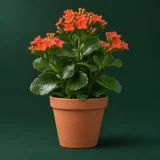
How to care for a kalanchoe in a pot
Kalanchoe needs plenty of brightness, a draining mix and drying between waterings. Check soil and weight before watering thoroughly and draining. Its fleshy leaves store water, so a full saucer can harm roots. You can keep it after flowering; new buds need long nights. It is toxic to dogs and cats and must stay out of reach.
Guides to help with your decision
Which flowers to give for a birthday
Compare dahlias, gerberas, anemones and tulips for a birthday. Choose size and format, then plan the budget, card and delivery at home or work.
Which flowers to give as a thank-you
Which flowers to give to thank a friend, colleague or professional. Ideas for the card, a group gift and an agreed handover.
How to transport a bouquet by car or plane
How to carry a bouquet, a potted plant or dried flowers without crushing them. Packing, water and checks for flights and bringing plants into your destination.
Flowers for a new home or business opening
Flowers for a new home or business opening. Choose bouquet or plant by space and care, agree on a container and plan a convenient delivery.

Which flowers to give to someone with cats or dogs
Flowers for a home with cats or dogs: options to consider, checking the whole bouquet and precautions with lilies, holly and mistletoe at Christmas.
Frequently asked questions
Will a larger plant have more flowers at handover?
Do not infer that from pot size. Ask for a current photo of the plant and confirm the open flowers and buds that will show on delivery. Dimensions help establish where it will fit but cannot replace checking its appearance.
Can I give it for a balcony in winter?
Check local conditions before choosing it. Kalanchoe blossfeldiana does not tolerate frost. A covered balcony does not guarantee a suitable temperature. Describe the position to the nursery and choose another gift if it is unsuitable.
What should I do if I suspect my pet has eaten kalanchoe?
Contact a veterinarian promptly. Provide the plant name and whatever information you have about the possible ingestion. Do not use this guide to decide on a safe dose or apply a home treatment.
Sources and what they support
- NC State Extension · Kalanchoe blossfeldiana
A succulent with single or double flowers, drying soil between waterings and flowering linked to light and dark periods. Does not tolerate frost and is toxic if ingested by people and pets. Does not guarantee duration or a repeat flowering date. Specifies bright indirect light and warns of leaf scorch from prolonged direct sun.
- RHS · Kalanchoe blossfeldiana
Indoor cultivation in bright filtered light and free-draining compost. Adjusts watering to growth or dormancy. Its image shows the Calandiva Series rather than defining every flower form in the species.
- ASPCA · Kalanchoe
Lists Kalanchoe spp. as toxic to cats and dogs. Recommends contacting a veterinarian promptly if ingestion is suspected. A genus-level toxicity reference rather than a safe dose or a placement guarantee.
- Illinois Extension · Kalanchoe blossfeldiana y capullos
Kalanchoe blossfeldiana section: six weeks of nights at least 14 hours long to initiate flowering, indirect light and about 16 °C at night/21 °C by day. Conditions for buds, not a guarantee of open flowers in six weeks, local stock or a retail calendar outside Illinois. Also warns that the fleshy leaves can make the plant top-heavy and unstable in its container.
How we put these guides together
We review dates, care and recommendations to help you plan each gift.
Spotted something we should review? Contact Agenda Floral.