Flowers
When to give a phalaenopsis orchid
A phalaenopsis can make an anniversary or new-home gift when the recipient wants a plant to care for. It can also accompany a thank-you. Check that there is a suitable bright position and room for the pot and flower spikes. If they prefer flowers without ongoing plant care, choose a bouquet.
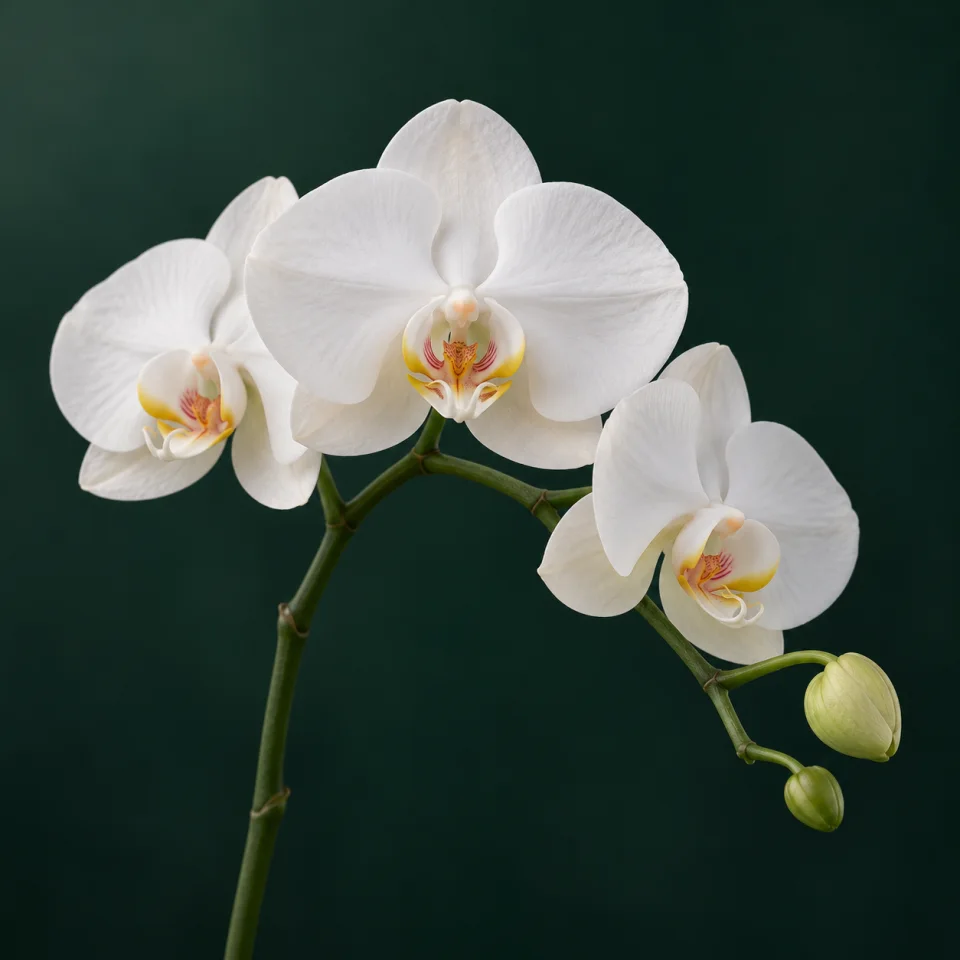
Botanical reference: Phalaenopsis
Choosing a potted plant
Phalaenopsis are epiphytic orchids and their hybrids are commonly grown in containers with a suitable root medium. Ask for instructions for the specimen you are giving rather than applying bouquet care. Check how to assess when it needs water. If you add a decorative outer pot, make sure the growing container’s drainage can still be managed.
Allow space for the whole gift
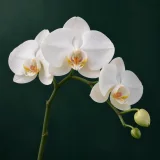
Measure the space for the whole plant rather than just the pot. Flower spikes may need height and width that a low shelf cannot offer. A compact specimen may fit better. Our picture shows white flowers. Ask about the available shade and whether artificial colouring was used. Explain the gift in a note without relying on colour meanings.
Where to place a gifted phalaenopsis
It needs a bright position with little or no direct sun. Before giving one, ask where it could go. An attractive corner does not always offer those conditions. If there is no suitable place, a bouquet may be easier.
Does it need watering once a week?
There is no fixed watering day that suits every home. Water thoroughly and repeat when the medium is nearly dry. Let the growing pot drain completely before returning it to the outer pot, and empty any water collected there or in the saucer. Avoid leaving water in the crown. Ask to be shown how to assess the medium and pass that guidance to the recipient.
What to include besides the plant
Include the plant’s name and the nursery’s instructions. If it has a decorative container, check how to empty surplus water and that it works with the growing pot. For transport, request a stable base and protection around the spikes. Carry it upright without other packages on top.
What to do with the spike after the flowers fall
The end of flowering does not mean your phalaenopsis has died. Keep healthy leaves and roots, maintain suitable light and continue checking the potting medium before watering. It still needs water after the flowers are gone.
If the spike that carried the flowers is completely dry and brown, cut it near the base without damaging leaves or roots. Use disinfected scissors. That dry spike will not bloom again, but the plant can produce another one.
A green spike can be left in place. On large-flowered hybrids, if the plant is strong, you can also trim it just above a healthy unused node below the previous flowers. Nodes are the small points along the spike from which a branch may grow. This may encourage another flush of flowers, though it is usually smaller and has no guaranteed date.
If the plant is small or weak, removing the spike at the base lets it focus on growth. Some phalaenopsis with star-shaped flowers keep blooming from the tips of short spikes: keep those spikes while they are green. If you cannot identify the type, you can leave a green spike untrimmed.
Keep the aerial roots too
Roots growing outside the pot are normal for a phalaenopsis. Healthy roots are firm and may look silvery when dry. Do not cut or bury them simply to make the plant look tidier. The old flower spike has nodes and marks where flowers grew; it is not a root.
If new growth appears and you cannot yet tell what it is, let it develop before tying or cutting it. You could include this note with the gift: “When the flowers fall, keep the plant and its roots. A green spike may still be alive; a completely dry one can be removed.” This helps explain that one flowering ending does not mean the gift is finished.
When repotting is needed
Do not decide from aerial roots alone. Check whether the bark has broken down and compacted, drains less freely or stays too wet. This deterioration may justify replacing the mix even if the plant still fits its pot. A change may also be needed when the roots no longer have room in the container.
When repotting is needed, choose a period of active growth with green root tips and handle them carefully. No single month suits every home. Flowers falling does not automatically mean repotting is due: the condition of the medium and roots matters. If there is rot, do not wait just for a particular season.
Choose a potting mix and container for phalaenopsis
Use an airy bark mix prepared for phalaenopsis. Garden soil and general-purpose potting compost are not substitutes. Choose a well-drained pot sized for the roots. A clear one makes it easier to check their condition and moisture inside; there is no need to move to a much larger container.
Gently remove the old material and keep firm, healthy roots. Remove clearly dead, soft or rotten roots with disinfected tools. Keep the plant at its previous level, fill the gaps with fresh mix to hold it steady and leave aerial roots outside. Do not bury the crown where the leaves emerge.
For example, if the bark has become a fine mass but the healthy roots still fit, you can reuse the clean pot with fresh mix. After repotting, water and allow it to drain fully. Check how the medium dries before watering again: the new mix may behave differently.
When we suggest this flower
Compare flowers to choose the format, colours and care that suit the occasion.
Mother’s Day
Spain · Nationwide
A potted idea if she wants to care for it and has somewhere to put it. It is our suggestion for the occasion.
Three Kings’ Day
Spain · Nationwide
For someone who wants to care for a potted orchid and has a suitable position. Confirm care needs and how it will reach their home.
Mother’s Day
Peru · Nationwide
Orchids are also among the most sought after. In a pot they last for weeks and need no vase, so they suit someone who prefers a plant.
Should you give a bouquet or a potted plant?
Choose a bouquet for flowers to place in a vase and a plant when there is a suitable spot for that species. The bouquet needs water and care for a while. A pot becomes part of the household routine. Start with the space and care that fit, then choose their favourite flowers.
Which flowers to give for retirement
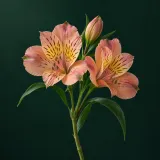
For retirement I would choose a bouquet around their taste and how they will carry it home after the farewell. Compare alstroemerias, gerberas or carnations and add a specific shared memory to the card. Before giving a plant ask whether they want to care for one. Argentina’s Día del Jubilado is on 20 September and is separate from the date when each person stops working.
Flowers for a new home or business opening
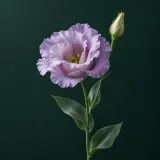
For a new home, I would choose a bouquet with a vase if you do not yet know the light or location for a plant. Ask for lisianthus in their favourite colour and agree a size for the table. For a plant, first check its position and discuss conditions with the nursery. For a business opening, confirm space and the person receiving the gift before ordering.
Which flowers to give to someone with cats or dogs
Before giving flowers ask whether there are cats or dogs at home. Consider gerberas, roses or a Phalaenopsis orchid after confirming their identity and checking everything included in the gift. Those options are considered non-toxic to both animals. That does not mean eating them cannot cause upset. For a home with cats avoid Lilium and Hemerocallis lilies, including in mixed bouquets.
Montecarlo Orchid Festival: choosing a plant to give as a gift
To give an orchid bought at Montecarlo’s festival, choose a plant that suits the recipient’s home. Ask for its name and check the specimen with the seller before deciding by flower colour. It also helps to know whether the recipient wants flowers on arrival or would rather grow a young plant. That conversation can help more than choosing only by how striking a plant looks in the exhibition.
Flowers to take when visiting your grandmother or an older person
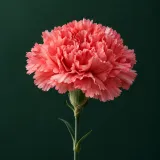
For a visit, I would choose a small bouquet of their favourite flowers, already arranged in a vase that is easy to move. Carnations are a good option for longevity; roses may be more welcome if they are a favourite, though they usually last less time. For someone who enjoys plants, a kalanchoe or phalaenopsis can remain after flowering. Their taste and routine matter more than their age.
How to care for a Phalaenopsis orchid indoors
A Phalaenopsis needs a bright spot without strong sun, air around its roots and water that drains away. Water trapped in the decorative outer pot is a common source of trouble. Before adding more, check the bark, pot weight and roots. This guide covers common Phalaenopsis hybrids, not every orchid.
Lunar New Year flowers: plants, bouquets and delivery
Lunar New Year 2027 falls on Saturday 6 February, and in Korea Seollal is on Sunday 7. As a gift I would choose a plant that outlasts the celebration: a three-stalk lucky bamboo or a Phalaenopsis orchid. If you are going to the New Year’s Eve dinner on Friday 5, a bouquet in red and gold tones is a good alternative.
Guides to help with your decision
When to give cymbidium orchids
How to choose a cymbidium orchid gift. Cut spike or potted plant, open flowers, delivery and care for each format.
Which flowers to give as a thank-you
Which flowers to give to thank a friend, colleague or professional. Ideas for the card, a group gift and an agreed handover.
Natural or dyed blue flowers: what to choose for a bouquet
Compare blue flowers without dye for bouquets or pots. Cornflowers, delphinium and other options, dyed roses and orchids, and a practical ordering example.
Frequently asked questions
Is this the same orchid as cymbidium?
No. They are different genera. For a bouquet, ask about cut orchids. For potted phalaenopsis, include care instructions with the gift.
Is it a good choice for someone who travels often?
Ask whether they want a plant and how they will care for it while travelling. If that is a burden, you can give a bouquet when they return.
Can I give a fixed watering interval as instructions?
It is more useful to explain how to assess the medium. The environment and container affect its needs, so a fixed interval may not suit it.
Should I buy the plant with the most spikes?
There is no need. Consider the plant’s condition and whether it fits its space. The recipient’s preferences and available room matter more than spike count.
Does replacing the mix mean using a bigger pot?
Not always. If the medium has broken down and healthy roots still fit, you can reuse the clean container with fresh mix. Size the pot for the roots; a few aerial roots outside it do not by themselves call for a larger one.
Sources and what they support
- NC State Extension · Phalaenopsis
A genus of epiphytic orchids grown as houseplants, with flowers carried on arching stems.
- American Orchid Society · Phalaenopsis culture sheet
Light and watering according to the growing medium, avoiding water in the crown; not a universal watering schedule. Also requires porous medium and discusses repotting while preserving roots; its particular wicking setup is not universal watering guidance.
- American Orchid Society · Poda según el tipo de phalaenopsis
Optional pruning above an unused node on large, strong phalaenopsis; secondary flowering may be smaller. Star-flowered types with short spikes can rebloom from the tip and retain green spikes. The same pruning does not apply to every genus or hybrid.
- RHS · Phalaenopsis después de florecer y raíces aéreas
Remove a completely dry spike at the base. Aerial roots are normal and should not be cut or buried for appearance; healthy roots are firm and silvery. Phalaenopsis-specific care, without applying British timings or seasons worldwide. Repotting: airy bark, a suitably sized draining pot, replacement of degraded medium and no burying aerial roots. Trimming healthy roots to 12 cm is not copied as a universal instruction.
- Chicago Botanic Garden · Phalaenopsis tras la floración
Distinguishes small and large plants and removal of browning spikes. Compares pruning options; the timings described do not guarantee flowers at home for a gift date.
- Chicago Botanic Garden · Herramientas para retirar varas
Recommends disinfected pruning tools for removing a spike. A general precaution; dormancy, pseudobulb or temperature guidance for other orchids is not transferred to Phalaenopsis.
- American Orchid Society · Cuándo cambiar el medio / When to repot
Distinguishes broken-down medium from lack of space; the same container may suit the first case. General guide: division of other orchids is not transferred to Phalaenopsis.
- University of Maryland Extension · Phalaenopsis: sustrato y trasplante / Repotting
Updated 13 March 2023: broken-down bark, poor drainage and excessive wetness as clues; new growth for repotting, commercial bark and drainage. No interval or weekly watering rule for every home.
- American Orchid Society · Momento y recipiente / Repotting timing and container
Repot with new roots, good drainage and medium suited to conditions/watering. Repotting in bloom can shorten flowering. No requirement to repot every purchase within two weeks is copied.
How we put these guides together
We review dates, care and recommendations to help you plan each gift.
Spotted something we should review? Contact Agenda Floral.