Guides
Natural or dyed blue flowers: what to choose for a bouquet
For a blue bouquet without dye, I would choose cornflowers for small blooms, delphinium for height, sea holly for texture or a blue hydrangea for volume. Grape hyacinths are an option for a small pot. A real flower can still be dyed: establish its species, shade and any added colour before choosing it.
Choices for different effects
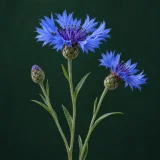
Cornflowers, Centaurea cyanus, offer small naturally blue flower heads. I would choose them for a loose, light bouquet, combined with white to bring out the colour. Compared with sea holly, they have a ring of outward-flaring florets rather than its outline of bracts.
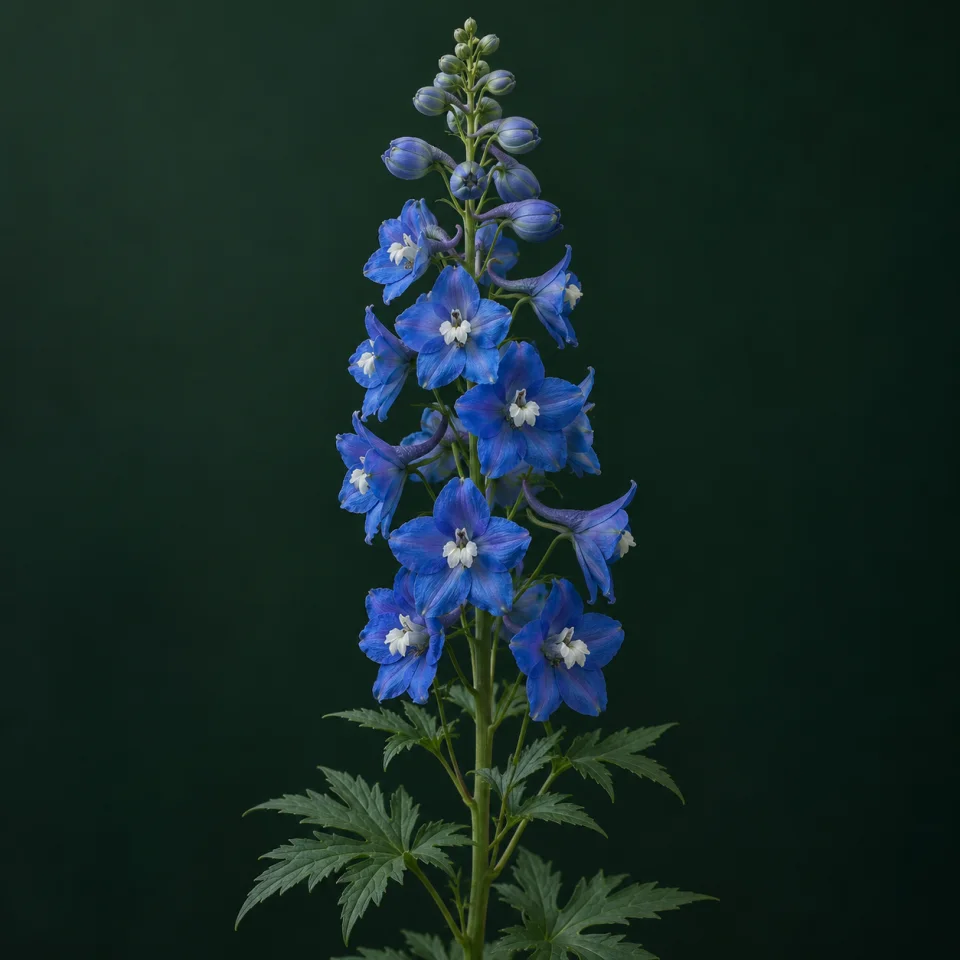
Delphinium elatum produces blue flowers, with cultivars ranging from pale blue to violet-blue. Its flower spikes suit a vertical arrangement. Ask for the finished height including the vase so it fits its destination. It is toxic if eaten, so I would choose something else if children or pets can reach it.
Eryngium planum, or sea holly, adds small steel-blue flower heads surrounded by distinctive bracts. I would use it among other flowers for texture rather than as one large blue bloom. Check that the shade and finish of the stems offered suit the arrangement.
A blue hydrangea with rounded flower heads adds volume to an arrangement. It can be the focal point of a compact bouquet, but a few stems do not necessarily make a small gift. Choose flowers that already have the blue you want and agree the finished width.
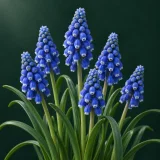
Muscari armeniacum has clustered violet-blue flowers. I would suggest a pot for a smaller gift to someone who wants to care for a plant. Check that a flowering pot can be supplied for your date; garden flowering times do not establish year-round shop availability.
A real flower and colour without additives are different things
A dyed rose is still a real flower. If you want blue produced by the plant itself, ask specifically for flowers without dye or paint. A species or cultivar name and details of colour treatment tell you more than the word “natural” alone.
The format matters too: fresh, dried or preserved. Those words describe the condition or treatment of the material and do not guarantee colour without additives. If you want to keep some stems, compare their finish and care in the fresh, dried or preserved flowers guide.
Blue roses: establish what is being offered
White roses can be dyed blue by taking up floral colourant through their stems. The appearance of an intensely blue rose does not establish how its colour was achieved. Ask for the treatment and the specific product if that determines your choice.
Roses have also been genetically modified to produce bluish shades, with violet-blue results among recent research developments. This does not mean you can order any electric-blue rose at your florist. For a bouquet without dye, I would prioritise the blue flowers in the first section over insisting on roses.
Blue phalaenopsis: what another flowering may look like
In phalaenopsis dyed through the flower spike, the next flowering returns to the plant’s original colour. If a white plant was used, its new flowers will be white if it blooms again. Buds already present during treatment may still open with dye in a lighter shade.
Not every blue phalaenopsis is dyed: Blue Gene is a genetically modified development marketed in Japan. Its existence does not establish that origin for any blue orchid in a shop. For a potted gift, ask for the name and the colour to expect from later flowerings of that plant.
A blue hydrangea does not have to be dyed
Some Hydrangea macrophylla and H. serrata cultivars develop blue shades through aluminium available during cultivation; soil pH also influences its availability. Species and cultivar matter: acidifying the growing medium does not turn every white hydrangea blue.
That change concerns a growing plant, not a recipe for recolouring a cut bouquet. Choose stems that already have the shade you like. Do not add acids or hydrangea blueing products to vase water; follow the bouquet’s cut-flower care instructions.
An order that makes the priority clear
You could write: “I am looking for a blue-and-white bouquet for a small table, without dye or paint. I like delphinium spikes and sea holly accents. What flowers and shade can you prepare for that date?” Include the vase measurements to help set the size.
If you prefer a dyed rose or orchid for its finish, ask about its treatment and care. It is a different choice of appearance. Keep that information with the gift, especially if the recipient wants to keep a plant and expects it to flower in the same colour again.
Which flowers to choose
Compare flowers to choose the format, colours and care that suit the occasion.
Hydrangea
For a birthday or a thank-you, I would choose a hydrangea bouquet if the recipient likes flowers with volume. Agree on the finished width and the vase, as even a few stems can take up plenty of space. A plant suits someone who wants to care for it and has room for its mature size, with light shade and good drainage. Hydrangeas can also accompany an All Saints’ tribute if they remind you of that person.
Delphinium
You can give delphiniums for a birthday or suggest them for a wedding when you want flowers that add height. Before ordering confirm the cultivar, shade and finished height including the container. Ask for an arrangement that looks as you need it to on the day and agree on transport. Where children or animals could reach it consider another flower because Delphinium elatum is toxic if eaten.
Sea holly
Sea holly can suit a thank-you or Father’s Day when the recipient enjoys bouquets with strong textures. Its blue heads contrast with broad-petalled flowers. Before ordering, decide whether you want fresh or dried stems and where the gift will go. Fresh Eryngium planum flowers can have a faint manure-like smell. If smell matters to the recipient, ask to assess the actual stems.
Grape hyacinth
A pot of grape hyacinth can make a visiting gift or a thank-you if the recipient wants to keep caring for the bulbs. Plan a spot in sun or partial shade with good drainage. After flowering, keep the leaves until they yellow and dry naturally: they are still feeding the bulb. A pot prepared to flower indoors is not guaranteed to bloom again the following spring.
Cornflower
For a relaxed blue bouquet, I would choose cornflowers on their own or with white flowers to bring out the colour. Centaurea cyanus has small flower heads and is suitable for cutting. You can also set a few stems aside to dry if you want to keep part of the gift.
Guides to help with your decision
When to give red roses
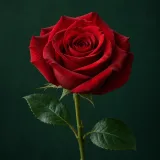
Red roses for an anniversary, Valentine’s Day or Sant Jordi: size, opening stage and vase care. What to check if the heads arrive drooping.
When to give a phalaenopsis orchid
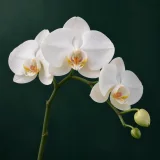
Phalaenopsis to give and care for: light, watering, spikes and aerial roots. When to repot, which mix to use and how to choose a pot.
How to care for a bouquet when it arrives
Bouquet care on arrival: water, stem cutting, flower food and mixed flowers. What to check if it looks limp and how to keep the flowers still doing well.
Fresh, dried or preserved flowers: choosing a gift
Choose fresh, dried or preserved flowers by their finish and care. Questions about treatment, containers and keeping part of a bouquet.

Which flowers to give to someone with cats or dogs
Flowers for a home with cats or dogs: options to consider, checking the whole bouquet and precautions with lilies, holly and mistletoe at Christmas.
Frequently asked questions
What if the flowers in the photo are unavailable?
Decide what you want to retain: blue without dye, the flower shape or the bouquet combination. If avoiding added colour matters most, accept another suitable blue species or change the palette. If a specific blue rose matters most, ask about its finish before substituting it. Put that priority in the order.
Sources and what they support
- NC State Extension · Delphinium elatum
Blue flowers, cultivar variation, cut use and ingestion toxicity. Does not identify a bouquet cultivar or establish stock.
- NC State Extension · Eryngium planum
Steel-blue heads surrounded by bracts, fresh or dried use. Does not guarantee the shade of any product sold as sea holly.
- NC State Extension · Muscari armeniacum
Small bulbous plant with violet-blue flowers and container use. Local garden season does not establish year-round flowering-pot supply.
- UMass Extension · Hydrangea colour
Aluminium, pH and cultivar response in growing macrophylla/serrata. Not a vase treatment or a way to turn every white hydrangea blue.
- Interflora Australia · Blue and rainbow roses
Describes uptake dyeing of white roses. Commercial source for that process, not later research or guaranteed home results.
- Suntory · Rose colour research, 31/08/2026
Violet-blue results from genetic modification and copigmentation. Distinguishes new research from APPLAUSE; does not establish local retail supply of that result.
- Just Add Ice · Dyed orchids
Spike dyeing in its orchids; later flowering has original colour, white if originally white. Existing buds can retain dye. Does not certify other processes or products.
- ISK · Blue Gene
Genetically modified phalaenopsis with plant-produced colour, marketed in Japan. Does not establish sales elsewhere or identify an unnamed orchid by photo.
- NC State Extension · Centaurea cyanus
Annual, blue heads, narrow hairy leaves, pink/white colours and cut use. No fixed vase life or local stock.
How we put these guides together
We review dates, care and recommendations to help you plan each gift.
Spotted something we should review? Contact Agenda Floral.