Guides
Fresh, dried or preserved flowers: choosing a gift
Choose fresh flowers to enjoy a bouquet in a vase of water. For an arrangement you want to keep, compare dried and preserved flowers by their finish and care. Dried flowers lose moisture during drying; preserved flowers may undergo other treatments. Where the arrangement will go and the appearance you want to retain will help you decide.
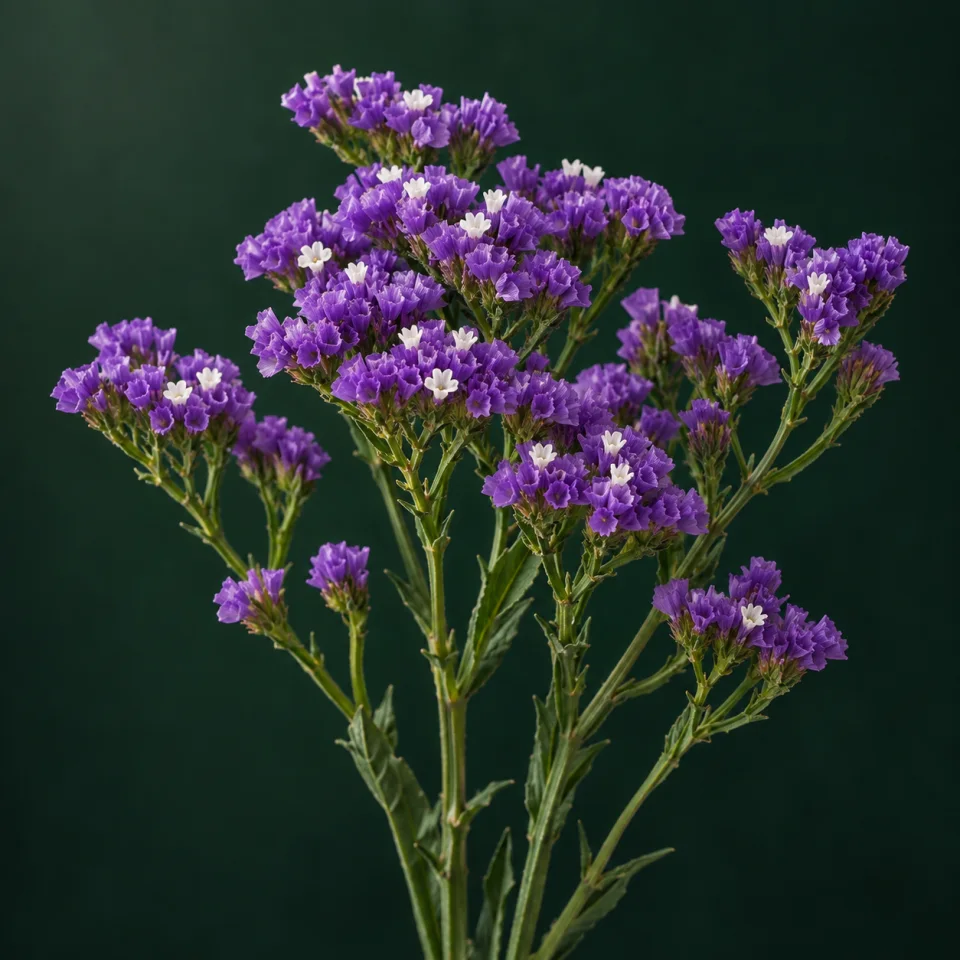
What changes between fresh, dried and preserved flowers
Fresh flowers still need cut-flower care. If you choose them for a vase allow for checking the water and flowers. They may suit someone who enjoys arranging a bouquet and watching it change.
Drying removes moisture from flowers. Methods include air drying and using agents that absorb water. Pressing also dries plant material but changes its shape. Choose the finish you want before deciding how to preserve it.
Some preserved products replace the flowers’ sap and moisture with a glycerin-based solution to maintain their feel and appearance. This is one possible treatment. Check the process used for the particular arrangement, because the label “preserved” does not mean every product is prepared the same way.
Compare the arrangement that will arrive
Compare a photo of the available arrangement and its dimensions including the container. Look at its volume and how the stems will show. If you prefer undyed colours, say so when ordering and check which parts have added colour.
For a shelf, total height may matter more than flower count. Decide which shape, size or colour you want to retain if substitutions are needed. For an arrangement in a box or under a cover, check how it is displayed and whether you can change its base.
To reuse a container, match the support to the material. A fresh bouquet may suit a foam-free arrangement with water and twigs in the vase. Dried or preserved flowers need a support suited to their care, rather than the same water-based setup.
An order could be: “I want to use this vase for the gift. I will send its measurements so the arrangement fits, and I would like a support I can reuse.” Agree which pieces stay at home and which need returning. Keep any supports the arrangement needs.
Location and care help you decide
For a fresh bouquet, use a clean vase, check the water and keep it away from heat. You can include a container if the person does not have one and add care instructions. The bouquet care guide covers these steps.
Dried material can absorb moisture from the air again. Choose a spot without steam rather than a humid bathroom. Remove dust with a soft brush when that method suits the parts of the arrangement.
Some preserved arrangements are prepared for indoor use, without water and away from high humidity and direct sunlight. Use the particular product’s instructions to choose its position and pass them on with the gift. These instructions do not describe every preservation treatment.
Drying a few stems from a fresh bouquet
Statice, baby’s breath and yarrow can be air-dried in small bunches hung in a dark, ventilated place. Identify the flowers before starting because the same method may not suit the whole bouquet.
Gomphrena keeps its shape and colour well when dried. Choose open heads that are not ageing. Its papery texture is present in the fresh flower too. Ask about the stem condition to check how it will be supplied.
Keeping a gift with personal meaning
First choose what you want to keep: a flower with its volume, petals for a frame or part of the arrangement. If commissioning this work, take the bouquet in before it deteriorates and compare examples made with similar flowers.
You can keep just a few stems or petals. Agree on the selection, the finished piece’s dimensions and what will happen to the rest. Colour or shape may change; choose a finish you like and can care for, without relying on an indefinite lifespan.
Two orders that focus on the result
For a finished arrangement, write: “I am looking for an arrangement for this living-room cabinet. I would like to compare a dried option and a preserved one within the same budget. I will send the measurements and a photo of the spot.” Add whether it receives sun or moisture so the suggestion suits the location.
For a fresh bouquet with some stems to keep, ask: “I would like a bouquet with globe amaranth and the flowers identified. I would like to know which I can separate for air drying.” You can enjoy the bouquet first and keep part of it later without drying the whole thing.
Oaxaca: flor inmortal in a crafted piece or a bouquet
Noche de Rábanos takes place on December 23 in Oaxaca de Juárez. The Zócalo displays radish figures alongside work made with flor inmortal and totomoxtle, the husks surrounding ears of corn. Use that edition’s programme to plan a visit; entering the competition requires its rules.
Flor inmortal crafts are made in San Antonino Castillo Velasco. In this work, dried flowers can form part of figures built on a framework. For a gift, compare a finished piece with a dried bouquet: the former keeps its own composition, while the latter lets you choose a vase and arrange the stems.
For a crafted piece, look at its full measurements, the stability of its base and how to protect raised details during the journey. Ask for care instructions for that construction and a box that prevents other objects pressing on the flowers. The name “inmortal” is not a lifespan guarantee or a replacement for those instructions.
You could ask: “I’m looking for a small flor inmortal piece for a shelf that is 30 centimetres deep. I’ll take it home by bus. What are its dimensions including the base, and how would you pack it so the flowers aren’t crushed?” If you prefer a bouquet of dried stems, explain that you want to arrange them in your own container.
Which flowers to choose
Compare flowers to choose the format, colours and care that suit the occasion.
Statice
For a thank-you or a new home, you could choose a statice bunch in a container ready to display. Fresh stems need water, while dried stems suit someone who prefers a decoration they do not have to water. Confirm which format you are buying because the papery appearance alone will not tell you. Choose the colour around their taste and where they will put it.
Baby’s breath
Gypsophila can make up the whole bunch or accompany roses if you want a gift of small flowers. Start with the size and where it will go. For a wedding, request a sample that shows its proportions on the table. Confirm whether the material is fresh, dried or preserved because care differs. Its delicate appearance does not make it a flower to eat or guarantee it suits every home.
Sea holly
Sea holly can suit a thank-you or Father’s Day when the recipient enjoys bouquets with strong textures. Its blue heads contrast with broad-petalled flowers. Before ordering, decide whether you want fresh or dried stems and where the gift will go. Fresh Eryngium planum flowers can have a faint manure-like smell. If smell matters to the recipient, ask to assess the actual stems.
Yarrow
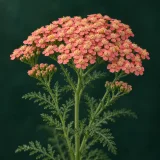
Give yarrow for a birthday or to say thank you when someone enjoys informal bouquets. Its small flower clusters create areas of colour that you can combine with taller stems. Choose a shade they like first and then decide between fresh flowers and a dried arrangement. If cats or dogs at home could reach it, choose another gift.
Globe amaranth
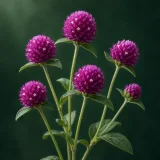
For a birthday or a thank-you, you can give globe amaranth fresh or in an already dried arrangement. Its papery texture is present when fresh too: it does not mean the bouquet is already dry. If you want to dry some later, separate stems with fully open heads before they become too old. Choose an already dried arrangement if you prefer to skip the drying process.
Guides to help with your decision
When to give lavender
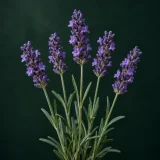
Lavender gifts: choose a fresh bunch, dried stems or a plant around the recipient’s taste. Scent, presentation, care and pet precautions.
When to give scabiosas
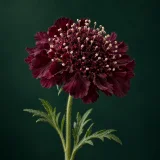
Choose scabiosas for a birthday, anniversary or wedding: bouquet texture, fresh flowers versus dried seed heads, handover and care.
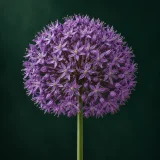
When to give ornamental alliums
Give ornamental alliums: flower head size, arrangement height, container and transport, care and choosing between a bouquet, plant or bulbs.
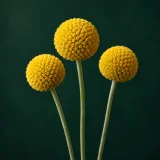
When to give craspedia
Fresh or dried craspedia for a birthday or thank-you gift. How to agree on colour, size, container, transport and care for the arrangement.
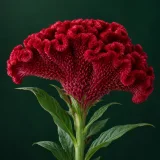
When to give celosia
Choose celosia as a fresh bouquet, dried arrangement or potted gift. Crests and plumes, size, light, watering and care as the flowers fade.
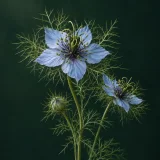
When to give love-in-a-mist
Nigella for anniversaries and weddings. Compare fresh flowers and dried seed pods, order a design that shows the details and care for each format.
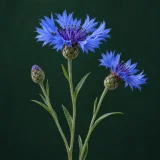
Cornflower: a blue choice for fresh or dried gifts
Choose Centaurea cyanus for a blue bouquet, care for it on arrival and dry a few stems. How it differs from perennial cornflower and what to check in mixed bouquets.
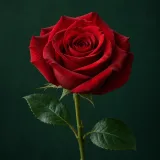
Which flowers to give for Sant Jordi
Choose a rose and a book for Sant Jordi. Ideas for a personal gift on 23 April in Catalonia and for carrying it comfortably.
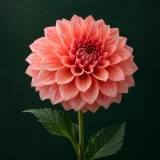
Which flowers to give for Grandparents’ Day in Spain
Flowers for Grandparents’ Day in Spain on 26 July. Choose a bouquet, plant or dried lavender around their tastes and plan a shared gift or delivery from afar.
Palm Sunday in Lithuania: choosing a craft verba
When Verbų sekmadienis falls and how to choose a handmade Vilnius verba. Materials, size and the difference from a dried-flower gift.
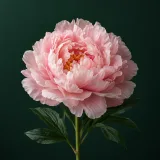
When to give flowers: occasions and how to choose
Birthdays, thank-yous or just because. Choose by where they’ll be received, the format and the journey, then pick stems and colour, with an example order.
How to choose flowers for a wedding
Choose wedding flowers by their role: a guest’s gift, a handheld bouquet or venue decoration. Agree budget, substitutions, delivery and collection.
How to care for a bouquet when it arrives
Bouquet care on arrival: water, stem cutting, flower food and mixed flowers. What to check if it looks limp and how to keep the flowers still doing well.
How to transport a bouquet by car or plane
How to carry a bouquet, a potted plant or dried flowers without crushing them. Packing, water and checks for flights and bringing plants into your destination.
Seasonal flowers in Spain: what to choose
Which seasonal flowers to choose in Spain. Ideas for October and November, local examples by season and how to confirm a bouquet’s origin and availability.

How to order flowers from a distance and plan delivery
Send flowers from a distance: format, date, address and handover, including a group gift. Examples and practical advice for different countries.
Seasonal flowers in Germany by season: what to order
Outdoor sunflowers, zinnias and dahlias in summer, winter tulips and what is left in autumn. How to ask about origin before ordering a bouquet in Germany.
Seasonal flowers in Mexico: origin and ordering
Seasonal flowers in Mexico and buying cempasúchil at Cuemanco or Madreselva in Xochimilco. Origin, pots or cut stems and preparing your order.
Winter bouquets in the UK: flowers for January and February
Compare Scilly narcissi, greenhouse tulips and dried flowers for a winter gift in the UK. Choose a bouquet by growing origin and format.
Night of the Radishes in Oaxaca: when to go and what to see
Plan a December 23 visit to Oaxaca’s Zócalo: radish carvings, flor inmortal and corn-husk figures, the separate convite parade and the edition’s programme.
Natural or dyed blue flowers: what to choose for a bouquet
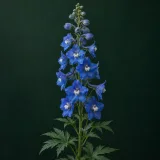
Compare blue flowers without dye for bouquets or pots. Cornflowers, delphinium and other options, dyed roses and orchids, and a practical ordering example.
Seasonal flowers in France: what to ask for in your bouquet
Anemones and ranunculus from the Var, peonies from Tronçais and dahlias from Brittany. Ideas for choosing a bouquet in France by date, origin and colour.
Sainte-Barbe wheat in Provence: what to prepare for 4 December
Seeds for 4 December or green shoots for the Christmas table. How to prepare Sainte-Barbe wheat and tell it apart from dried wheat stems.
Dia da Espiga in Mafra: the date and a bouquet to give
Ascension Thursday in Mafra, next on 6 May 2027. Plan an espiga bouquet by its size, materials and handover date.
Sant Ponç in Barcelona: choosing a small herb or flower gift
Visit the Carrer de l’Hospital fair and distinguish cut bunches, dried material and rooted plants before choosing a botanical gift.
Frequently asked questions
Are dried and preserved flowers the same?
Drying removes moisture from plant material. Flowers sold as preserved may undergo other treatments to retain their appearance or feel. Compare the process, finish and instructions of the particular arrangement.
How long do dried or preserved flowers last?
There is no single lifespan for all materials and treatments. Consider the display conditions and the product’s instructions. If you need to keep a piece for a set period, agree on what result you can expect before choosing it.
Can I dry any bouquet by hanging it?
Identify its components first and check the method for each one. You can separate a few stems for air drying. Hanging the entire bouquet does not guarantee that every flower will retain the finish you want.
Can I mix fresh flowers with dried or preserved ones?
Order an arrangement designed to combine those materials and request its care instructions. Explain the result you want and ask how to care for each part. Do not automatically apply fresh-bouquet instructions to the rest.
Is a photo enough to choose an arrangement?
A photo helps you choose the appearance. Add dimensions including the container, treatment information and planned substitutions to judge how the gift will look.
Sources and what they support
- Iowa State Extension · Harvesting and Drying Flowers
Includes statice, baby’s breath, yarrow and globe amaranth for air drying in small bunches with darkness and ventilation. Dried material can reabsorb moisture. A 2007 horticultural publication, without a lifespan guarantee.
- Wisconsin Extension · Gomphrena globosa
Describes fresh and dried uses and retention of shape and colour in globe amaranth. Recommends open heads that are not too old. Does not guarantee the finish of every bouquet.
- University of Florida IFAS · Drying and Preserving Plant Materials
Drying removes moisture. Describes different methods including pressing and gentle dust removal. Does not establish the composition or lifespan of a particular commercial product.
- Verdissimo North America · Proceso y cuidados de sus productos
The manufacturer describes its glycerin-based solution and indoor care away from water, high humidity and direct sun. Information about its own products, not a universal rule.
- RHS · Cut flowers: cutting and conditioning
For cut flowers it recommends clean vases, checking water and keeping them away from heat. These instructions do not transfer to dried or preserved flowers.
- RHS · Shane Connolly: containers and floral supports
The RHS describes Shane Connolly’s technique of arranging flowers with water and twigs in containers and his preference for avoiding single-use supports. This is his professional practice, not an assessment of every arrangement’s total impact or a method for preserved flowers.
- Gobierno de Oaxaca · Noche de Rábanos, 23/12/2025
The 2025 account places the celebration on December 23 each year in Oaxaca de Juárez and describes radish, flor inmortal and totomoxtle works in the Zócalo. Does not establish 2026 times, entry calls or rules, or a bouquet-giving custom.
- Secretaría de Turismo de Oaxaca · San Antonino Castillo Velasco
Connects flor inmortal crafts with San Antonino and explains totomoxtle as corn husks and its presence in the competition. Does not identify a botanical species or equate the common name with Gomphrena globosa or a preserved product.
- FAHHO · Biushita: La flor inmortal de Oaxaca, marzo de 2026
Bulletin 60 interview with Biushita artisans: dried flowers in pieces with a base or framework and varied forms and sizes. Supports that craft practice. The bouquet comparison and transport example are our suggestions; no lifespan promise or claim that every workshop uses the same technique.
How we put these guides together
We review dates, care and recommendations to help you plan each gift.
Spotted something we should review? Contact Agenda Floral.