Guides · Spain
Seasonal flowers in Spain: how to choose
Agenda Floral · Editorial selection · Reviewed
To choose seasonal flowers in Spain, ask what is being produced in the place of origin and what the florist can supply on the gift date. Natural flowering, commercial cultivation and availability are different things. No single monthly calendar describes every region, variety and shop; a garden reference offers context but cannot confirm stock.
What seasonality means and what it cannot prove
Flowering is a stage in a plant’s life; cultivation is its production process; availability is what can be bought at a particular time and place. AEMET relates biological rhythms to local climate and weather. MAPA documents flower and ornamental-plant production and international trade: being on sale in Spain does not prove a flower bloomed nearby.
Documented examples: spring in Madrid and winter in Galicia
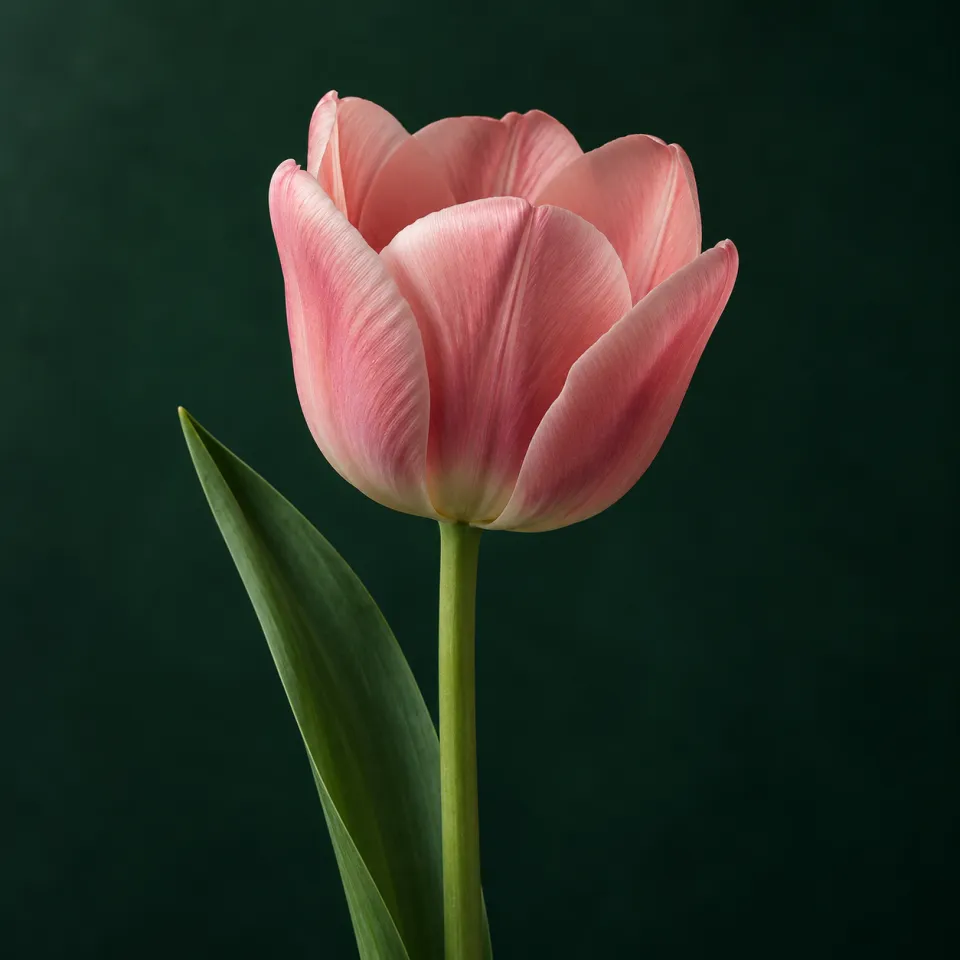
The Royal Botanic Garden-CSIC’s journal includes a planting plan for March daffodils and early-April tulips in Madrid, dependent on winter cold. It is a historical garden reference, not a forecast for your location. Tourism of Galicia places its route’s camellia flowering between autumn and spring, particularly January–March. We do not extend these periods to the whole of Spain.
How to approach buying in each season
In spring, ask about tulips or daffodils with an identified production origin, without confusing the Madrid garden example with shop stock. For summer, first ask what the supplier is producing, then compare forms and colours: a dahlia may be a candidate, not a flower whose availability we guarantee.
In autumn, distinguish newly cut flowers from an arrangement in warm colours: they are not equivalent. For winter, a camellia may inspire a garden-related gift, but confirm its format and cultivation needs; do not automatically treat it as a bouquet stem. If you only want a seasonal appearance, say that rather than asking for a local origin nobody has verified.
Questions that clarify origin and substitutions
Ask: “Where was it grown? What producer or origin can you confirm? What options do you have for that week? What would change if supply falls through?” The country from which a shipment arrives is not necessarily where it was grown. If origin is essential, request that information before deciding and accept that it may not be available for every flower.
Price, impact and quality cannot be inferred from the month
This guide does not calculate prices or environmental footprints. Seasonality alone cannot establish that a flower is cheaper, lasts longer or has a lower impact: product and supply-chain data would be needed. Decide which criterion matters most and ask about it explicitly. For a fixed budget, agree which aspect can change without losing the gift’s intention.
An example of a flexible order
“I want to give flowers this week. I would prioritise local production if you can identify it; I prefer a compact bouquet and can vary species within these colours. Please confirm origin, total price and substitutions.” This brief supports a choice based on concrete information. For delivery elsewhere, ask a professional at the destination instead of assuming your own local stock applies.
Which flowers to choose
Flower pairings are suggestions from Agenda Floral. Documented customs are explained separately; no occasion requires one particular flower.
Tulip
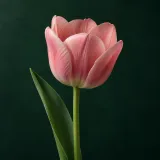
Give tulips for a birthday, anniversary or Valentine’s Day when the recipient likes their shape. For enjoyment that day, choose a bouquet; bulbs are a growing project. Confirm availability and opening stage for the handover date. Our Valentine’s Day association is editorial, with no compulsory meaning attached to colours.
Carnation
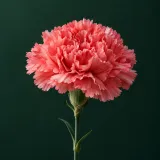
Consider carnations for a thank-you gift, a birthday, Mother’s Day or an All Saints’ Day tribute. These are Agenda Floral suggestions, not exclusive uses or rules about colour. Start with the destination and recipient; if there are cats or dogs, discuss another suitable choice for that household.
Dahlia
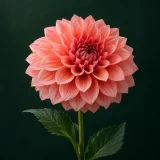
Dahlias suit birthdays, anniversaries and celebrations where you want one flower to lead the arrangement. We suggest them for someone who enjoys abundant petals or geometric shapes. Dahlias do not all look alike: choose the outline you want before ordering, then ask which varieties your florist can supply for the occasion.
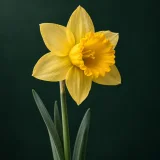
Daffodil
Daffodils are our suggestion for a spring birthday, a thank-you gift or a small gesture during a visit. They suit someone who enjoys a central trumpet or cup and pale or yellow colours, depending on the variety. Their link with spring is botanical guidance; always check availability for the actual delivery date and location.
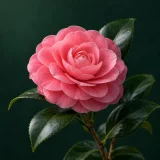
Camellia
A camellia can be a birthday, anniversary or thank-you gift for someone who enjoys caring for plants. Our main suggestion is a potted Camellia japonica selected for the recipient’s actual space. We do not present it as a cut-flower bouquet available in every shop: ask specifically if you need individual flowers for an arrangement.
Guides to help with your decision
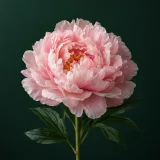
When to give peonies
Giving peonies: single and double flowers, availability in May, opening for handover and alternatives when they are unavailable.
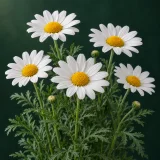
When to give a potted marguerite daisy
Potted Argyranthemum frutescens for someone with a terrace: light, buying questions and how marguerite daisy differs from other flowers called daisies.
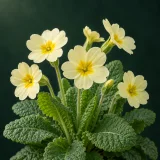
When to give a potted primrose
Giving Primula vulgaris: the right pot, a cool position, seasonal availability and questions before choosing it for a home or terrace.
When to give flowers and how to choose them
Choose flowers by occasion, preferences and context: Spain’s calendar, editorial suggestions and documented sources.
How to transport a bouquet as a gift
Plan the journey, protect the arrangement and coordinate delivery without relying on a universal time limit.
Which flowers to give for graduation
Choose graduation flowers by taste, bouquet size and delivery: practical ideas for the ceremony, card and journey home.
Which flowers to give in autumn and winter
Bouquet and plant ideas for autumn and winter gifts: choose for the occasion, plan delivery and consider indoor care.
Frequently asked questions
Is there an exact month-by-month flower list for all of Spain?
We do not offer a universal list. Published examples concern particular places and conditions; florist availability must be confirmed separately.
Is a rose sold in winter necessarily local?
No. Being on sale does not identify where or how it was grown. Ask about the batch’s origin.
Do seasonal and nationally grown mean the same thing?
No. One describes a timing relationship that needs clarification; the other describes origin. Ask what both terms mean for the particular product.
Can I order a flower outside its local flowering period?
Commercial supply may exist, but the supplier needs to confirm it. Agree a budget and alternative before committing to a composition.
Does buying seasonally guarantee a lower environmental impact?
We cannot guarantee that without production and distribution data. Use product-specific information rather than relying solely on a label or month.
Sources and what they support
- AEMET · Fenología
Relates seasonal biological rhythms to local climate and weather. It is not a florist stock calendar.
- MAPA · Flor y planta viva
Describes Spanish flower and ornamental-plant production and international trade. Commercial supply is not equivalent to local flowering.
- Real Jardín Botánico-CSIC · Diario del Jardín, n.º 2
Its historical Madrid planting plan places daffodils in March and tulips in early April, subject to winter cold. This is a local example, not an annual forecast.
- Turismo de Galicia · Ruta da Camelia
Places flowering of the route’s camellias between autumn and spring, especially January–March. The scope is Galicia and its gardens.
How we put these guides together
We check dates and customs against institutional sources, and botanical information against horticultural sources. Gift suggestions consider a flower’s appearance and the recipient’s taste. Commercial references document an offer, not popularity or a tradition. This initial catalogue is a growing editorial selection, not a list of every species.
Spotted something we should review? Contact Agenda Floral.