Flowers
When to give camellias
Give a camellia if the recipient wants to care for a plant and has a suitable place for it to grow. For a birthday or anniversary, I would choose potted Camellia japonica after discussing light and space with the nursery. Check its flowering stage and growing medium. If they only want a bouquet to display, agree another format before sending it.
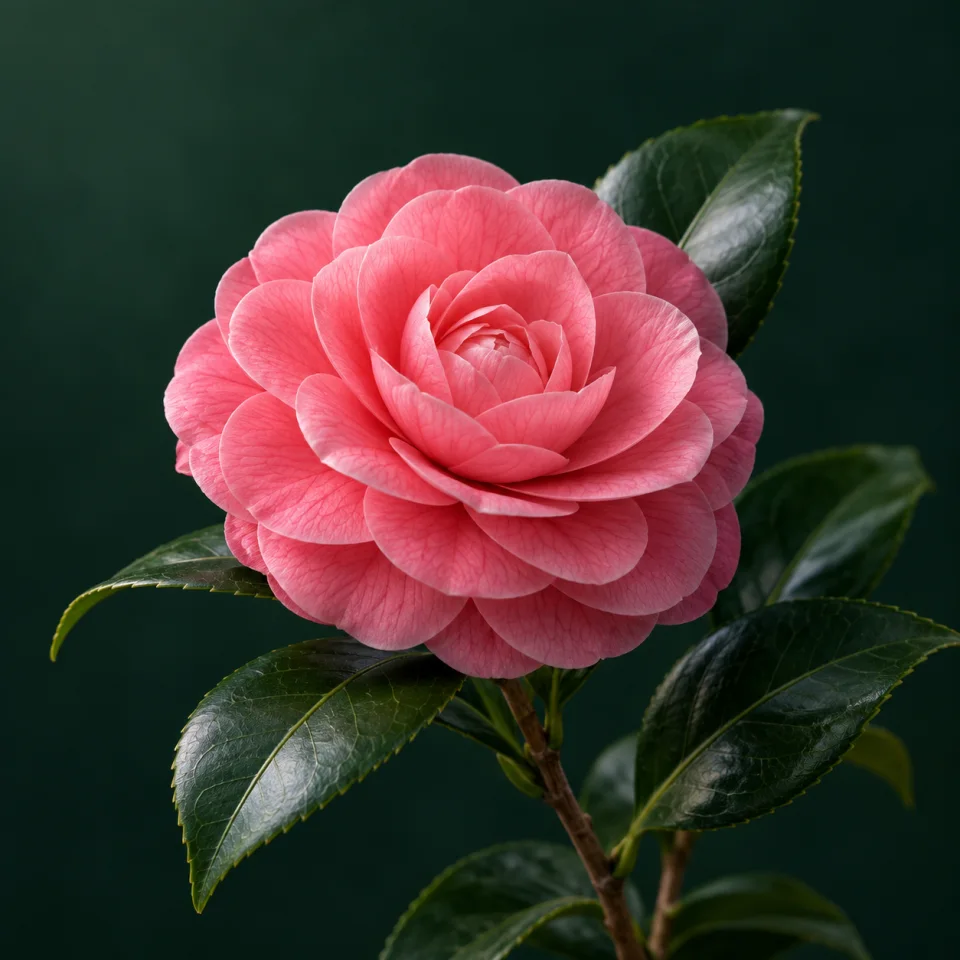
Botanical reference: Camellia japonica
Start with where it will grow
A potted camellia can suit someone who enjoys caring for plants and has an appropriate patio or garden. For a birthday or anniversary, I would ask about that space before choosing the colour. It is a shrub that will keep growing rather than a decoration for any corner of the house.
Camellia japonica prefers partial shade and shelter from drying winds. Describe the hours of sun and conditions at the intended spot to the nursery. If the only option is a very exposed terrace, ask them to check whether the specimen suits it before buying.
Choosing the actual plant for delivery
Japanese camellias come in white, pink and red with different flower forms. Our image shows layered pink petals and glossy green leaves. It can help explain the look you want, but it does not identify a particular variety.
Ask for the variety’s name and a recent photo of the plant you will receive. Check its height, the pot’s width and whether it has open flowers or only buds. If you want to enjoy flowers on the gift date, the specimen’s condition is more useful than a catalogue photo.
A birthday gift with delivery arranged
If the recipient already tends a patio, you could ask: “I am looking for a pink Camellia japonica for a birthday. It will go on a partially shaded patio. I would like to know how large it will grow and see a photo of the plant you will deliver. Please include the variety label and instructions for that spot.”
Before sending it, confirm someone can receive and position it. Ask about the overall weight and whether a decorative cover pot is included. If collecting it yourself, agree how to secure the container during the journey without pressing the branches or flowers.
Potting mix and water for the container
A camellia needs an acidic growing medium with good drainage. For a pot, ask for a mix suited to acid-loving plants. If it will move into the garden, check the soil first. Do not assume the ground is suitable simply because other plants grow well there.
Check moisture before watering and let excess water drain. Avoid prolonged use of hard water. Ask which water is appropriate locally and request guidance for the pot. You do not need to turn care into a homemade recipe for adjusting acidity.
What to check if buds fall before opening
Some bud drop can be natural: certain varieties form more buds than they go on to open. If many fall, check the conditions before changing care. Distinguish a closed bud that drops from a flower that opened and then turned brown; they are not the same problem.
Start with moisture in the potting mix and drainage. If it is dry, water and let the excess drain away. If it is soaked or water is standing in the outer pot, empty it and do not add another watering. Both too little and too much water can contribute to bud drop.
Buds can form months before opening. A dry period during their development can affect later flowering, even if the mix is moist on the day you see them drop. If the plant has just arrived, knowing how it was cared for beforehand helps explain what is happening.
Check recent cold weather and exposure too. Cold can damage buds before they open. Frost can also spoil flowers, especially if direct early morning sun follows it. Shelter the pot from cold winds and early sun after frost; a protected corner or cool glazed porch may help during a cold spell.
Do not add fertiliser to try to stop the drop. Excessive or late feeding can also encourage it. If open flowers turn brown quickly, cold is not the only possible cause: some diseases can produce a similar appearance.
For example, if a newly received camellia drops buds, note when it began and whether there was frost, check the mix and photograph the buds and the whole plant. If dropping continues or leaves and branches deteriorate too, take those details to the nursery for assessment. They help more than changing water, fertiliser and pot all at once.
What to check if there are pets
Camellia japonica is considered non-toxic to dogs, cats and horses. Check the label’s name and any accompanying plants. That classification does not make the arrangement edible or establish the safety of its treatments or decorations.
Choose a stable container and remove ribbons and wrapping once the plant is placed. If the animal tends to chew pots or eat potting mix, discuss placement with the recipient. If they do not want those responsibilities, another gift may make more sense.
When we suggest this flower
Compare flowers to choose the format, colours and care that suit the occasion.
Grandparents’ Day
Spain · Nationwide
A potted idea if they want to care for it and have a suitable place. Check the variety and the plant’s condition.
Which flowers to give as a thank-you
To say thank you, consider freesias if you know they enjoy the scent or compare iris and alstroemeria for their appearance. Add a note explaining what you appreciate. If several people are giving the gift, agree who will receive it and how they will take it home. A small, thoughtful bouquet may suit them better than a large one they have nowhere to display.
Seasonal flowers in Spain: what to choose
For a bouquet in October or November, you can ask about chrysanthemums or carnations and choose colours the recipient likes. If you want flowers grown nearby, ask the florist to confirm their origin for your delivery date. Garden flowering gives a reference for that place but does not confirm what a shop will have. In spring, you can also ask about roses, tulips or peonies without assuming they will be available.
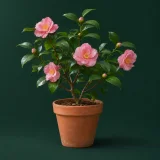
How to care for a camellia in a pot
A japonica camellia needs partial shade, wind shelter and acidic mix retaining moisture without waterlogging. Check water even without flowers: drought while future buds develop may affect later bloom. Use low-lime water where possible and prune only as needed after flowering.
Guides to help with your decision
Which flowers to give for a birthday
Compare dahlias, gerberas, anemones and tulips for a birthday. Choose size and format, then plan the budget, card and delivery at home or work.

Which flowers to give for an anniversary
Which flowers to give for an anniversary and how to order around a memory. Compare roses, ranunculus, callas and proteas and agree on substitutions.
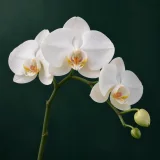
Should you give a bouquet or a potted plant?
Choose between a bouquet and a plant according to space and care. Compare houseplants with a rose bush for Sainte-Catherine in France on 25 November.
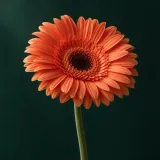
Which flowers to give to someone with cats or dogs
Flowers for a home with cats or dogs: options to consider, checking the whole bouquet and precautions with lilies, holly and mistletoe at Christmas.
How to order flowers from a distance and plan delivery
Send flowers from a distance: format, date, address and handover, including a group gift. Examples and practical advice for different countries.
Frequently asked questions
Will it flower exactly on the gift date?
The calendar month cannot guarantee that. Variety and growing conditions matter. Confirm its flowering stage close to delivery. Months in a British guide do not transfer directly to Argentina.
Can it stay in a pot if the garden soil is unsuitable?
It can grow in a container with acidic potting mix. It also needs a suitable spot and ongoing care. Ask about pot size and maintenance for the chosen variety before offering it as a solution.
What if the recipient only wants flowers for a vase?
Ask whether a camellia arrangement can be prepared and how to care for it. Do not assume it will be offered as a cut flower. Suggest roses or ranunculus if they like layered petals and confirm their preference.
Does bud drop mean I should water more?
Not always. First check the mix’s moisture and whether water is standing in the outer pot. Bud drop can relate to dryness, excess water, cold or earlier conditions; losing a few buds may also be natural. Do not increase watering or feed solely because of that symptom.
Is this the camellia used to make tea?
This guide covers Camellia japonica. The tea plant is Camellia sinensis. Do not make an infusion from the ornamental gift plant or assume its flowers are edible because it belongs to the same genus.
Sources and what they support
- NC State Extension · Camellia japonica
Camellia japonica: partial shade, acidic draining soil and some bud drop that is natural or linked to excess/insufficient water. Drought during bud development can affect later flowering; local months are not extrapolated.
- RHS · Cultivo de camelias
Containers with acidic draining mix, watering according to moisture, protection during cold spells and bud-drop risk from excessive/late feeding. UK months are not a universal calendar.
- ASPCA · Camellia japonica
Classifies C. japonica as non-toxic to dogs, cats and horses. Does not establish safety of added plants, treatments, packaging or food use.
- NC State Extension · Planta del té
Identifies Camellia sinensis as the tea plant. Does not establish food use of ornamental C. japonica.
- RHS · Camellia problems: frequently asked questions
Distinguishes buds aborting through dryness, cold or feeding from open flowers browning through frost or disease; waterlogged roots can produce similar symptoms. Does not diagnose an individual pot.
- Estación Fitopatolóxica do Areeiro · Camellia japonica (EFA 29/05)
Japanese camellia factsheet: steady moisture with drainage, drought and bud opening; some varieties naturally thin their buds. Its feeding, pruning and manual thinning recipes are not adopted.
How we put these guides together
We review dates, care and recommendations to help you plan each gift.
Spotted something we should review? Contact Agenda Floral.