Guides
How to care for a camellia in a pot
Care difficulty7 out of 10
Pay attention to watering and growing conditions.
Editorial guide, with suitable light and climate. 0: very easy; 10: very delicate. More stars mean more care.
A japonica camellia needs partial shade, wind shelter and acidic mix retaining moisture without waterlogging. Check water even without flowers: drought while future buds develop may affect later bloom. Use low-lime water where possible and prune only as needed after flowering.
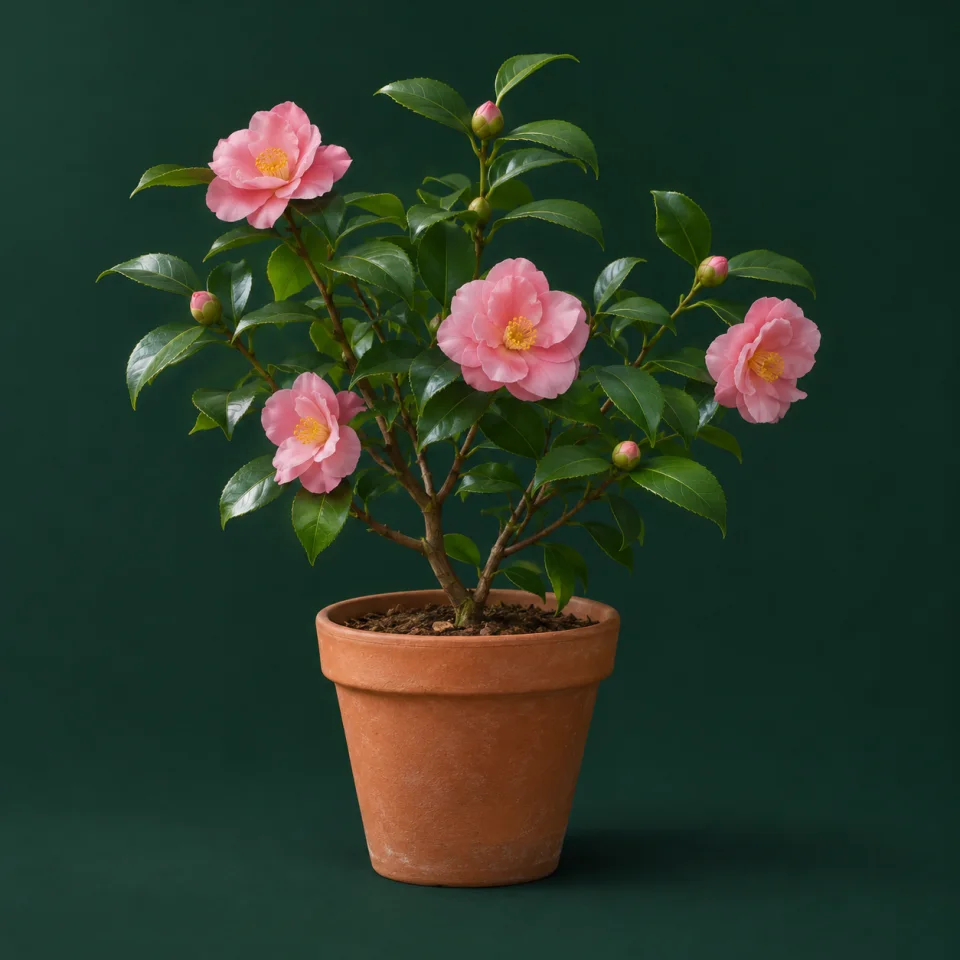
Botanical reference: Camellia japonica
Check the species and mature size
Look for Camellia japonica and keep the variety label. It is an evergreen shrub with glossy firm leaves and varied flower forms and colours. Do not copy a sasanqua calendar or expect gift-sized growth forever. Choose a habit and volume suited to your patio or balcony; a small plant only postpones the space question if there is no room for a shrub.
Bright shade and shelter from wind
Provide light with partial shade, not darkness. Protect against pot-overheating sun and drying or cold winds. Where frost occurs, avoid strong direct dawn sun on frozen flowers. Gradually acclimatise plants from protected nurseries to outdoors. A hot living room does not automatically replace a suitable cool space.
Water attentively after flowering too
Feel several centimetres into the mix and assess weight. When moisture starts decreasing, water slowly through the rootball and let excess drain below. Empty the saucer. Avoid both a completely dry pot and waterlogging. Dry periods during future bud development can affect later flowering even without open blooms to remind you. Check more in heat and wind, not on fixed days.
Acidic mix and a proportionate repot
Use freely draining ericaceous container mix, not lime-rich garden soil. The pot needs holes and stability; preserve planting level without burying the base. When roots fill it or the mix loses structure, move to a modestly larger pot in mild conditions. Avoid unnecessary repotting during severe heat, with a frozen rootball or into a huge container holding unused moisture.
Low-lime water and measured feeding
Clean rainwater can help where tap water is very hard. Do not allow drought for lack of ideal water; standing hard water does not remove lime. During growth use ericaceous feed according to the label and existing nutrients. Avoid excess or late feeding to force buds. Do not add vinegar, iron or homemade mixes for every yellow leaf: check water, roots and growing medium first.
Faded flowers and pruning after bloom
Remove spoiled flowers and fallen debris for appearance and cleanliness, without promising more flowers. A camellia needs no severe annual trim. If shaping is necessary, cut lightly with clean tools after its flowering ends, keeping healthy branches. Late cutting can remove future buds. Renovating an overgrown shrub is a different job and may reduce bloom for several seasons.
Falling buds, yellowing or spots
Some bud drop can be natural; widespread loss calls for checking previous drought, too much water, cold and feed. Yellow leaves can also result from damaged roots or alkaline mix; colour alone does not prove iron deficiency. Check undersides and branches for scale or aphids. Sticky sooty growth calls for finding honeydew-producing insects. Identify the problem before choosing a labelled treatment.
Cold, time away and pets
Potted roots are more exposed than roots in soil. Match shelter to the variety and local cold; a protected cool bright space can help, without relying on wrapping as a guarantee. Check moisture through winter and leave instructions when away. Camellia japonica is listed as non-toxic to dogs and cats, but is not food: keep trimmings, feeds and treatments out of reach. Contact your vet for discomfort after ingestion or uncertain identity.
Which flowers to choose
Compare flowers to choose the format, colours and care that suit the occasion.
Guides to help with your decision

Valentine’s Day in Portugal · Dia dos Namorados
Plan flowers for 14 February in Portugal: a vase, a personal card and delivery around your plans.

Which flowers to give to someone with cats or dogs
Flowers for a home with cats or dogs: options to consider, checking the whole bouquet and precautions with lilies, holly and mistletoe at Christmas.
How to care for a miniature rose in a pot
Sun, water, repotting, spent flowers and cold: practical miniature rose care after the gift arrives.
How to care for a hydrangea in a pot
Shade, water, potting mix and pruning for Hydrangea macrophylla: protect roots and flower buds without chasing colour at any cost.
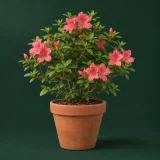
How to care for a garden azalea in a pot
Shade, acidic mix, shallow roots, water and pruning for Japanese outdoor azaleas, distinguished from florist gift plants.
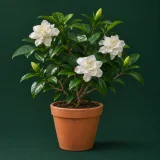
How to care for a gardenia in a pot
Care for Gardenia jasminoides with acidic mix, steady watering and cold protection. What to check when buds fall or leaves turn yellow.
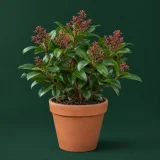
How to care for skimmia in a pot
Shade, watering, potting mix and pruning for Skimmia japonica. Tell reddish flower buds from berries and keep roots moist without waterlogging.
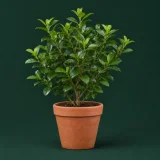
How to care for Japanese spindle in a pot
Light, watering, pruning and scale on Euonymus japonicus. An outdoor foliage shrub whose rootball still needs care despite its adaptable nature.
Frequently asked questions
Should it lose all its leaves in winter?
It is not deciduous. Some old leaf renewal is normal, but sudden or widespread loss needs checks of cold, water and roots. Do not assume a bare shrub is resting or increase watering blindly.
Will it flower again straight after this display?
Immediate repeat bloom is not assured. Its cycle depends on variety and climate, and future buds need care before opening. Continue thoughtful watering after flowering rather than trying to force another round with feed.
Sources and what they support
- RHS · Growing camellias
Partial shade, acidic container mix, low-lime water, feeding and pruning after bloom. Distinguish japonica from sasanqua; no UK months or hardiness imposed.
- NC State Extension · Camellia japonica
Evergreen identity, leathery leaves, varieties and possible bud-drop causes. No regional months or flower duration applied to every pot.
- RHS · Camellia problems
Roots, chlorosis with alternative causes, bud drop, cold and pests. Similar symptoms are not a diagnosis; no blind iron or fungicide treatment.
- ASPCA · Camellia
Exact Camellia japonica profile: non-toxic to dogs and cats. Not an edible designation or removal of risks from products or chewing.
How we put these guides together
We review dates, care and recommendations to help you plan each gift.
Spotted something we should review? Contact Agenda Floral.