Guides
How to care for a garden azalea in a pot
Care difficulty7 out of 10
Pay attention to watering and growing conditions.
Editorial guide, with suitable light and climate. 0: very easy; 10: very delicate. More stars mean more care.
A Japanese garden azalea needs bright shade, acidic mix and steady moisture without standing water. Its shallow roots must neither dry completely nor be buried too deeply. Check the cultivar and cold tolerance before keeping it outdoors year-round. If trimming is needed, do it lightly soon after flowering.
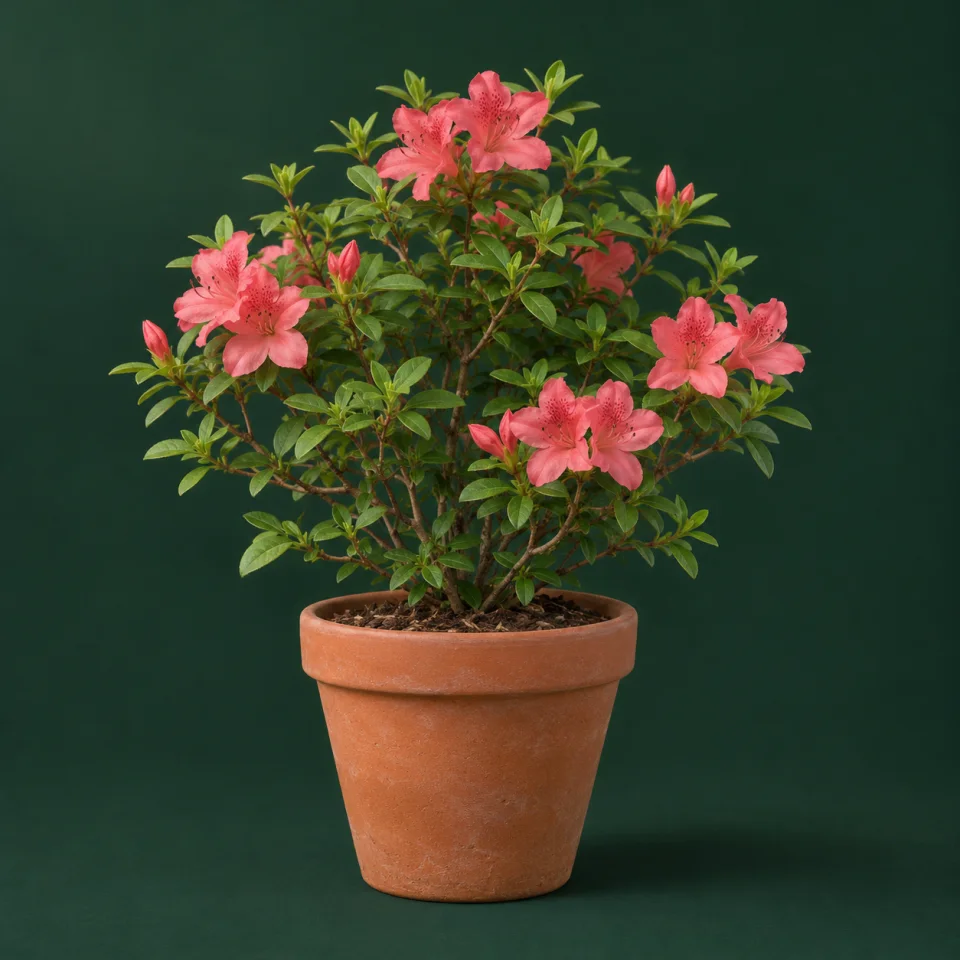
Botanical reference: Rhododendron, grupo de azaleas japonesas
The name azalea does not settle identity
This guide covers Japanese-type garden cultivars within Rhododendron, often evergreen or semi-evergreen. They are not one species with identical hardiness. Look for cultivar, mature size and outdoor use on the label; Kurume is one group example, not a promise for any plant. A florist Rhododendron simsii needs its own checks before spending winter outside.
Bright shade and a pot that stays cooler
A bright patio with light shade and wind shelter often suits it. Avoid strong afternoon sun overheating the container for hours. Gentle sun may work for the cultivar and climate, but darkness does not help flowering either. Acclimatise protected nursery plants gradually to light and temperature, watching tender growth and flowers around frost.
Water with fine roots in mind
Feel a few centimetres into the mix and assess pot weight. As moisture begins decreasing, water slowly through the rootball and let surplus drain; empty the saucer. Do not wait for complete drying. Check more often in heat and wind without prescribing daily watering. A wilting plant in moist mix needs checks of roots, drainage and temperature before more water.
Acidic mix and shallow planting
Use structured ericaceous container mix retaining moisture while draining. Avoid lime-rich garden soil. Choose a stable pot with clear holes, preserve the previous planting level and do not bury the crown. Roots lie near the surface: avoid digging with tools. If space fills or the mix loses structure, repot gently in mild conditions into a proportionate container.
Low-lime water and modest feeding
Clean rainwater helps where tap water is very hard. Do not allow drought while waiting for ideal water; standing water does not remove lime. During growth use ericaceous feed according to label and existing nutrients, without combining products or increasing doses to force flowers. Fine roots can suffer from excess. Before adding iron for yellow leaves, check moisture, roots and mix acidity.
Spent flowers and a light trim
Gently remove spoiled flowers when practical, without tearing shoots or pulling off the whole tip. It needs no severe annual pruning. If growth overflows, trim lightly after flowering with clean tools, preserving future bud formation. Avoid turning every cultivar into a ball through late shearing. Major renovation requires knowing the cultivar and can reduce a season’s flowers.
Yellowing, changing foliage or insects
Some cultivars renew leaves or shed part of their foliage in cold weather; not every leaf stays. Widespread or sudden loss needs checks of water, roots and climate before being called normal. Yellowing between veins may fit an overly alkaline mix but has other possible causes. Inspect undersides and stems for insects and damage. Identify first rather than feeding or spraying for one isolated mark.
Winter, time away and household safety
Garden hardiness does not equally protect potted roots. Choose shelter for the cultivar and local cold, maintain drainage and check moisture even during rest. Do not routinely move it to a hot dark living room. Leave water-checking instructions when away. Keep every part away from chewing children and animals: azaleas are toxic to dogs and cats and may cause serious effects. Contact your vet promptly for suspected ingestion, without waiting for symptoms or using home remedies.
Guides to help with your decision

Which flowers to give to someone with cats or dogs
Flowers for a home with cats or dogs: options to consider, checking the whole bouquet and precautions with lilies, holly and mistletoe at Christmas.
How to care for a hydrangea in a pot
Shade, water, potting mix and pruning for Hydrangea macrophylla: protect roots and flower buds without chasing colour at any cost.
How to care for a camellia in a pot
Camellia japonica care: shade, acidic mix, watering, falling buds and pruning after flowers, with practical checks before acting.
How to care for a gardenia in a pot
Care for Gardenia jasminoides with acidic mix, steady watering and cold protection. What to check when buds fall or leaves turn yellow.
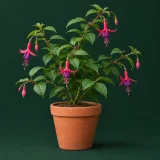
How to care for a fuchsia in a pot
Gentle light, watering, heat, pruning and winter care for container fuchsias. What to check when they wilt or stop flowering.
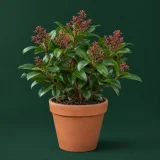
How to care for skimmia in a pot
Shade, watering, potting mix and pruning for Skimmia japonica. Tell reddish flower buds from berries and keep roots moist without waterlogging.
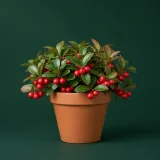
How to care for checkerberry in a pot
Bright shade, acidic compost, soft water and winter protection for Gaultheria procumbens in a pot. How to choose it, use it in winter displays and keep it afterwards.
Frequently asked questions
Can any flowering shop azalea live outside?
Not without identification. A forced florist plant does not prove frost tolerance through pretty blooms. Check its label, growing history and local conditions before a permanent position; garden azaleas are chosen for cultivar and climate.
Why did flowering finish while the leaves still look healthy?
It may simply be the end of its cycle. Maintain light and moisture for future growth rather than forcing immediate repeat flowers with extra feed. Timing and possible rebloom depend on cultivar and conditions, not a universal duration.
Sources and what they support
- RHS · Growing rhododendrons
Acidic mix, shallow roots, drainage, low-lime water and container feeding. No routine root pruning, fixed doses or universal UK months.
- Virginia Cooperative Extension · Evergreen azalea
Outdoor evergreens with cultivar-dependent hardiness/size, afternoon shade, shallow roots and trimming after bloom. US zones are not a pot guarantee.
- RHS · Rhododendron Rosebud (Kurume)
Documented example of a compact evergreen Kurume azalea for acidic soil. Does not identify the image or apply its size, double flowers or hardiness to every cultivar.
- RHS · Azaleas indoors
Distinguishes florist Rhododendron simsii azaleas from garden selections. Protected cultivation does not establish frost hardiness of an unlabelled plant.
- ASPCA · Azalea (Rhododendron spp.)
Azaleas and rhododendrons toxic to dogs/cats through grayanotoxins, with potentially serious effects. No safe dose, guaranteed severity or home remedies.
- Azalea Society of America · FAQ
Leaf renewal in evergreen azaleas, cold-related loss and alternative chlorosis causes. No copied chemical doses, root cuts or universal intervals.
How we put these guides together
We review dates, care and recommendations to help you plan each gift.
Spotted something we should review? Contact Agenda Floral.