Guides
How to care for skimmia in a pot
Care difficulty5 out of 10
Pay attention to watering and growing conditions.
Editorial guide, with suitable light and climate. 0: very easy; 10: very delicate. More stars mean more care.
Skimmia suits a bright shaded terrace, with humus-rich potting mix that holds some moisture while allowing excess water to leave. Avoid a dry rootball and harsh sun. Acid to neutral medium can work, but extreme acidity and iron treatments for every yellow leaf are unnecessary. Prune sparingly and keep the label: red buds are not fruit, and berries depend on the plant type and pollination.
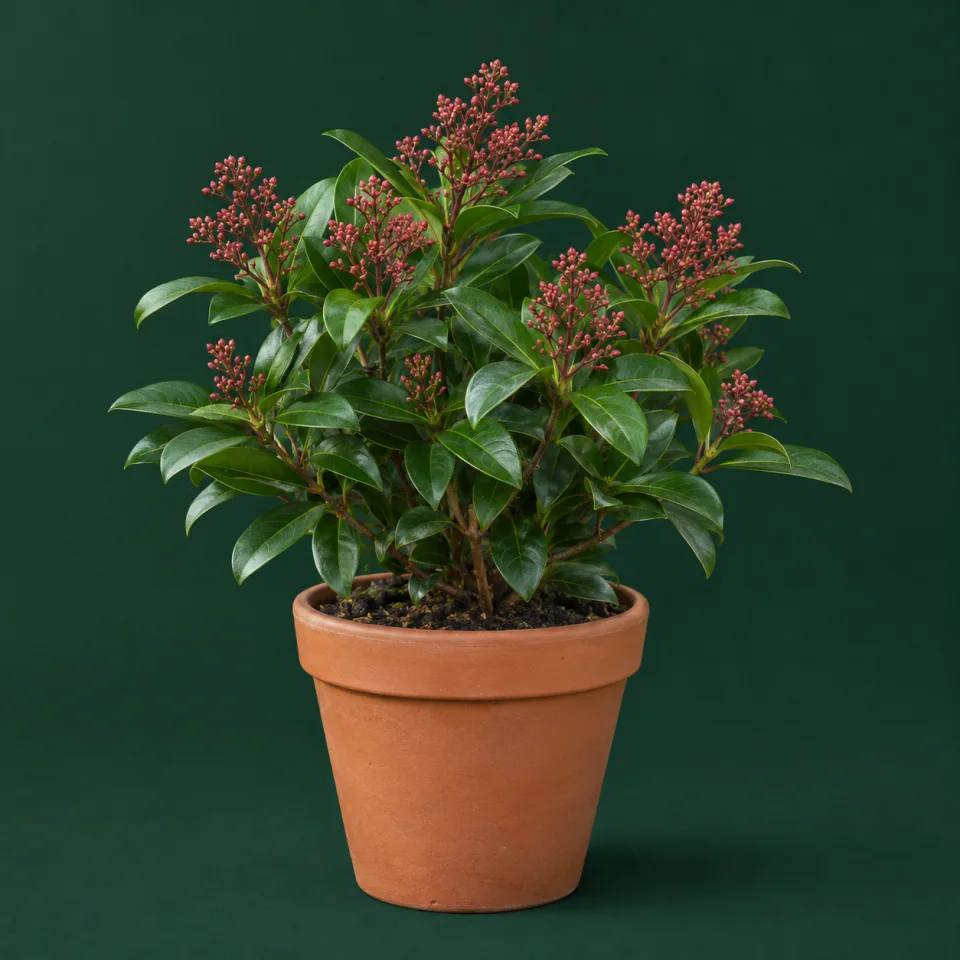
Botanical reference: Skimmia japonica
Bright shade outdoors
Choose an outdoor position sheltered from harsh sun, such as a light courtyard without afternoon sun. It tolerates deeper shade but does not need hiding in a dark room. Gradually settle a plant arriving from protected conditions into its new position. Yellow leaves on an overheated balcony call for checking light and water before buying products. This is an outdoor shrub, not a plant to keep beside a heater.
Humus-rich mix without chasing acidity
Use good-quality potting medium for shrubs, rich in organic matter and freely draining. Acid to neutral mixes suit it, but Skimmia japonica also accepts humus-rich alkaline conditions: it need not follow an identical azalea recipe. Do not routinely add vinegar to water or apply acidifiers. With persistent yellowing, check moisture, roots and exposure first. Colour alone does not establish an iron deficiency or the need for special water.
Water the roots and let the surplus go
Feel below the surface and compare pot weight. As the mix starts to dry, water slowly to moisten the rootball, then let it drain. Wait if it is still damp. Empty trapped water from decorative outer pots and keep wet mulch away from the stem base. Wind can dry a plant even in shade. Before an absence, show your helper this check. A permanently full saucer is not a suitable water reserve.
Space and food without hurrying growth
It grows slowly. Choose a pot only a little larger than the rootball with open holes, rather than placing a small plant in a large mass of wet medium. Check whether roots fill the container; repotting is often considered every two or three years, depending on condition. Move to a slightly larger size with fresh mix in mild conditions. During growth, feed moderately according to the label and existing nutrient reserves. Do not stack fertilisers to force a stalled plant.
A pot experiences winter differently
Garden hardiness does not automatically protect roots in a container. If your winter threatens to freeze the rootball, provide shelter and insulate the pot without blocking drainage. Keep outdoor light and avoid standing wetness. Cold periods usually reduce water demand, but continue checking the medium when it is not frozen. Do not move it into a hot room to compensate for a frosty night or infer a universal minimum temperature from its label.
Red buds, flowers and possible fruit
Clusters of small reddish buds can later open into pale flowers: they are not berries. The species usually has separate male and female plants. A female generally needs a compatible male nearby with overlapping flowering to produce fruit; self-fertile selections also exist. Read the label before buying another plant or expecting fruit. A skimmia chosen for its buds and foliage can be healthy without producing a single berry.
Prune lightly and decide what to keep
Its compact shape does not require clipping every season. Remove dead or damaged branches and adjust only an occasional wayward shoot with clean secateurs during mild weather. If trimming after flowering, consider the plant: removing pollinated female flowers removes future fruit at those points. Do not cut off bud clusters if they are what you want to enjoy. Hard pruning does not reliably rejuvenate an old specimen. A badly deteriorated plant may be better replaced than cut to ground level.
Check problems and keep fruit out of reach
Inspect leaf undersides and stems for scale insects, aphids or mites during hot dry conditions. Wilting in wet medium calls for inspecting drainage and roots, not another watering; container plants can also suffer vine-weevil damage. Identify the problem before treating. The fruit is ornamental and not for eating: it can be poisonous. Keep the plant and fallen fruit away from children and pets. For possible ingestion, promptly contact the appropriate poison service or veterinarian with the label, without waiting for symptoms or using home remedies.
Guides to help with your decision
Christmas in Portugal · Natal and Consoada flowers
25 December and dinner on the 24th in Portugal: choose a poinsettia for the home or a table arrangement, with delivery suited to your plans.
Three Kings’ Day in Portugal: janeiras, bolo-rei and optional flowers
6 January 2027 falls on a Wednesday and is a working day in Portugal. Janeiras on the night of the 5th, bolo-rei until Kings’ Day and, if you want to bring something more, a plant that keeps going in January.
How to care for a camellia in a pot
Camellia japonica care: shade, acidic mix, watering, falling buds and pruning after flowers, with practical checks before acting.
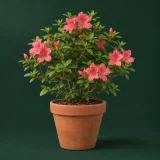
How to care for a garden azalea in a pot
Shade, acidic mix, shallow roots, water and pruning for Japanese outdoor azaleas, distinguished from florist gift plants.
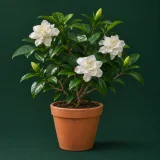
How to care for a gardenia in a pot
Care for Gardenia jasminoides with acidic mix, steady watering and cold protection. What to check when buds fall or leaves turn yellow.
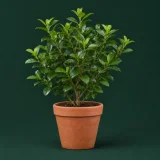
How to care for Japanese spindle in a pot
Light, watering, pruning and scale on Euonymus japonicus. An outdoor foliage shrub whose rootball still needs care despite its adaptable nature.
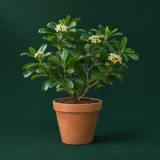
How to care for Japanese pittosporum in a pot
Light, water, pruning and winter shelter for Pittosporum tobira. Choose a compact form and give its roots room with free drainage.
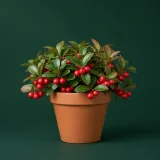
How to care for checkerberry in a pot
Bright shade, acidic compost, soft water and winter protection for Gaultheria procumbens in a pot. How to choose it, use it in winter displays and keep it afterwards.
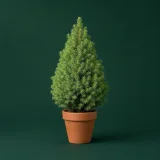
How to care for a dwarf Alberta spruce in a pot
Sun, airflow, watering in winter too, spider mites and reverted shoots for Picea glauca 'Conica'. How to choose one as a living Christmas tree and keep it afterwards.
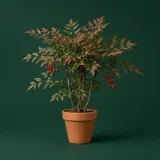
How to care for heavenly bamboo in a pot
Sun for colour, a free-draining pot, watering, winter care and pruning from the base for Nandina domestica. What to know about its toxic berries and invasiveness.
Frequently asked questions
Can it stay in its gift pot all year?
Only if the arrangement drains freely, provides enough room and allows moisture checks. A decorative sleeve with no outlet can hide water even when the surface looks dry. Take out the inner pot to inspect it and put it back after draining. Gift presentation does not establish a suitable permanent container.
Do I need two skimmias to keep one healthy?
No. Another plant may be needed for fruit on a female requiring pollen, but not for the shrub to live. You can grow one for foliage and buds. If berries are the aim, confirm sex, selection and compatibility; flowering and pollination conditions still matter even then.
Sources and what they support
- RHS · Growing skimmias
Shade, humus-rich container mix without compulsory acidity, modest pot increase and repotting as roots fill it, little pruning and often poor hard-renovation response. Flowers and fruit depend on sex/selection, including self-fertile exceptions. Yellowing from dryness or sun is not proof of low iron. No UK months or guaranteed berries.
- RHS · Skimmia japonica
Evergreen species with leathery leaves, shade, draining moisture and humus; acid-neutral preference but accepts humus-rich alkaline soil. Ornamental fruit not for eating, with pet warning too. Scale, vine weevil in pots and root diseases. No family-based safety or invented veterinary symptoms.
- NC State Extension · Skimmia japonica
Identity, alternate leaves crowded at shoot tips, shade and sun scorch; mites in hot dryness, scale/aphids. Fruit poisonous to people, without doses or treatments. Local acid preference balanced against RHS tolerance; no automatic iron for yellowing or transfer of human symptoms to pets.
- RHS · Skimmia japonica Rubella
Documented example of a male selection with red buds opening into pale flowers. Supports distinguishing buds from fruit without assigning Rubella, sex or a cultivar name to the photographed plant.
- Kew · Skimmia japonica
Accepted name and temperate shrub. Taxonomy does not certify cultivar, sex, self-fertility, edibility or specific container hardiness.
- RHS · Preventing winter damage
General protection of container roots using shelter and insulation with free drainage when climate requires it. A hardiness rating is not a guarantee for every pot.
How we put these guides together
We review dates, care and recommendations to help you plan each gift.
Spotted something we should review? Contact Agenda Floral.