Guides
How to care for a gardenia in a pot
Care difficulty9 out of 10
Pay attention to watering and growing conditions.
Editorial guide, with suitable light and climate. 0: very easy; 10: very delicate. More stars mean more care.
Gardenias need plenty of light without harsh sun, acidic potting mix and steady moisture with good drainage. Avoid drying the root ball or leaving water in the saucer. Outdoors, choose a sheltered place and check the cultivar before leaving it out all winter. If buds fall, check water, light and temperature before adding products.
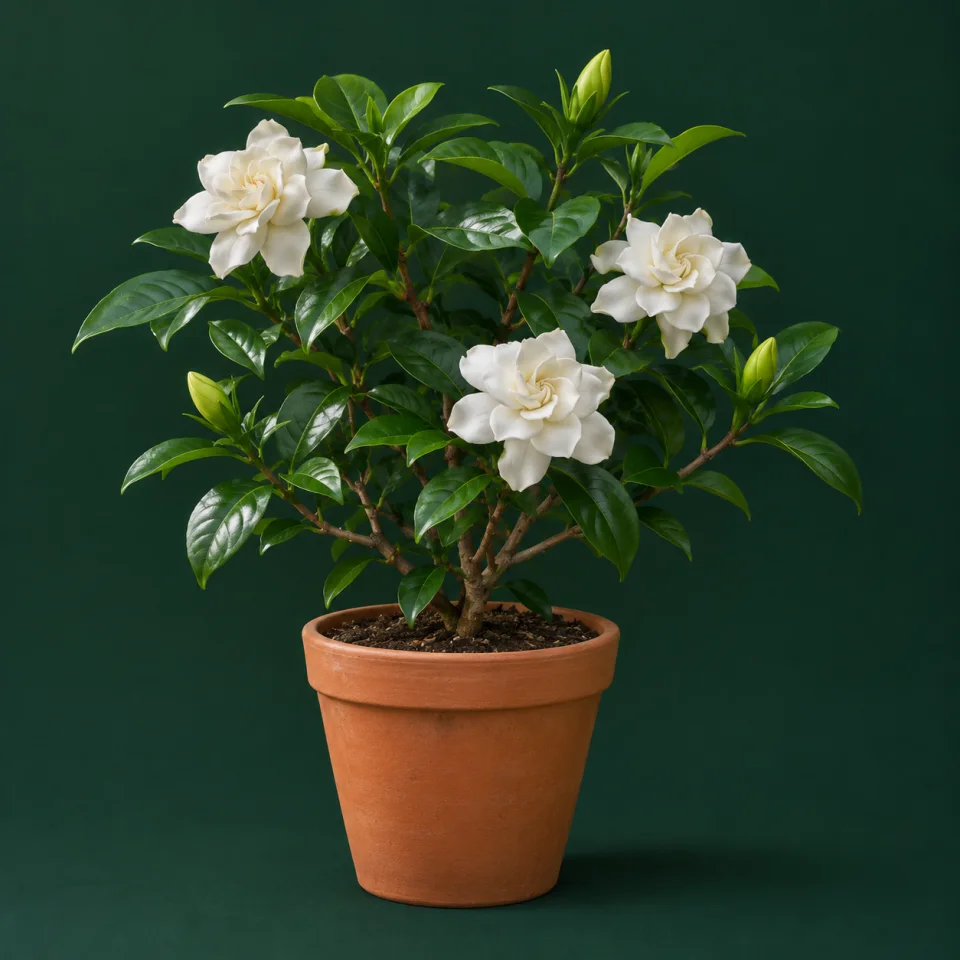
Botanical reference: Gardenia jasminoides
Choose a gardenia that fits your space
Look for Gardenia jasminoides and its cultivar name. This shrub has glossy leaves and fragrant white flowers, but varieties differ in adult size and cold tolerance. A flower photo does not prove frost hardiness. Its fragrance may be strong near a bed or someone sensitive to scents; choose with the eventual position in mind as well as the flowers.
A gentle outdoor position, with shelter ready
A bright courtyard with light shade and protection from wind usually suits it better than a scorching terrace. Acclimatise a plant raised under cover gradually. Outdoor does not mean hardy in every winter: check cultivar and climate. For a potted gardenia without verified hardiness, plan a bright frost-free shelter before nights below 10 °C as a precaution. This is not a universal minimum temperature for the species.
Keep moisture steady without drowning roots
Feel just below the surface and weigh the pot in your hands. As the mix starts losing moisture, water the root ball slowly, let excess drain and empty the saucer. Do not wait for complete dryness. Heat and wind may mean checking more often; slow growth means less water. A drooping gardenia in already wet mix needs drainage and root checks before another watering.
Acidic mix and careful repotting
Use a structured ericaceous potting mix and clear drainage holes, not chalky garden soil. When roots fill the container or the mix deteriorates, move to a proportionate size in mild conditions. Shallow roots dislike disturbance: avoid unnecessarily breaking them apart, digging around them or burying the base deeper. An oversized pot does not make moisture easier to manage.
Do not let water and feeding add problems
Where tap water is very hard, clean collected rainwater can help if you can collect and store it appropriately. Standing water does not remove its lime content. Do not let the plant dry while waiting for ideal water. During growth, use ericaceous fertiliser according to the label and existing nutrients. Avoid stacking products or guessing doses of iron or vinegar for yellow leaves: check moisture, roots and mix pH first.
Enjoy flowers without removing future buds
White flowers can turn cream as they age; gently remove damaged ones without tearing off healthy shoot tips. Avoid wetting open blooms. Heavy annual pruning is unnecessary: remove dead material and check your cultivar’s flowering cycle before shaping, so you do not cut off buds. Major pruning may reduce flowering; no single month or method guarantees continuous flowers.
Dropped buds and yellow leaves
Bud drop can accompany dryness, overwatering, temperature changes, low light or pests. Check what changed before calling it a disease. Some old leaves are replaced, but widespread yellowing calls for root and watering checks. Yellow areas between green veins on young leaves can fit chlorosis from high pH, but are not proof on their own. Inspect undersides and shoots for insects and treat only an identified problem.
Winter, absences and pets
A winter shelter needs light, steady temperatures and distance from heaters. Less dry air helps, but do not leave roots in water; on a water-and-pebble tray, keep the pot base above the water. Arrange mix checks during absences, including slow-growth periods. Keep leaves, flowers and trimmings away from children and pets: gardenias are toxic to dogs and cats. Contact a vet after possible pet ingestion without assuming effects will always be mild.
Which flowers to choose
Compare flowers to choose the format, colours and care that suit the occasion.
Guides to help with your decision

Which flowers to give to someone with cats or dogs
Flowers for a home with cats or dogs: options to consider, checking the whole bouquet and precautions with lilies, holly and mistletoe at Christmas.
How to care for a camellia in a pot
Camellia japonica care: shade, acidic mix, watering, falling buds and pruning after flowers, with practical checks before acting.
How to care for a garden azalea in a pot
Shade, acidic mix, shallow roots, water and pruning for Japanese outdoor azaleas, distinguished from florist gift plants.
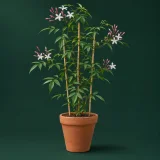
How to care for pink jasmine in a pot
Jasminum polyanthum watering, light, pruning and shelter. Distinguish pink buds and white flowers from hardy yellow winter jasmine.
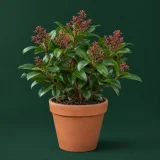
How to care for skimmia in a pot
Shade, watering, potting mix and pruning for Skimmia japonica. Tell reddish flower buds from berries and keep roots moist without waterlogging.
Frequently asked questions
Can it stay outside all year?
Only after checking the cultivar, local cold and exposure of the container. A hardier variety growing in the ground does not prove that any florist gardenia will survive that winter in a pot. Without this information, arrange frost-free protection and avoid abrupt changes.
Should I throw it away if the buds fall?
Not necessarily. If stems and leaves remain healthy, check moisture, drainage, light and temperature changes first. Stable care may help the plant, though it cannot restore fallen buds or guarantee immediate new flowers. More fertiliser is not an automatic answer.
Sources and what they support
- RHS · How to grow gardenias
Acidic mix, steady moisture and cold protection. Sheltering unidentified potted cultivars before nights below 10 °C is a precaution, not a universal species limit.
- NC State Extension · Gardenia jasminoides
Evergreen shrub, shallow roots, light and cultivar differences. Tolerance of an established in-ground shrub is not extrapolated to a potted root ball.
- Clemson Extension · Gardenia diseases and other problems
Bud drop from several stresses, yellowing and chlorosis associated with high pH. No diagnosis from one symptom or transfer of South Carolina pesticide recipes to every country.
- ASPCA · Gardenia jasminoides
Toxic to dogs and cats through genioposide and gardenoside. Described mild signs do not establish safe ingestion or rule out other effects.
How we put these guides together
We review dates, care and recommendations to help you plan each gift.
Spotted something we should review? Contact Agenda Floral.