Guides
How to care for pink jasmine in a pot
Care difficulty6 out of 10
Pay attention to growing conditions and watering.
Editorial guide, with suitable light and climate. 0: very easy; 10: very delicate. More stars mean more care.
Pink jasmine needs plenty of light, moist mix without waterlogging and support for its stems. It can go outside in mild weather but should not be treated as frost-hardy jasmine. Prepare bright shelter before cold. Pink buds open into white flowers; once flowering finishes, trim as needed and keep caring for the plant without expecting continuous blooms.
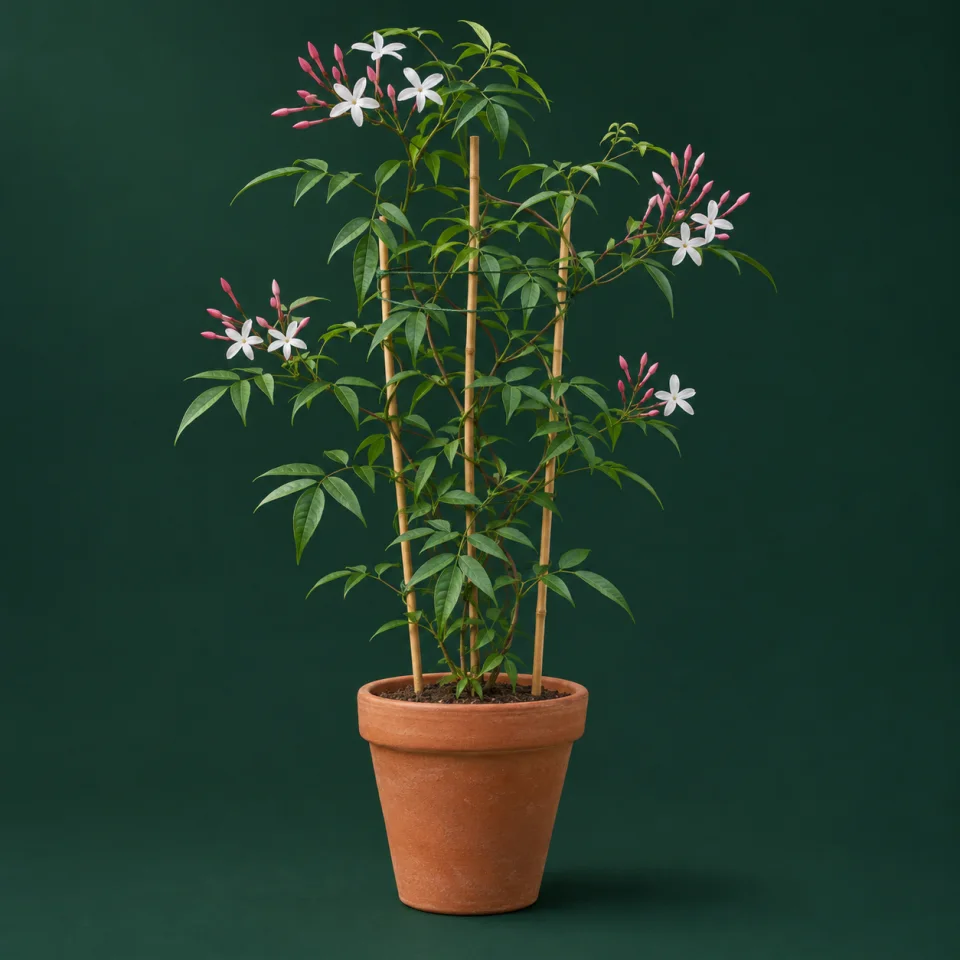
Botanical reference: Jasminum polyanthum
Check the species, not a winter name
This guide covers Jasminum polyanthum, also called Chinese jasmine. Leaves divide into several leaflets and white flowers open from pink buds. It is not yellow-flowered, much hardier Jasminum nudiflorum or star jasmine, Trachelospermum jasminoides. Winter names can mislead. Keep the botanical label to decide its position and avoid transferring uses from other species.
Mild-weather outdoors with shelter planned
Choose bright shelter with gentle sun or light shade according to heat. Acclimatise changes and avoid overheating a small pot in strong sun. As nights approach 13–15°C, a cautious approach is returning to bright protection rather than waiting for frost. This is not an exact death threshold. Frost-free climates can allow sheltered outdoor growth; cold winters need a moving plan.
Water for moisture, not standing water
Feel below the surface and judge the container weight. As the upper layer starts losing moisture, water slowly through the root ball and let it drain. Empty saucers or cover pots and avoid completely dry mix for days. Check more during heat, flowers or active growth; slower growth in cooler conditions needs less. If drooping in wet mix, inspect roots before watering again.
A pot and support you can move together
Use a stable pot with holes and container mix retaining moisture and air around roots. Do not bury it deeper for support. When roots fill the pot, repot proportionately during growth and mild weather. Provide its own trellis or frame with soft ties that do not constrict thickening stems. If shelter will be needed, avoid fastening it to a wall so securely that it cannot move.
Trim after flowers and feed moderately
After flowering, shorten stems exceeding the space and thin tangled or damaged growth with clean tools. Do not repeatedly cut every tip if you want to retain growth that may flower. During activity, flowering-plant feed can be used according to label and mix nutrients; reduce or pause as it slows. More fertiliser cannot replace light, healthy roots or suitable conditions, and hard pruning guarantees no extra flowers.
The plant continues after flowering
It is a perennial climber, rather than a bouquet to discard when flowers fall. Timing changes with climate and protected cultivation; do not impose another hemisphere’s months or continuous blooms. Maintain light, adjusted watering and room to grow. For another plant, take a healthy semi-ripe cutting during growth and place in draining mix with indirect light and moderate moisture. Optional propagation does not guarantee rooting.
Yellow leaves or unsuccessful buds
Check cold, too little water, excess moisture or a sudden position change. A symptom does not establish one cause. Inspect shoots and undersides for aphids, scale, mites or honeydew, particularly after moving to shelter. Separate an affected plant and examine drainage and roots if it wilts in wet mix. Avoid blindly adding water or products; warmth alone does not restore damaged tissue.
Absences, scent and sharing a home
Leave instructions for moisture checks and surplus removal, rather than a fixed day or full saucer. Scent can be strong: choose somewhere enjoyable without overwhelming a small room. Do not use leaves or flowers in tea, or infer pet safety from any plant called jasmine. Prevent chewing and access to treatments or feed. Seek veterinary advice for illness after ingestion with the exact plant and products used.
Guides to help with your decision
Which flowers to give to someone with cats or dogs
Flowers for a home with cats or dogs: options to consider, checking the whole bouquet and precautions with lilies, holly and mistletoe at Christmas.
How to care for a gardenia in a pot
Care for Gardenia jasminoides with acidic mix, steady watering and cold protection. What to check when buds fall or leaves turn yellow.
How to care for star jasmine in a pot
Light, water, support and cold protection for potted Trachelospermum jasminoides. Care for foliage and flowering without waterlogging.
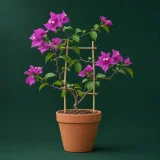
How to care for a bougainvillea in a pot
Sun, watering, support, pruning and cold protection for Bougainvillea glabra on a terrace. Protect its roots without forcing drought for colour.
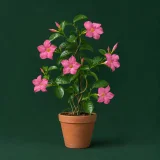
How to care for Brazilian jasmine in a pot
Light, watering, support and winter shelter for Mandevilla sanderi. Care for the roots, retain flowering growth and handle the sap sensibly.
Frequently asked questions
Is this the yellow jasmine that survives winter outside?
No. Jasminum polyanthum has pink buds and white flowers; Jasminum nudiflorum is the hardier yellow-flowered species. A winter-related sales name does not make care identical. For this plant, prepare bright shelter if your climate turns cold.
Should I throw it away after flowering?
Not just for that. It can continue growing with light, space, healthy roots and suitable water. Remove spent flowers and trim after flowering to fit its space. Buying a plant covered in blooms does not promise that quantity or timing on every balcony.
Sources and what they support
- RHS · Jasminum polyanthum
Identity, compound leaves, pink buds/white flowers, cold, mix, post-flower pruning and propagation. H2 is not an ideal temperature; no guaranteed height or bloom date.
- RHS · Growing jasmine
Distinguishes tender polyanthum from hardy yellow nudiflorum. Mild-weather outdoors and return before 13–15°C nights as cautious guidance; not a universal lethal minimum, months or identical care for all Jasminum.
- Kwantlen Polytechnic University · Jasminum polyanthum
Corroborates leaflets, flower tube, buds and containers. Its hardiness zone differs from RHS and is not used to promise frost survival, months or specimen size.
- RHS · Container maintenance
General container care, actual moisture, drainage, roots and existing nutrition. Checks are not automatic watering, British months or routine oversized pots.
How we put these guides together
We review dates, care and recommendations to help you plan each gift.
Spotted something we should review? Contact Agenda Floral.