Flowers
When to give gardenias
Choose a gardenia for an anniversary or thank-you if you know its fragrance will be welcome. A pot makes sense for someone who wants plant care and can provide the conditions it needs. For an arrangement, confirm supply and preparation. Also check whether pets can reach it before deciding.
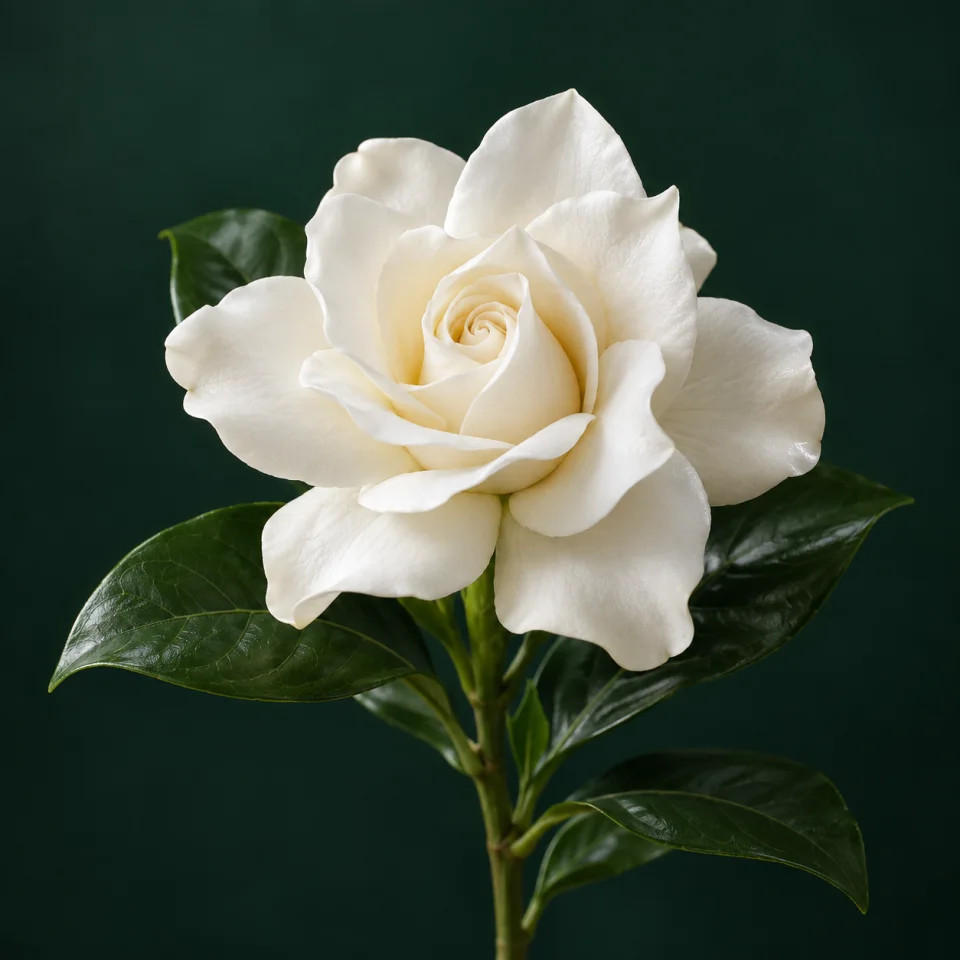
Botanical reference: Gardenia jasminoides
Choosing it for its fragrance and their taste
Gardenia can accompany an anniversary or thank-you if you know the recipient likes fragrant flowers. Its creamy-white blooms and glossy leaves explain part of its appeal. The image shows that appearance, but it cannot tell you how the scent will feel in a room.
Ask about anyone who shares the space where it will be placed too. If someone prefers to avoid floral smells, agree another option. The gift does not need to become a surprise they have to move away afterwards. A note about what you appreciate can give it meaning without assigning a fixed message to white flowers.
A plant and an arrangement are different orders
A pot suits someone who wants a plant to care for and has an appropriate spot. It needs bright light without strong sun, air humidity and acidic potting mix. Before choosing one, ask whether those conditions are possible. I would not assume it suits a home simply because it fits beside a window.
For flowers in a wedding or arrangement, confirm they can be sourced and prepared for that purpose. Ask for cut flower delivery and care instructions. Pot watering instructions do not apply to that format. Agree an alternative if gardenia cannot be supplied.
A thank-you ready to receive
If the person who helped you enjoys plant care, you could ask: “I would like a potted Gardenia jasminoides to say thank you. The recipient appreciates its fragrance. I need a photo of the actual plant you will send and advice on whether it suits the spot I describe. Please include the variety name and its instructions.”
Confirm someone can receive it and ask whether a decorative cover pot is included. Request packaging that protects the flowers in transit. If you want open blooms at handover, check the condition near that date rather than choosing from an image of another specimen.
If a gardenia drops buds after arriving
A gardenia can drop unopened buds after a change of location. Heat, temperature swings, dry air and uneven watering can all play a part. Finding buds on the floor does not, by itself, mean the plant needs fertiliser.
Start by feeling the potting mix with a finger and checking the outer pot for standing water. Keep the mix moist without waterlogging it. If it is already wet, do not add more water to try to save the buds. If it has dried out, resume watering and let surplus water drain away, rather than giving a fixed amount every day. Ask which water to use if your local supply is very hard.
Next, check its position. Look for bright, filtered light away from strong sun, radiators, and heating or air-conditioning vents. Avoid draughts from doors or windows. Once you have found a suitable place, keep conditions steady instead of moving it to another room whenever a bud falls.
Check air humidity too and look at the leaves, especially their undersides, for fine stippling, webbing or insects. Those signs warrant a closer assessment; bud drop alone does not identify a pest. Adding water to an already moist pot does not correct dry air. Do not wet flowers or buds to compensate.
For example, if the gift is beside a radiator and its outer pot holds water, empty that water and find a bright position without direct heat. Then check the mix before watering again. Correcting what you can observe is more useful than adding fertiliser or changing several routines without knowing why.
Do not immediately repot a newly received gardenia that already comes in suitable potting mix. Let it adjust and ask when a change will be needed. Sending the instructions with the plant makes the start easier than setting the same watering day for every home.
Precautions for pets and the ornamental plant
Gardenia jasminoides is toxic to dogs, cats and horses. If a pet can chew it, choose another gift. Contact a vet as soon as possible after suspected ingestion. A pleasant scent does not mean the flowers are safe for an animal.
Keep the plant, flowers and accessories out of small children’s reach. Do not use the ornamental specimen as an ingredient or edible decoration. Ask about these conditions before sending it so the gift does not require the recipient to rearrange the home at the last minute.
When we suggest this flower
Compare flowers to choose the format, colours and care that suit the occasion.
Assumption at Begoña · Bilbao
Bilbao · Local
It may suit someone who likes this flower. Ask how it is sold and whether it is available.
Which flowers to give as a thank-you
To say thank you, consider freesias if you know they enjoy the scent or compare iris and alstroemeria for their appearance. Add a note explaining what you appreciate. If several people are giving the gift, agree who will receive it and how they will take it home. A small, thoughtful bouquet may suit them better than a large one they have nowhere to display.
How to care for a gardenia in a pot
Gardenias need plenty of light without harsh sun, acidic potting mix and steady moisture with good drainage. Avoid drying the root ball or leaving water in the saucer. Outdoors, choose a sheltered place and check the cultivar before leaving it out all winter. If buds fall, check water, light and temperature before adding products.
Guides to help with your decision
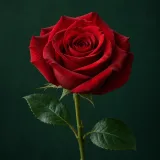
Which flowers to give for an anniversary
Which flowers to give for an anniversary and how to order around a memory. Compare roses, ranunculus, callas and proteas and agree on substitutions.
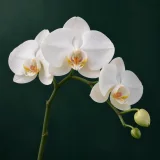
Should you give a bouquet or a potted plant?
Choose between a bouquet and a plant according to space and care. Compare houseplants with a rose bush for Sainte-Catherine in France on 25 November.
Scented or low-fragrance flowers: how to choose
How to choose fragrant or low-scent flowers around the recipient and setting. What to ask about varieties, foliage and substitutions.

Which flowers to give to someone with cats or dogs
Flowers for a home with cats or dogs: options to consider, checking the whole bouquet and precautions with lilies, holly and mistletoe at Christmas.
How to order flowers from a distance and plan delivery
Send flowers from a distance: format, date, address and handover, including a group gift. Examples and practical advice for different countries.
Frequently asked questions
Is Gardenia jasminoides a jasmine?
No. Although it is also called Cape jasmine, it belongs to the Gardenia genus. Ask for the botanical name to clarify the order and keep the instructions appropriate to that plant.
Should I mist the flowers to raise humidity?
Avoid wetting petals and buds: droplets can mark them. You can use a tray of damp pebbles beneath the pot, keeping its base above the water. Check air humidity with a hygrometer; if it remains low, consider a humidifier that does not leave droplets on leaves or flowers.
Does bud drop mean it needs fertiliser?
No. First check moisture and drainage, position, temperature changes and air humidity. Bud loss has several possible causes and does not identify a deficiency on its own. Do not increase fertiliser or watering without checking what is happening.
Can I guarantee open flowers for the anniversary?
Confirm the actual specimen close to delivery. Variety and growing conditions affect flowering. If open blooms are essential, agree another option when the available gardenia only has buds. A month in a foreign guide does not guarantee that result.
Sources and what they support
- NC State Extension · Gardenia jasminoides
Identifies the shrub with fragrant creamy-white flowers and glossy foliage. Does not measure personal scent tolerance or establish local availability.
- RHS · Cultivo de gardenias
Gardenia jasminoides: bud drop associated with extreme or fluctuating temperatures and excessive, insufficient or uneven watering; filtered light, drainage and pest checks. Does not identify one cause from that symptom or set a worldwide routine or cut-flower lifespan.
- New York Botanical Garden · Gardenia en interior
Indoor Gardenia jasminoides: relocation, dry air and draughts/heating or air-conditioning vents can affect buds. Checking leaf undersides, stippling and webbing helps assess possible mites without diagnosing from bud drop alone. Do not wet flowers/buds to raise humidity; its local windows, months and night-time guidance are not universal. Suggests a damp pebble tray or humidifier and checking humidity with a hygrometer.
- ASPCA · Gardenia jasminoides
Identifies toxicity to dogs, cats and horses and recommends veterinary consultation after possible ingestion. Does not establish a safe dose.
How we put these guides together
We review dates, care and recommendations to help you plan each gift.
Spotted something we should review? Contact Agenda Floral.