Guides · Spain
Scented or low-fragrance flowers: how to choose
Agenda Floral · Editorial selection · Reviewed
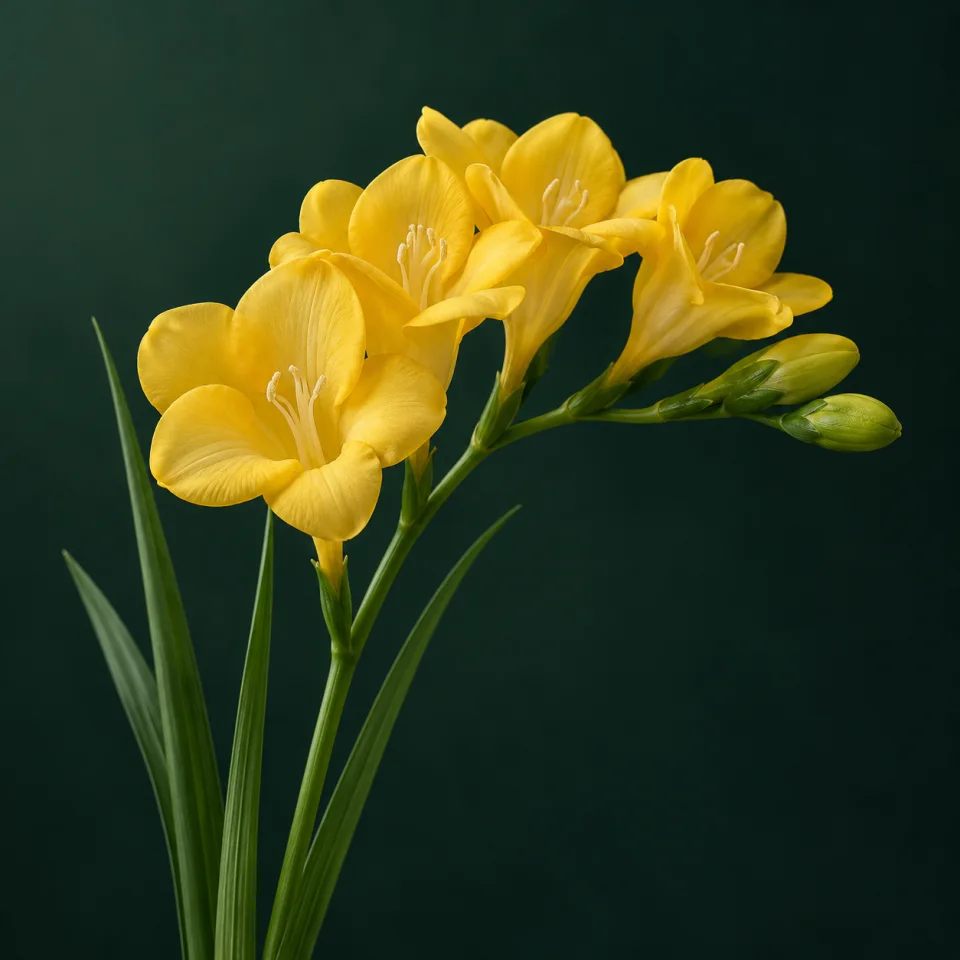
If the recipient enjoys floral fragrance, freesias are a documented option. If they prefer little scent, ask the florist for a checked selection of the available genera and varieties, including foliage. Do not choose by name or colour alone: flower groups differ in fragrance. For a dinner or shared table, first check whether fragrance is welcome.
Start with a preference rather than a surprise
Ask whether they enjoy scented bouquets and where they would put one. A gift enjoyed alone at home has a different setting from a shared office or dinner. Our advice is to prioritise the preferences of the people living with the flowers; your own enthusiasm does not replace that information.
A fragrant option and an example of why variety matters
The RHS describes freesias as scented flowers. For lilies, it distinguishes unscented Asiatic hybrids from fragrant Oriental or Trumpet groups. Asking simply for “lilies” therefore does not specify fragrance. These examples are neither an intensity scale nor a list of flowers suited to every home.
What to request when you want little scent
Explain the setting: “I want a bouquet for a shared desk and would prefer minimal fragrance.” Ask to check the whole arrangement, not just its main flower, and agree that substitutions should respect that preference. Gerberas or lisianthus can be starting points for their appearance; check the actual product’s fragrance rather than treating them here as a guarantee of no scent.
How to compare two florist proposals
Ask for the names of the flowers and foliage, the finished size and whether added fragrance is involved. In person, compare the available options; remotely, put your preference in writing and confirm substitutions. A photograph shows colour and shape but cannot establish the scent of the bouquet that will be delivered.
Fragrance, allergies and pets are different questions
This guide addresses scent preferences. We do not certify bouquets as hypoallergenic or infer suitability around pets from fragrance. If the recipient has specified a restriction, communicate it when ordering and respect it when choosing the gift. We do not recommend removing flower parts as a way to guarantee safety.
An order brief that makes your priority clear
Our example: “This is a gift for someone who prefers little scent. That preference matters more than matching the pictured species; please ask before substituting flowers or foliage. I want a manageable arrangement and to know its components.” If fragrance is the aim, change the first sentence and explain which floral scent you know they enjoy.
Which flowers to choose
Flower pairings are suggestions from Agenda Floral. Documented customs are explained separately; no occasion requires one particular flower.
Gerbera
We suggest gerberas for birthdays, thank-you gifts or Mother’s Day when you want to highlight the recipient’s favourite colour. First choose between cut flowers and a potted plant, then agree size and delivery. There is no compulsory flower count or colour: the format should be convenient for the person receiving it.
Lisianthus
Give lisianthus for an anniversary, a thank-you or Valentine’s Day if its appearance appeals as an alternative to roses. It is eustoma, not a rose or peony. Agree colours, volume and availability with the florist; it can offer an alternative arrangement idea without reproducing another flower exactly. These are editorial suggestions, not compulsory traditions.
Freesia
Freesias can accompany a thank-you gesture, an anniversary or an agreed visit to someone who enjoys scented flowers. We suggest them when fragrance is part of the gift as well as colour. Ask first if you do not know the recipient’s preferences: a scent one person enjoys may feel too strong to another.
Guides to help with your decision
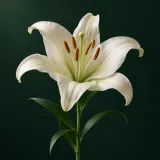
When to give lilies
When to choose lilies for a tribute or gift: size, scent, pollen and botanical names. Why Lilium should be avoided in homes with cats.
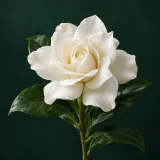
When to give gardenias
Gardenias for an anniversary or a thank-you: consider fragrance and whether you are giving a plant or an arrangement.
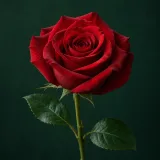
Which flowers to give on Valentine’s Day
Roses and alternatives for Valentine’s Day in Spain: choose a bouquet around the person, the colour and the delivery.
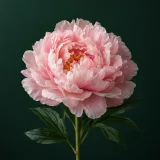
Which flowers to give for Mother’s Day in Spain
The Spanish Mother’s Day date and suggestions featuring peonies, carnations, gerberas and alstroemerias.
When to give flowers and how to choose them
Choose flowers by occasion, preferences and context: Spain’s calendar, editorial suggestions and documented sources.
Which flowers to give as a thank-you
Thank someone for help or an invitation with flowers: choose the size, fragrance and a note explaining the gesture.
Which flowers to bring to a dinner host
Flowers to thank a dinner host: bouquet or centrepiece, container, fragrance, handover and examples of an order brief and card.
Frequently asked questions
Which flower can I give someone who enjoys fragrance?
Freesia is a scented example supported by the RHS. Check that the recipient likes it and ask about the available variety and bouquet.
Do all lilies have a strong scent?
No. The RHS distinguishes fragrance differences between lily groups. Ask for the group and variety rather than assuming scent from the common name.
Does a white flower have less fragrance?
We do not use colour to infer scent. Confirm the genus, variety and actual arrangement with the florist.
Does low fragrance mean hypoallergenic?
We do not treat those terms as equivalent. A scent preference cannot certify how someone will respond to a bouquet.
What if I do not know their preferences?
Ask a simple question before choosing. If you cannot confirm, avoid making fragrance the main feature and agree an alternative the recipient wants to receive.
Sources and what they support
- RHS · Freesia
Describes freesias as scented flowers suitable for cutting. It does not establish identical intensity for every bouquet.
- RHS · Lilies
Distinguishes lily groups by fragrance. This is a botanical reference, not health certification for a bouquet.
How we put these guides together
We check dates and customs against institutional sources, and botanical information against horticultural sources. Gift suggestions consider a flower’s appearance and the recipient’s taste. Commercial references document an offer, not popularity or a tradition. This initial catalogue is a growing editorial selection, not a list of every species.
Spotted something we should review? Contact Agenda Floral.