Flowers
When to give hydrangeas
For a birthday or a thank-you, I would choose a hydrangea bouquet if the recipient likes flowers with volume. Agree on the finished width and the vase, as even a few stems can take up plenty of space. A plant suits someone who wants to care for it and has room for its mature size, with light shade and good drainage. Hydrangeas can also accompany an All Saints’ tribute if they remind you of that person.
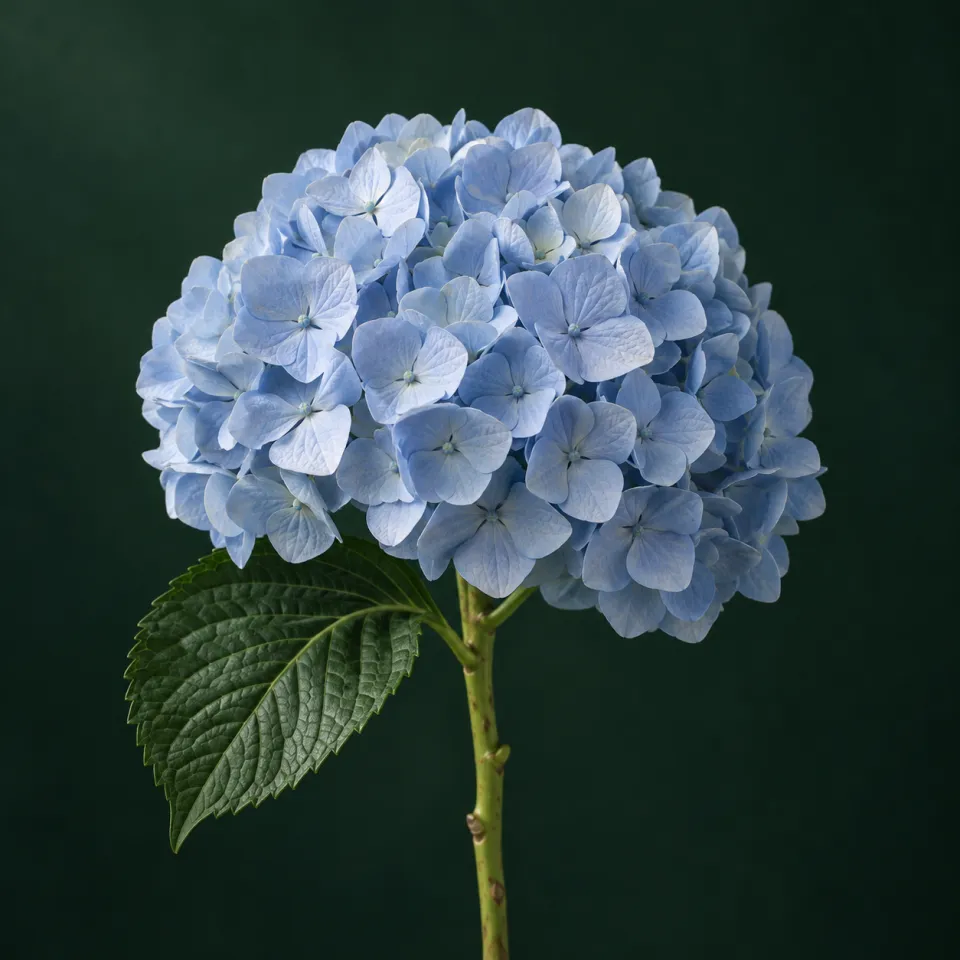
Botanical reference: Hydrangea
Few stems do not always make a small bouquet
The blue hydrangea in our image shows a rounded cluster of flowers. Hydrangea macrophylla also has flatter flower forms. For a particular shape explain what you like about the reference and ask what can be prepared for delivery. The image does not establish the species or cultivar you will receive.
Describe the display space rather than ordering only a number of stems. You could ask: “I would like hydrangeas as a thank-you for an invitation. They will go on a small table and I already have a vase. How wide would the finished bouquet be, and what container does it need?” This helps you agree on volume before discovering it does not fit on arrival.
A bouquet to receive or a plant to care for
Choose cut stems for a gift that can be displayed on arrival. For a finished arrangement agree on the container and ask for its watering instructions. A pot makes more sense when the recipient wants a living plant and has a suitable place. The bouquet-or-plant guide helps compare those choices.
For a tribute decide where the flowers will go and check what that place permits. A hydrangea reminding you of someone can be reason enough to choose it. This does not establish a shared custom or permission to leave any container. The related occasions offer preparation advice for each destination.
For cut stems check the water on arrival
For a loose bouquet use a clean vase and remove leaves that would sit under water. Trim the bases with a sharp tool and use flower food as directed. Check the water daily and replace it if it becomes cloudy or smells. The bouquet-care guide explains these steps further.
If a hydrangea droops, check whether its stem reaches the water and whether only that flower or the whole arrangement has changed. Send the florist a photograph and explain when it arrived and how you have cared for it. Before submerging the flower head or trying another remedy ask for instructions for those stems. A general recipe does not guarantee recovery.
A potted plant needs a place beyond the gift day
Ask for the species and cultivar names and check mature size on the label. The pot you see when buying does not explain how much space the plant will need. Describe the recipient’s balcony or garden and ask whether that particular plant will suit it.
Shrubby hydrangeas need light shade and moist well-drained soil. Check moisture regularly in containers. Agree on care for the destination rather than turning this advice into a fixed watering schedule. Ask about pruning for its species before cutting branches according to another hydrangea’s guide.
After flowering: keep the plant and check how to prune
If the flowers fade but the plant still has healthy leaves, that does not mean its life is over. Keep checking moisture and maintain moist, well-drained potting mix. Empty any water left in the outer pot and choose a lightly shaded spot for outdoor growing.
A hydrangea sold in bloom for indoor display is not guaranteed to survive winter on your balcony. Some are prepared to flower indoors, and their suitability outdoors depends on the cultivar and climate. Keep the label and check cold hardiness before deciding where it will keep growing.
Many Hydrangea macrophylla flower from the previous year’s stems. Cutting all the stems back because the flowers have faded can remove buds for the next flowering. Some cultivars also rebloom on new growth, but check this by the cultivar name.
For a mophead macrophylla with rounded flowerheads, you can leave faded heads over winter to help protect the buds below. To remove them in spring, cut just above the first strong, healthy pair of buds below the head. Adjust the timing to local frost risk; removing a faded head does not require shortening the whole branch.
This deadheading advice is for rounded mopheads. Flat lacecap macrophylla and other species, such as Hydrangea paniculata, may need different treatment. If you do not know which you have, keep healthy branches until you identify it rather than using one hard-pruning method for every hydrangea.
For example, if you receive a blue potted plant labelled only “hydrangea”, keep a photo of the flower and whole plant before it fades. Those images and the label can help the nursery clarify the type. Meanwhile, check water and drainage and avoid cutting it to the ground to make it “start again”.
A blue plant is not a promise of permanent colour
The colour of certain blue or pink Hydrangea macrophylla cultivars depends on soil pH and aluminium availability. This is not a rule for every hydrangea. To keep a particular shade ask about the cultivar and growing conditions before giving the plant.
For cut stems choose a colour available for delivery and agree on an alternative if that shade matters. Soil instructions are for rooted plants. Do not turn them into a vase mixture or promise that a bouquet will change to blue. If you want to recall a particular memory, you could choose another flower in the shade you have in mind.
Check the gift when cats or dogs live there
Hydrangea macrophylla can cause problems for cats and dogs. Hydrangea arborescens is toxic to both. We do not present hydrangeas as a safe choice when animals can reach them. Check the species and other components with the guide for homes with animals. After possible ingestion contact a veterinarian.
When we suggest this flower
Compare flowers to choose the format, colours and care that suit the occasion.
All Saints’ Day
Spain · Nationwide
It can add volume to the tribute. Choose a colour that reminds you of the person.
Assumption at Begoña · Bilbao
Bilbao · Local
Main flower in our selectionAn idea for a rounded personal bouquet. We do not present it as a traditional flower of Begoña.
Our Lady of Begoña · Bilbao
Bilbao · Local
An editorial alternative for a fuller personal gift.
Our Lady of Covadonga · Asturias
Asturias · Autonomous community
An idea for a fuller bouquet at home. Ask whether the sanctuary accepts that format before taking it there.
San Xoán · Galicia
Galicia · Autonomous community
Main flower in our selectionOur rounded-volume suggestion for a visit or celebration table, without presenting it as a ritual bunch.
Mother’s Day
Austria · Nationwide
Hydrangea works both as a bouquet flower and as a potted plant that lasts beyond May. If you choose the pot, plan a bright spot with light shade for afterwards.
Natural or dyed blue flowers: what to choose for a bouquet
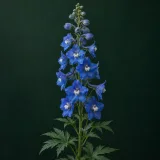
For a blue bouquet without dye, I would choose cornflowers for small blooms, delphinium for height, sea holly for texture or a blue hydrangea for volume. Grape hyacinths are an option for a small pot. A real flower can still be dyed: establish its species, shade and any added colour before choosing it.
How to care for a hydrangea in a pot
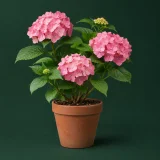
A bigleaf hydrangea needs bright light with light shade, moisture retained in its rootball and a freely draining pot. Protect it from harsh sun and check water more closely in heat. Keep healthy stems: many varieties form flowers on the previous year’s wood, which hard pruning can remove.
Guides to help with your decision
How to care for a bouquet when it arrives
Bouquet care on arrival: water, stem cutting, flower food and mixed flowers. What to check if it looks limp and how to keep the flowers still doing well.
Should you give a bouquet or a potted plant?
Choose between a bouquet and a plant according to space and care. Compare houseplants with a rose bush for Sainte-Catherine in France on 25 November.

Which flowers to give to someone with cats or dogs
Flowers for a home with cats or dogs: options to consider, checking the whole bouquet and precautions with lilies, holly and mistletoe at Christmas.
Frequently asked questions
Can hydrangeas work in a small bouquet?
You can request a small design but check how much space the available flower heads take up. Agree on the finished width and container. A bouquet with few stems can still occupy considerable space.
Does a potted hydrangea need the same care as a bouquet?
A rooted plant needs growing care suited to its species and cultivar. Keep the label and ask how to care for it in its destination. Vase and flower-food advice is for cut stems.
How can I tell whether a blue hydrangea will keep its colour?
Ask about the cultivar and growing conditions. The relationship with soil applies to certain hydrangea types and does not promise the same blue for every plant. For a bouquet agree on its colour when delivered.
Should I submerge the flowers if the bouquet arrives drooping?
First check the water and explain the change to the florist. Ask about treatment for the stems you received before submerging flowers or taking an arrangement apart. We cannot guarantee recovery with that remedy.
Can I give hydrangeas to someone who has cats or dogs?
If animals can reach them, choose another option and check the whole arrangement. Specific hydrangea species pose known risks. Do not infer safety from an image or from the gift being a potted plant.
Sources and what they support
- NC State Extension · Hydrangea macrophylla
Describes Hydrangea macrophylla forms, flowering on previous-year stems and cultivars reblooming on new growth; retains cat/dog risks. Does not identify the image’s cultivar or universalise local pruning dates.
- RHS · Hortensias arbustivas
Guides moisture, placement, compact container cultivars and pruning by species. Does not establish local stock or cut-stem care.
- RHS · Color de las hortensias
Links pH and aluminium availability to colour in certain Hydrangea macrophylla cultivars. Does not guarantee permanent blue colour or provide a vase treatment.
- Iowa State University Extension · Flor cortada
Recommends a clean vase, no submerged leaves, a fresh cut and flower food as directed. Check water daily and replace cloudy or smelly water. Does not promise a drooping hydrangea’s recovery.
- ASPCA · Hydrangea arborescens
Lists Hydrangea arborescens as toxic to cats and dogs. Advises contacting a veterinarian after possible ingestion. Its entry does not identify the gift’s species.
- RHS · Hydrangea pruning
Distinguishes deadheading rounded mopheads and flat lacecaps; leave heads over winter and cut above healthy buds in spring for the former. Do not transfer hard pruning of other species or UK timing to every climate.
- Iowa State Extension · Potted blooming hydrangea
Florist hydrangea: indoor forcing, moisture without standing water in pot covers and unreliable winter hardiness in Iowa. Do not generalise its disposal recommendation to all countries or promise outdoor adaptation.
- Iowa State Extension · Pruning hydrangeas
Distinguishes traditional macrophylla from cultivars flowering on old and new wood; wait for growth to recognise dead wood. Iowa timing and hardiness are not worldwide rules.
How we put these guides together
We review dates, care and recommendations to help you plan each gift.
Spotted something we should review? Contact Agenda Floral.