Guides
How to care for a Phalaenopsis orchid indoors
Care difficulty5 out of 10
Pay attention to watering and growing conditions.
Editorial guide, with suitable light and climate. 0: very easy; 10: very delicate. More stars mean more care.
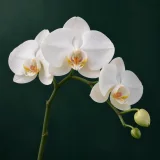
A Phalaenopsis needs a bright spot without strong sun, air around its roots and water that drains away. Water trapped in the decorative outer pot is a common source of trouble. Before adding more, check the bark, pot weight and roots. This guide covers common Phalaenopsis hybrids, not every orchid.
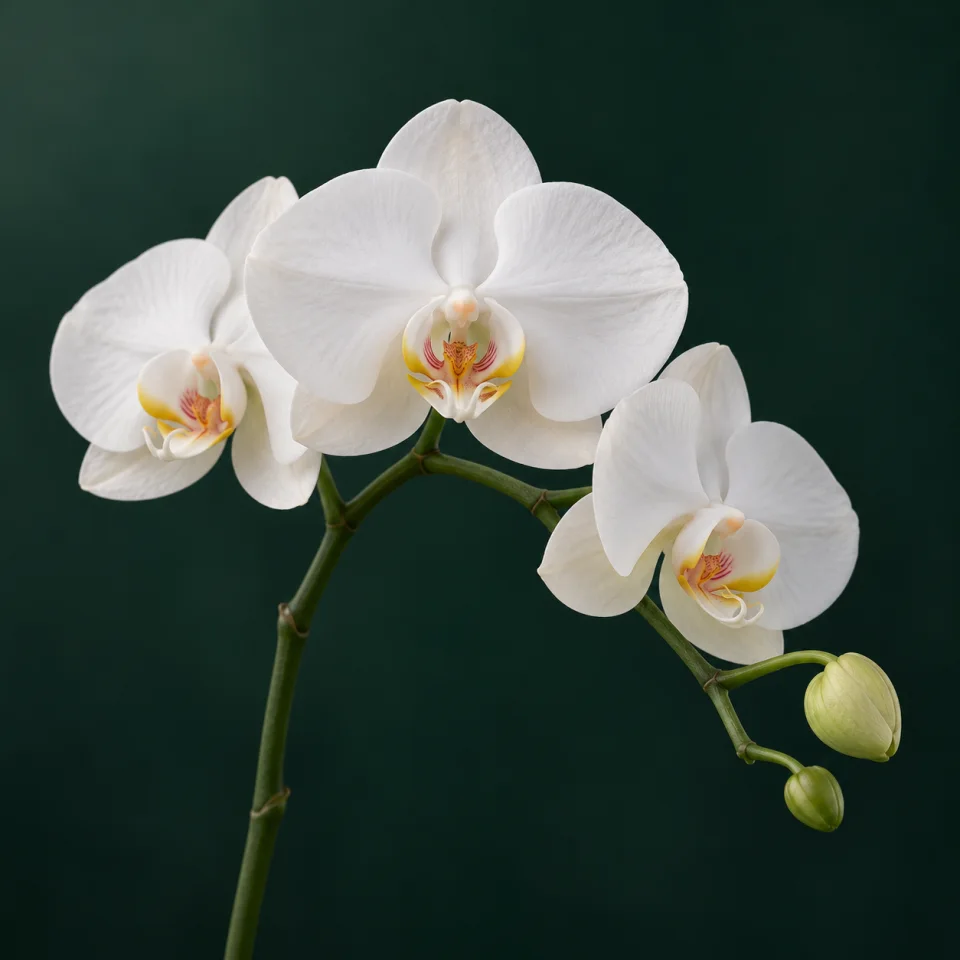
Botanical reference: Phalaenopsis
A place to live, not just look pretty
Keep it near a window with filtered light. If sun heats and scorches the leaves, use a curtain or move it back a little. Give it stable warmth above 16°C, away from radiators, air conditioning and cold draughts. More fertiliser cannot make up for a dark corner.
When and how to water
Do not water just because it is a particular weekday. Check that the bark is nearly dry and the pot feels lighter, without letting the roots dry out completely. In a clear pot, firm roots often change from green after watering to silvery as they dry; check moisture as well as colour. Remove the growing pot from its cover, wet the medium with tepid water in the morning and let it drain fully. Keep water out of the crown where the leaves meet. Carefully remove any that collects there.
Pot and growing medium: roots need air
Use a pot with drainage holes and an airy, bark-based orchid mix. A clear pot helps you see moisture. Ordinary multipurpose compost holds too much water for this method of growing. If yours came in moss, check inside before watering: it may still be wet beneath a dry-looking surface. The outer pot is decoration, not a water reservoir.
Feeding and repotting without doing everything at once
During growth, use orchid fertiliser at the dilution and frequency on its label. Extra feed will not repair damaged roots faster. Renew the medium when it breaks down and stays too wet, usually around two years. For a healthy plant, after flowering is convenient. Gently remove old bark and trim only dead, soft or hollow roots with a clean tool. Reuse the pot if the roots fit; it does not need an oversized pot or its aerial roots buried.
When the flowers fall
Finishing flowering does not mean the plant has died. Keep healthy leaves and roots. Remove a dry flower spike; if it stays green, you can cut above a healthy node to try for a side branch. You can also let the plant rest. Another flowering depends on its conditions and has no guaranteed date.
Wrinkled leaves, yellowing or falling buds
Wrinkled leaves can mean too little water or rotten roots that can no longer absorb it. Check the medium and roots first: if they are still wet and soft, do not add water to perk it up. Improve drainage and consider repotting. Sudden temperature or location changes can drop buds. One damaged leaf is not a diagnosis; if the problem spreads, take photos of roots and plant to a nursery.
Pests and pets at home
Check leaf undersides and joints for scale or mealybugs, which can look like little bumps or cotton. Separate an affected plant and get the pest identified before treating it; do not mix homemade products. Phalaenopsis is listed as non-toxic to dogs and cats, but it is not food. Prevent chewing, access to fertilised water and pots being pulled over.
A routine you can keep through the year
Check moisture, roots and leaves every few days; checking does not mean watering. Heat and growth can shorten the interval, while lower light can slow drying. Before going away, leave instructions and show the carer how to empty the outer pot. Do not leave the plant standing in water to cover an absence.
Which flowers to choose
Compare flowers to choose the format, colours and care that suit the occasion.
Guides to help with your decision
Which flowers to give for Three Kings’ Day in Spain
6 January 2027 is a Wednesday and a public holiday across Spain. Which flowers to give for Three Kings’ Day, when to buy them around the 5 January parade and plants that last.
Mother’s Day in Peru: which flowers to give and when to buy them
In Peru, Mother’s Day is the second Sunday in May: 9 May 2027. Roses, lilies or orchids, when to buy and a sample card message.
Which flowers to give to someone with cats or dogs
Flowers for a home with cats or dogs: options to consider, checking the whole bouquet and precautions with lilies, holly and mistletoe at Christmas.
How to care for lavender in an outdoor pot
Sun, drainage, watering and pruning for potted Lavandula angustifolia, including winter care and warning signs.
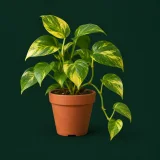
How to care for a pothos without overwatering it
Light, watering, pots, pruning and repotting for golden pothos, with practical problem checks and pet precautions.
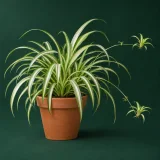
How to care for a spider plant and understand brown tips
Light, watering, roots, plantlets and dry leaf tips: what to check when caring for a spider plant at home without overdoing water or feed.
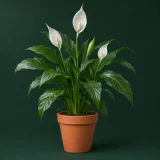
How to care for a peace lily without waterlogging its pot
Light, drooping leaves, watering, green spathes and repotting: practical peace lily care with precautions for children and pets.
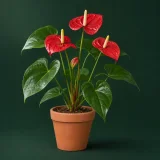
How to care for a potted anthurium and keep roots healthy
Light, watering, airy mix, spathes and brown leaves: practical flowering anthurium care with clear reasons and pet precautions.
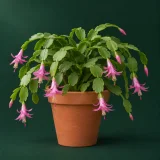
How to care for a Christmas cactus in a pot
Light, watering, buds and cuttings for Schlumbergera × buckleyi. Care for this forest cactus without treating it like a desert plant.
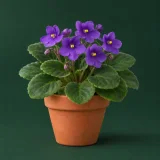
How to care for an African violet in a pot
Light, watering, velvety leaves and Saintpaulia cuttings. Keep air around roots without wetting the crown or trying to force flowers with extra feed.
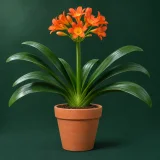
How to care for clivia in a pot
Light, watering, cool rest and Clivia miniata roots. Keep healthy leaves after flowering and learn when repotting is worthwhile.
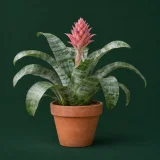
How to care for an Aechmea fasciata indoors
Light, central-cup water and root care for the silver vase plant, plus what to do with fading pink bracts and the pups that follow.
Lunar New Year flowers: plants, bouquets and delivery
Lunar New Year 2027 falls on Saturday 6 February. Choose a plant or bouquet, decide how many lucky bamboo stalks to order and plan the delivery.
Frequently asked questions
Should I cut roots growing outside the pot?
Not if they are firm and healthy. Aerial roots are part of its growth; do not force them into the medium.
Should I repot straight from the shop?
If it is healthy and the medium works, there is no need to repot automatically while it flowers. Check drainage and moisture first.
Sources and what they support
- RHS · Phalaenopsis
Light, temperatures above 16°C, drainage, bark, feeding and repotting; no guaranteed rebloom or universal watering interval.
- NC State Extension · Phalaenopsis
Identity, roots, medium and symptoms: wrinkling from dryness or damaged roots; scale, mealybugs and bud drop. Not a diagnosis from one photo.
- American Orchid Society · Phalaenopsis
Water when nearly dry without complete dehydration; keep crown dry and medium porous. Its wick setup is not a recipe for every pot.
- ASPCA · Phalaenopsis
Phalaenopsis non-toxic to dogs and cats; not edible or a guarantee for fertiliser and containers.
How we put these guides together
We review dates, care and recommendations to help you plan each gift.
Spotted something we should review? Contact Agenda Floral.