Guides
How to care for a pothos without overwatering it
Care difficulty2 out of 10
Pay attention to watering and growing conditions.
Editorial guide, with suitable light and climate. 0: very easy; 10: very delicate. More stars mean more care.
A pothos appreciates a bright room without strong sun and a pot that lets water drain away. It tolerates some shade, but that does not make a lightless corner a suitable home. Check the compost before watering: keeping it constantly wet can damage the roots. This guide covers Epipremnum aureum, not every plant sold as pothos.
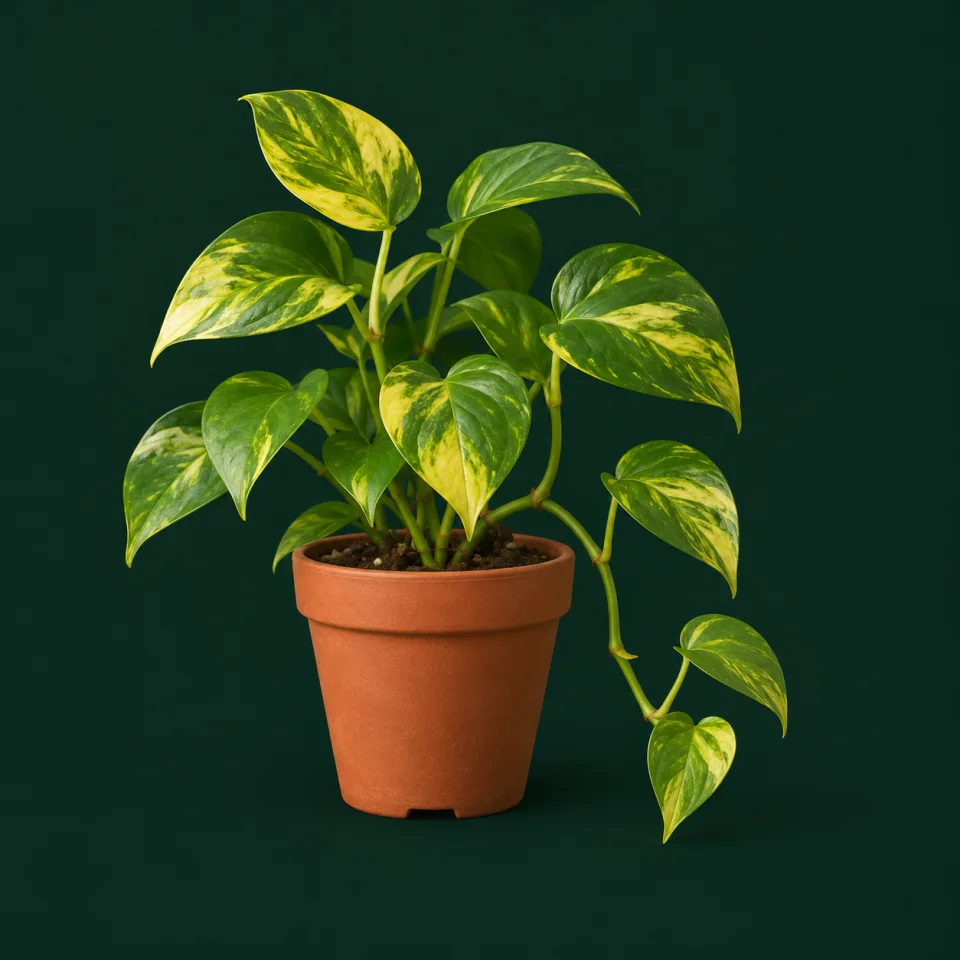
Botanical reference: Epipremnum aureum
Choose its spot before hanging it up
Place it near a window with indirect light, where you can reach the compost to check it. If stems become very long and leaves lose their markings, try more light while avoiding scorching sun. Stable temperatures around 18–30 °C support growth. Keep it away from radiators and cold draughts; a high shelf cannot make up for a dark room.
When to water: feel the compost and lift the pot
Check the top two centimetres of compost and the weight of the pot. If they are still damp and heavy, wait. Once the surface is dry and the rootball is starting to dry, water slowly until excess comes out below. Empty the saucer or outer pot afterwards. Do not wait for the whole plant to collapse or water again simply because yesterday was hot: the centre may still be wet.
A comfortable pot, not an enormous one
Use drainage holes and a houseplant potting mix that holds some moisture without becoming compacted. If water drains very slowly, inspect the holes and the condition of the mix. Treat a decorative outer pot as a cover. Keep the stem at its previous planting depth and avoid moving a small plant into a huge container, where compost can stay wet for too long.
Feed and repot when there is a reason
While new leaves and stems are growing, you can use houseplant fertiliser at the strength and interval on its label. More feed will not wake up a plant barely growing in poor light. Consider repotting when roots fill the container or the mix breaks down, often every two or three years. Move up only a little during a period of growth and loosen roots only as needed.
Pruning, support and clean leaves
Let stems trail or train them onto a stable support. To shorten them and encourage branching, cut just above a node, the joint where a leaf grows, using clean scissors. Wear gloves because the sap can irritate skin. Remove dead leaves and wipe dust off with a damp cloth, supporting each leaf. It needs neither leaf shine nor healthy roots cut off to force it into a pot.
Yellow leaves or brown tips: look before acting
An old leaf may turn yellow, but several changing at once deserve a check. If compost stays wet and roots are soft, adding water makes things worse; inspect drainage and damaged roots. Brown tips can also be linked to too little water or excess feed. Look beneath leaves and around nodes for scale bumps or cottony mealybugs. Separate the plant and identify the pest before treating it.
Pets and children: watch the trailing stems
Pothos is toxic to dogs and cats if chewed, and can irritate the mouth and skin in people. Keep leaves and lengthening vines out of reach. If that separation is not possible, I would choose another plant. For suspected ingestion, contact a vet or the appropriate medical service and keep the plant identification. Do not use home remedies.
Let light and seasons guide the routine
Check compost and leaves every few days without making every check a watering. With less light and growth it usually dries more slowly; hot conditions may mean checking more often. Before going away, show the carer how to test moisture and empty the saucer. Leave it somewhere bright, protected from strong sun, without a permanent bath of water to make up for your absence.
Guides to help with your decision

Which flowers to give to someone with cats or dogs
Flowers for a home with cats or dogs: options to consider, checking the whole bouquet and precautions with lilies, holly and mistletoe at Christmas.
How to care for a Phalaenopsis orchid indoors
Light, watering and roots: care for a Phalaenopsis pot, spot problems and keep the plant after flowering.
How to care for a Monstera deliciosa indoors
Light, watering, support, aerial roots and repotting for a Swiss cheese plant, with leaf-care checks and pet precautions.
How to care for a snake plant without keeping it wet
Light, watering, compost, repotting and leaf care for Dracaena trifasciata, with a simple routine and pet precautions.
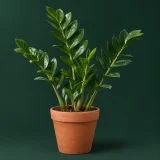
How to care for a ZZ plant without overwatering
Light, dry-between-waterings care, pots, feeding and yellow leaves: a practical ZZ plant guide with pet precautions.
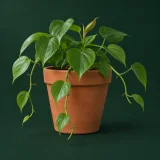
How to care for a heartleaf philodendron in a pot
Light, water, support, pruning and roots of Philodendron hederaceum: care for trailing stems without confusing it with pothos.
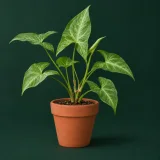
How to care for an arrowhead plant in a pot
Light, watering, potting mix and pruning for Syngonium podophyllum, with help choosing between trailing stems and a climbing support.
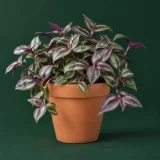
How to care for Tradescantia zebrina in a pot
Light to keep its stripes, measured watering and trimming for a fuller zebrina. Renew long stems without unnecessarily disturbing the roots.
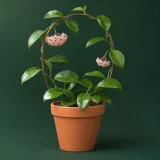
How to care for Hoya carnosa in a pot
Light, watering and an airy potting mix for the wax plant. Train its stems and keep the flower spurs that can bloom again.
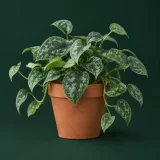
How to care for a satin pothos indoors
Light, watering and root care for Scindapsus pictus, with trailing or climbing options and a clear explanation of cuttings that include a node.
Frequently asked questions
Can pothos live in a bathroom without a window?
Without enough natural light, this is not a good permanent spot. Choose a bright room: tolerating some shade does not mean living in darkness. A humid room is no reason to keep the compost soaked either.
Can one loose leaf grow into a new pothos?
Use a piece of stem containing a node, rather than a leaf alone. You can stand the node in water with the leaf above it, then move it into draining compost once roots develop. Wear gloves and keep it away from children and pets; rooting has no guaranteed deadline.
Sources and what they support
- RHS · Epipremnum
Indirect light, 18–30 °C for good growth, draining medium, drying before watering, proportionate repotting and pruning/node cuttings. No universal watering interval.
- University of Wisconsin Extension · Pothos
Epipremnum aureum identity, filtered light, surface drying, root/tip problems and pests. Air-purification claims are not used as a household benefit.
- ASPCA · Golden pothos
Toxic to dogs and cats through insoluble oxalates; contact a vet for suspected ingestion. No safe quantity established.
How we put these guides together
We review dates, care and recommendations to help you plan each gift.
Spotted something we should review? Contact Agenda Floral.