Guides
How to care for a snake plant without keeping it wet
Care difficulty2 out of 10
Pay attention to watering and growing conditions.
Editorial guide, with suitable light and climate. 0: very easy; 10: very delicate. More stars mean more care.
A snake plant stores water in its fleshy leaves and benefits from drying between waterings. Give it light, drainage and a pot you can check before adding water. This guide covers Dracaena trifasciata, also called Sansevieria trifasciata or mother-in-law’s tongue. Its resilience allows some flexibility, but does not protect it from constantly wet roots or a room without light.
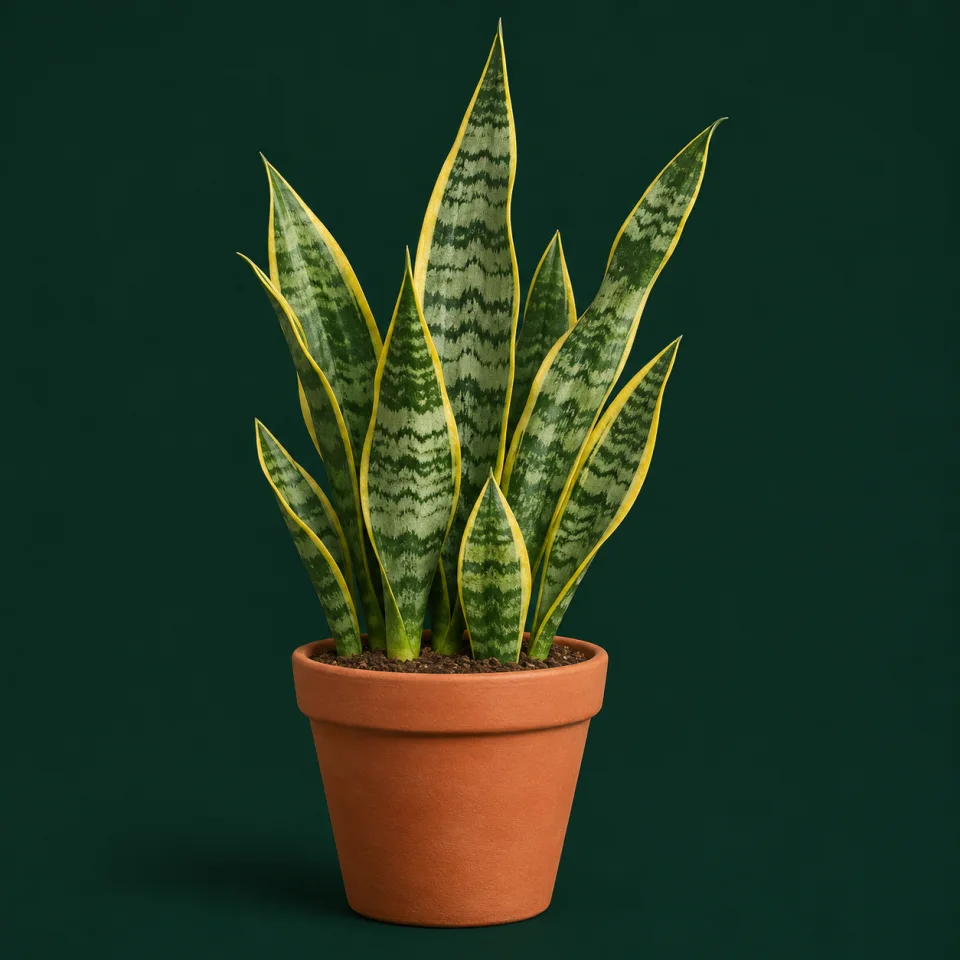
Botanical reference: Dracaena trifasciata (Sansevieria trifasciata)
A bright spot without cold draughts
Choose a room with natural light and acclimatise it gradually if it will receive more sun than before. Avoid fierce midday sun through very hot glass. Stable temperatures around 15–24 °C are favourable. Keep it away from cold draughts and radiators; tolerating some shade does not make a windowless corridor a good permanent home.
Wait for drying before watering
Feel below the compost surface and lift the pot. If it is damp inside or still heavy as after watering, wait. When the mix is dry, water it slowly without filling the centre of the leaves, then let excess drain below. Empty the saucer or outer pot. Frequent little glasses of water can keep roots damp without you noticing; they are not a useful routine.
The pot matters as much as the watering can
Use clear drainage holes and a cactus or succulent mix that drains well. Compacted garden soil or a closed container makes drying difficult. A heavier pot can stabilise tall leaves, but still needs an outlet. With a decorative cover, take the growing pot out to water and return it once it has finished draining.
When to repot and how much to feed
It needs neither a huge pot nor repotting simply because it has arrived home. Check roots if they fill the space, distort the container or the mix loses structure. During growth, move only a little larger and keep the base at its previous height. With new leaves, you can use cactus or houseplant fertiliser according to its label. Extra feed does not wake a resting plant.
Clean leaves and use scissors only as needed
Wipe dust off with a slightly damp cloth, supporting the leaf so it does not bend. It needs no regular shaping or leaf shine. A badly damaged leaf can be removed at the base with clean tools and gloves because the sap irritates skin. Keep healthy leaves. If flowers appear, remove the stalk when dry without pulling the clump; no flowers does not mean poor care.
Soft, wrinkled or falling leaves
If several leaves fall and their bases are soft in wet compost, check roots and drainage before watering again. Wrinkling can also relate to dehydration, so feel the mix rather than deciding from leaf shape alone. Inspect between leaves and underneath for cottony mealybugs or mite signs. Separate a plant with suspected pests and identify the problem before treating it.
Keep it out of pets’ reach
It is toxic to dogs and cats if eaten. Keep leaves and clippings away from animals and children; pointed tips also need room away from passing people. For suspected ingestion, contact a vet or appropriate medical service and keep the plant name. Do not try home remedies or describe small amounts as safe.
Less water at rest and during time away
With less light or growth it can take much longer to dry. Check occasionally, but water by real moisture rather than a new month on the calendar. It needs no misting in an ordinary room. Before leaving, explain how to check compost and empty the container. Do not submerge it or give extra water while still damp. A carer should feel comfortable deciding that today is not a watering day.
Guides to help with your decision
Which flowers to give to someone with cats or dogs
Flowers for a home with cats or dogs: options to consider, checking the whole bouquet and precautions with lilies, holly and mistletoe at Christmas.
How to care for a pothos without overwatering it
Light, watering, pots, pruning and repotting for golden pothos, with practical problem checks and pet precautions.
How to care for a ZZ plant without overwatering
Light, dry-between-waterings care, pots, feeding and yellow leaves: a practical ZZ plant guide with pet precautions.
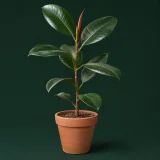
How to care for a rubber plant in a pot
Light, watering, yellow leaves, repotting and sap: practical rubber plant care with simple checks for your home.
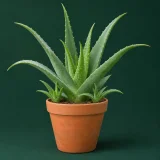
How to care for aloe vera in a pot
Light, watering, potting mix and aloe offsets. Learn when the plant needs water and how to tell dry leaves from a damaged base.
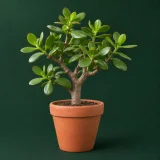
How to care for a jade plant in a pot
Light, watering, a stable pot and Crassula ovata cuttings. Tell a thirsty plant from roots that have stayed too wet.
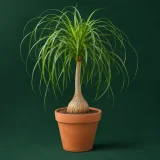
How to care for a ponytail palm in a pot
Bright light, watering after drying and the right pot for Beaucarnea recurvata. Deal with brown tips and prepare the plant for time away.
How to care for a Madagascar dragon tree indoors
Light, watering, water quality and repotting for Dracaena marginata, with practical checks for brown tips, falling leaves and healthy leafy crowns.

How to care for lucky bamboo in water or soil
Lucky bamboo care for Dracaena sanderiana: light without direct sun, water level and changes, free-draining soil, dilute feeding, yellow stems, spirals and pets.
Frequently asked questions
Are Dracaena trifasciata and Sansevieria trifasciata different plants?
They are names used for the same species. Check the variety and mature size too: some forms are tall and others compact. This guide focuses on trifasciata, not every cylindrical- or broad-leaved plant sold as a snake plant.
Must I make it flower to know it is healthy?
No. Indoors it is mainly grown for foliage and may go a long time without flowering. Look for firm leaves, healthy bases and suitable conditions. Do not add more feed or water to force a flower stalk.
Sources and what they support
- RHS · Sansevieria
Light, household conditions around 15–24 °C, draining cactus mix, watering after drying and emptying trapped water, modest feeding and pruning only as needed. No universal months or intervals.
- NC State Extension · Dracaena trifasciata
Accepted name and synonym Sansevieria trifasciata, fleshy leaves, drainage, drying, lower winter water use and mealybug/mite checks. Low-light tolerance is not darkness or invulnerability.
- ASPCA · Snake Plant
Toxic to dogs and cats through saponins, under synonym Sansevieria trifasciata; contact a vet for suspected ingestion. No safe dose established.
How we put these guides together
We review dates, care and recommendations to help you plan each gift.
Spotted something we should review? Contact Agenda Floral.