Guides
How to care for aloe vera in a pot
Care difficulty3 out of 10
Pay attention to watering and growing conditions.
Editorial guide, with suitable light and climate. 0: very easy; 10: very delicate. More stars mean more care.
Give aloe vera a very bright spot and let the mix dry between waterings. Then water the soil thoroughly and drain: its leaves store water, so it does not need a permanently full saucer. Choose drainage holes and a proportionate pot. You can separate offsets once they have their own roots. Keep it away from dogs and cats: the plant is toxic if eaten.
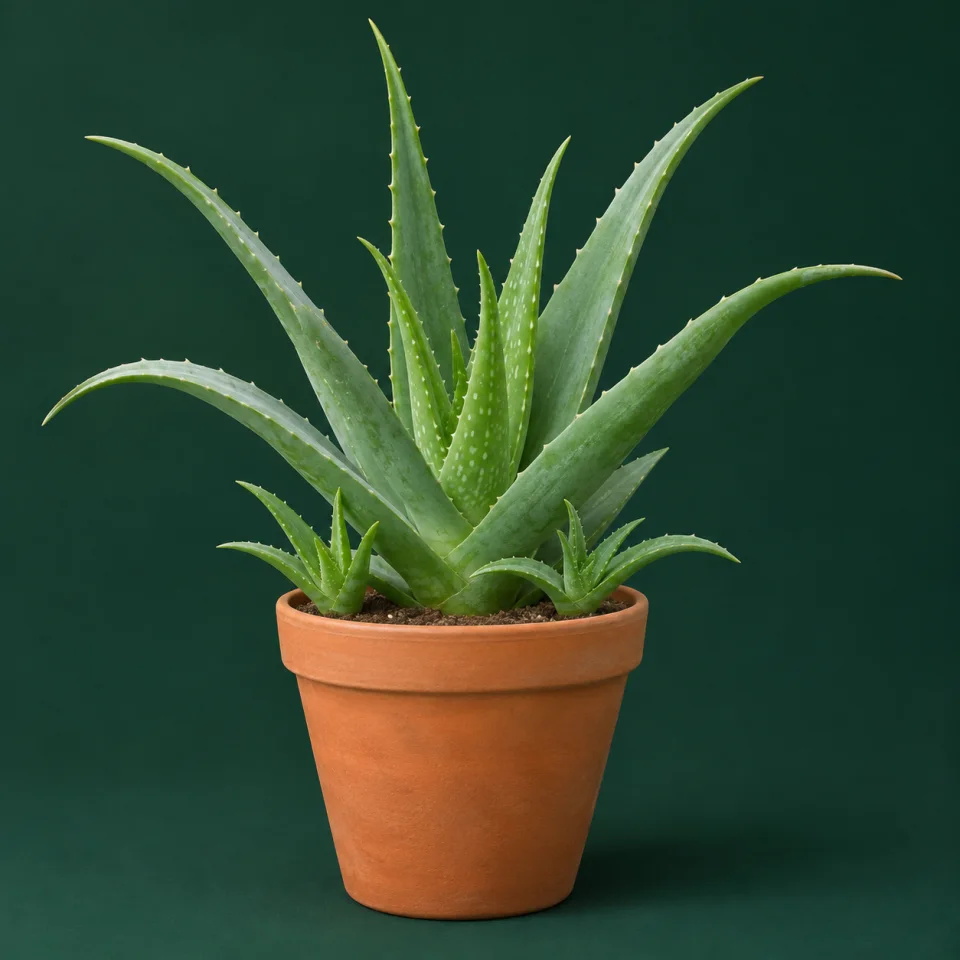
Botanical reference: Aloe vera
An aloe with room to grow
This guide covers Aloe vera, also labelled Aloe barbadensis. Its rosette of fleshy, finely toothed leaves can spread through offsets. Choose a stable pot and somewhere the tips will not brush people passing by. Aloes differ, and a small plant will not necessarily stay small. This is ornamental care, without homemade juices or treatments.
Plenty of light, introduced gradually
Choose a bright window position. Aloe can receive sun, but a shade-grown plant needs gradual adjustment before strong exposure; glass can make scorching a problem too. If growth stretches and loses shape, check light before adding feed. Avoid cold draughts and frost. It can go outside in mild weather, with shelter before cold or rain that leaves the pot soaked.
Check the mix before reaching for water
Look beyond the dry surface: feel a few centimetres down and lift the pot to check whether it is lighter. Wait until the mix dries, then water the soil slowly until it drains and empty any surplus. Avoid daily sips, water trapped in the centre and misting leaves. Cool conditions and slow growth reduce demand; no watering interval suits every home.
A pot that actually drains
Use an airy cactus and succulent mix with clear drainage holes. Check the bottom of any decorative outer pot after watering. When roots are crowded or the mix deteriorates, repot during growth into a container only slightly larger. Keep leaf bases above the soil. An oversized pot or stone layer cannot fix compacted medium.
Feed lightly and keep healthy leaves
If the plant is growing and needs nutrients, use suitable succulent feed according to the label and nutrients already in the mix. Reduce or pause during slow growth. It needs no shaping prune: remove genuinely dry or damaged leaves with a clean tool rather than trimming healthy tips for appearance. Indoor flowering depends on conditions and is not a compulsory sign of good health.
Separate offsets with roots of their own
For another plant, wait until an offset has its own leaves and roots. During repotting, carefully separate its connection using a clean tool if needed, retaining roots on both plants. Give it a small container with draining mix and moderate water while it establishes. Propagation is optional. Burying a cut leaf is not the same reliable route as separating an established offset.
Leave soil-based instructions while away
Check whether it actually needs water before leaving. Avoid improvised reservoirs or a deep full saucer just in case. Show anyone helping how the pot feels when light and the mix when dry. Keep a stable bright position rather than moving it into a dark room. Time without water varies with temperature, size and roots.
Soft leaves do not always mean thirst
Wrinkled leaves may need water, but softness with damp soil and a darkening base calls for root and drainage checks first. Look for mealybugs in leaf joints; separate an affected plant before choosing treatment. Wear gloves around teeth or sap. Keep plant and trimmings away from children and pets. If an animal may have eaten it, contact a vet promptly without trying home remedies.
Guides to help with your decision
Which flowers to give to someone with cats or dogs
Flowers for a home with cats or dogs: options to consider, checking the whole bouquet and precautions with lilies, holly and mistletoe at Christmas.
How to care for a snake plant without keeping it wet
Light, watering, compost, repotting and leaf care for Dracaena trifasciata, with a simple routine and pet precautions.
How to care for a kalanchoe in a pot
Light, water, flowers and Kalanchoe blossfeldiana cuttings. Allow drying between waterings and keep the plant after flowering. Toxic to pets.
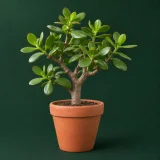
How to care for a jade plant in a pot
Light, watering, a stable pot and Crassula ovata cuttings. Tell a thirsty plant from roots that have stayed too wet.
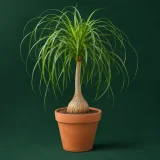
How to care for a ponytail palm in a pot
Bright light, watering after drying and the right pot for Beaucarnea recurvata. Deal with brown tips and prepare the plant for time away.
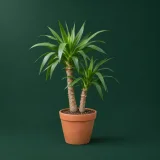
How to care for a spineless yucca indoors
Strong light, drying between waterings and a stable pot for Yucca gigantea, also sold as elephantipes. Practical care for leaves, stems and roots.
Frequently asked questions
Why does it turn brown after moving into sun?
Sudden exposure can scorch leaves even on a light-loving aloe. Check whether damage followed a move and whether tissue is dry or soft with damp soil. Acclimatise gradually and review watering. More water cannot restore the appearance of already damaged tissue.
Must I remove every offset?
No. A clump can stay together if there is space and the mix dries reasonably. Separate offsets when crowded or when you want another pot, preferably with roots of their own. Avoid routinely tearing away tiny offsets or replacing space with extra feed.
Sources and what they support
- RHS · Aloe vera
Identity and Aloe barbadensis synonym, light, porous mix, growth-dependent watering, offsets and ingestion risk. UK months, feed doses and cold tolerance are not universal household rules.
- NC State Extension · Aloe vera
Succulent rosette, drying between waterings, drainage holes, division and overwatering damage. No age-based flowering promise, pest immunity, medicinal use or food safety claim.
- Iowa State Extension · Propagating succulents
Aloe offsets can be separated with leaves and their own roots into draining medium. Methods depend on the genus; a cut leaf is not promised to produce another aloe.
- ASPCA · True Aloe
Aloe barbadensis, a synonym of Aloe vera, is toxic to dogs and cats. Seek veterinary advice for possible ingestion; no safe dose, homemade gel or remedies.
How we put these guides together
We review dates, care and recommendations to help you plan each gift.
Spotted something we should review? Contact Agenda Floral.