Guides
How to care for a jade plant in a pot
Care difficulty3 out of 10
Pay attention to watering and growing conditions.
Editorial guide, with suitable light and climate. 0: very easy; 10: very delicate. More stars mean more care.
Jade plants need plenty of light and porous mix that can dry between waterings. Check moisture below the surface and pot weight before watering thoroughly and draining. Leaves store water, but the plant cannot live without it. Use a stable container for the weight of its branches and protect from frost. It is toxic to dogs and cats.
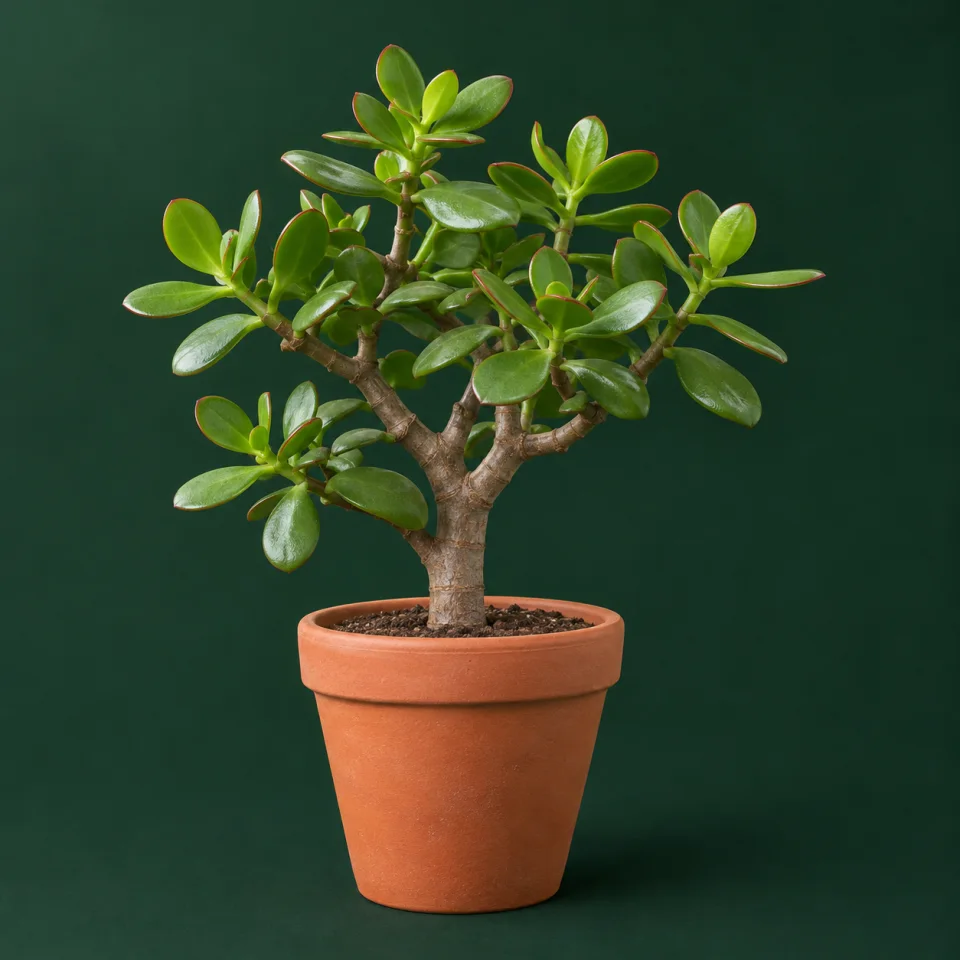
Botanical reference: Crassula ovata
Recognise jade and allow room for branches
This guide covers Crassula ovata, a succulent shrub with paired fleshy oval leaves and branches that thicken with age. Some cultivars have tubular leaves or different colours; keep the label. Choose somewhere branches will not be knocked by passing people. A mature stem can turn brown and firm without rotting.
Plenty of light, with a gradual move into sun
Place it near a very bright window. Sun can suit an acclimatised plant; moving from a dark corner straight into harsh sun can burn leaves. Long weak stems call for a light check. Shelter an outdoor plant before frost after any mild-weather stay. It does not need a humid room or misting as a substitute for watering.
Water after checking dryness rather than a calendar
Feel below the surface and lift the pot. Once the mix has dried, moisten the rootball slowly and empty excess water. Do not repeat while the pot remains heavy and damp. Demand rises in growth and falls in cool, less active conditions. Tolerance is not a reason to impose weeks of drought: leaves can fall and the plant can suffer if never watered.
A draining container that will not tip
Use porous cactus or succulent mix, clear drainage holes and a proportionate pot with a stable base. A huge pot of wet soil is unsuitable for small roots. Repot when space is genuinely lacking, medium deteriorates or the plant becomes unbalanced, preferably as growth starts. Retain planting depth, handle roots gently and adjust water as it establishes.
Moderate feed during growth
If nutrients are needed, use suitable diluted feed at label rates and account for fertiliser already in the mix. Avoid combining schedules or feeding a wet, struggling plant to provoke recovery. Reduce or stop when growth pauses. Gently wipe dust from leaves so they receive light, without leaf shine products or constant showers.
Prune only for a useful shape
There is no compulsory haircut. If a branch gets in the way or unbalances the canopy, cut above a branch junction with a clean tool, without stripping the whole plant. Correct its position too if low light caused stretching. Small pale flowers are possible but uncommon in many homes. Healthy leaves and stems are worthwhile without forcing darkness, cold or thirst for blooms.
Healthy cuttings start with a healed wound
Use a healthy stem or a whole leaf retaining its base. Leave the cut in a dry airy place until the wound heals rather than planting it freshly wet. Set the base in a very draining, fairly dry mix with brightness away from harsh sun. Add water cautiously as it develops. A leaf must produce a new plant; roots or a miniature tree cannot be promised by a given date.
Inspect leaves and the base before treatment
Wrinkled leaves can accompany thirst or roots damaged by excess water. If the mix is wet and the base softens, more water will not help. Examine roots and drainage and look for mealybugs between leaves and branches. Separate affected plants and use only succulent-suitable products according to the label. Keep leaves and trimmings away from pets. Seek prompt veterinary advice for possible ingestion without waiting for symptoms or trying home remedies.
Guides to help with your decision

Which flowers to give to someone with cats or dogs
Flowers for a home with cats or dogs: options to consider, checking the whole bouquet and precautions with lilies, holly and mistletoe at Christmas.
How to care for a snake plant without keeping it wet
Light, watering, compost, repotting and leaf care for Dracaena trifasciata, with a simple routine and pet precautions.
How to care for aloe vera in a pot
Light, watering, potting mix and aloe offsets. Learn when the plant needs water and how to tell dry leaves from a damaged base.
How to care for a Pachira money tree in a pot
Light, watering without trapped water, repotting and pruning Pachira aquatica. Check leaf loss and look after a braided trunk.
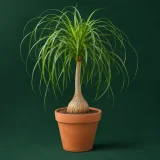
How to care for a ponytail palm in a pot
Bright light, watering after drying and the right pot for Beaucarnea recurvata. Deal with brown tips and prepare the plant for time away.
Frequently asked questions
Can I leave it alone during a holiday?
It tolerates a dry interval better than many thin-leaved plants, but duration depends on heat, pot and condition. Check before leaving and water only if needed, allowing drainage. If help is necessary, explain the soil and weight checks. Avoid leaving it in water or hiding it in darkness to reduce demand.
Is it the same money tree as Pachira?
No. The common name is used for different plants. Crassula ovata is the succulent-leaved jade; Pachira is another genus with different foliage. Check the label and botanical name before transferring care advice. Portulacaria afra is a different species too.
Sources and what they support
- Wisconsin Extension · Jade Plant, Crassula ovata
Identity, opposite leaves, light/acclimatisation, drying between thorough waterings, roots and container balance, optional pruning and healed cuttings. No guaranteed weeks, routine root pruning, remedies or forced bloom.
- RHS · Crassula ovata
Species/synonyms, succulent habit, full light, cactus mix and less water at rest. Slightly moist growth advice compared with Wisconsin/NC: checked drying without extreme drought; no fixed feeding calendar or UK months.
- NC State Extension · Crassula ovata
Identity and argentea synonym, light, water after drying, excess/rot, pests and uncommon indoor flowering. Local outdoor shade or ground hardiness is not transferred to every pot.
- ASPCA · Jade Plant
Toxic to dogs and cats under Crassula argentea, a checked synonym of C. ovata. Veterinary advice for possible ingestion, without safe dose or home treatments.
How we put these guides together
We review dates, care and recommendations to help you plan each gift.
Spotted something we should review? Contact Agenda Floral.