Guides
How to care for a heartleaf philodendron in a pot
Care difficulty3 out of 10
Pay attention to watering and growing conditions.
Editorial guide, with suitable light and climate. 0: very easy; 10: very delicate. More stars mean more care.
A heartleaf philodendron needs indirect light, gentle warmth and water once the upper mix has dried. Let it drain and empty the saucer. Allow stems to trail or guide them onto a support without tight ties. Leaves and sap can irritate: keep it out of reach of children and animals.
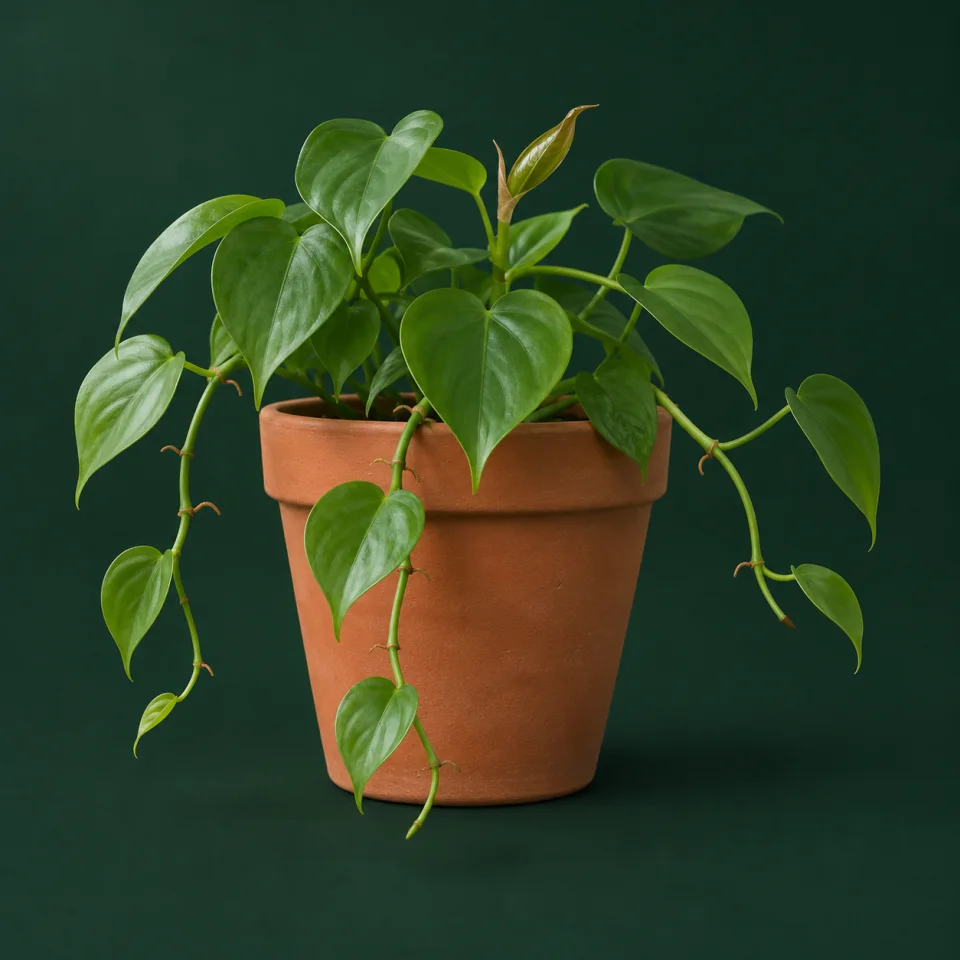
Botanical reference: Philodendron hederaceum
Check which philodendron you have
Look for Philodendron hederaceum, sometimes labelled scandens or oxycardium. Simple heart-shaped leaves grow on stems with nodes and small aerial roots. Resembling pothos is not enough for identification. This guide covers the usual green form without borrowing other philodendrons’ colours or sizes. Choose firm stems, healthy leaves and space where vines will not block a walkway.
Daylight without harsh sun through glass
Provide natural indirect light, avoiding intense sun that scorches leaves. It tolerates lower light, but darkness tends to produce longer stems and smaller leaves. A windowless room is unsuitable. Aim to keep it above 15°C, away from radiators and cold draughts. Change exposure gradually rather than moving straight from a shaded shelf to full sun.
Feel the mix before watering
Check the surface, just below it and pot weight. When the top is dry, water slowly through the rootball and allow drainage through holes. Empty the saucer or outer pot. Neither dry every root nor keep the mix permanently wet. Lower light or slower growth reduces water use. If foliage droops in moist soil, inspect drainage and roots before adding more.
An airy mix and a sensible pot
Use quality houseplant or aroid mix holding some moisture while draining freely. The container needs holes and enough stability for plant and support. When roots fill the space or watering becomes hard to manage, repot during active growth into a modestly larger pot. Preserve depth and healthy roots; a huge container does not correct poor watering and may stay wet too long.
Trailing or climbing with stems supported
It can trail from a secure shelf; on a support, use soft loose ties. Keep vines away from radiators and doors that could trap them. Do not pull attached roots to reposition it. If a stem outgrows its space, cut with clean tools just above a node on the plant you retain. Wear gloves and collect trimmings so nobody chews them.
Feed and clean without forcing growth
Feed moderately during growth according to the label and nutrients already in the mix. Do not combine products or double doses to suddenly fill a bare vine. Feed cannot fix inadequate light or damaged roots. Wipe dust with a soft damp cloth, supporting leaves. Moving away from heating airflow is often more useful than daily misting without checking conditions.
Yellow leaves, dry tips or pests
One old leaf may yellow naturally; several together need checks of water, light, cold and roots. Dry margins or long stems are not a single diagnosis. Inspect undersides and nodes for mites, mealybugs or aphids. Isolate confirmed pests and choose an appropriate measure. A soft stem in saturated mix calls for checking roots rather than only cutting off an unsightly leaf.
Time away and safety at home
Leave instructions to check moisture and empty the saucer, not fixed watering days. Keep a bright warm position. It is toxic to dogs and cats; oxalate crystals can irritate the mouth when chewed, and sap may irritate skin. Hanging it does not protect a cat that can reach it. Keep trimmings and feeds out of reach. Contact your vet for suspected ingestion; avoid home remedies.
Guides to help with your decision

Which flowers to give to someone with cats or dogs
Flowers for a home with cats or dogs: options to consider, checking the whole bouquet and precautions with lilies, holly and mistletoe at Christmas.
How to care for a pothos without overwatering it
Light, watering, pots, pruning and repotting for golden pothos, with practical problem checks and pet precautions.
How to care for a Monstera deliciosa indoors
Light, watering, support, aerial roots and repotting for a Swiss cheese plant, with leaf-care checks and pet precautions.
How to care for an arrowhead plant in a pot
Light, watering, potting mix and pruning for Syngonium podophyllum, with help choosing between trailing stems and a climbing support.
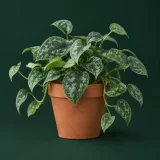
How to care for a satin pothos indoors
Light, watering and root care for Scindapsus pictus, with trailing or climbing options and a clear explanation of cuttings that include a node.
Frequently asked questions
Will a leaf alone in water make a new plant?
A cutting needs a section of stem containing a node, not only a leaf and its stalk. Cut below that node with clean tools and gloves, keeping foliage above water. Roots may form without a guaranteed timetable; moving into mix requires adjustment.
Why are the vines long with few leaves?
Check light and how the plant has grown; extra feed does not automatically cover old bare sections. Gradually improve its position and prune thoughtfully to encourage new shoots, without promising every node will fill again.
Sources and what they support
- RHS · Growing philodendrons
Indirect light, surface drying, drainage, support/pruning, stem cuttings and irritating sap. Sizes and needs of other philodendrons are not applied to this species.
- NC State Extension · Philodendron hederaceum
Identity, scandens/oxycardium synonyms, alternate heart-shaped leaves, aerial roots and oxalates. Not pothos; low-light tolerance is not advice to keep it in darkness.
- Iowa State University · Philodendron care
Hederaceum trailing or climbing, moisture without saturation, light feeding and proportionate repotting. No fixed monthly interval or universal months.
- ASPCA · Cordatum (Philodendron oxycardium)
Profile under oxycardium, a synonym checked with NC State: toxic to dogs/cats through insoluble oxalates. Its common-name list does not identify other species.
How we put these guides together
We review dates, care and recommendations to help you plan each gift.
Spotted something we should review? Contact Agenda Floral.