Guides
How to care for lavender in an outdoor pot
Care difficulty4 out of 10
Pay attention to watering and growing conditions.
Editorial guide, with suitable light and climate. 0: very easy; 10: very delicate. More stars mean more care.
For lavender to do well in a pot, give it direct sun and a real outlet for water. It is neither a typical living-room plant nor a plant that never needs watering. This guide covers Lavandula angustifolia; other lavenders tolerate cold differently. Check its label before choosing a winter position.
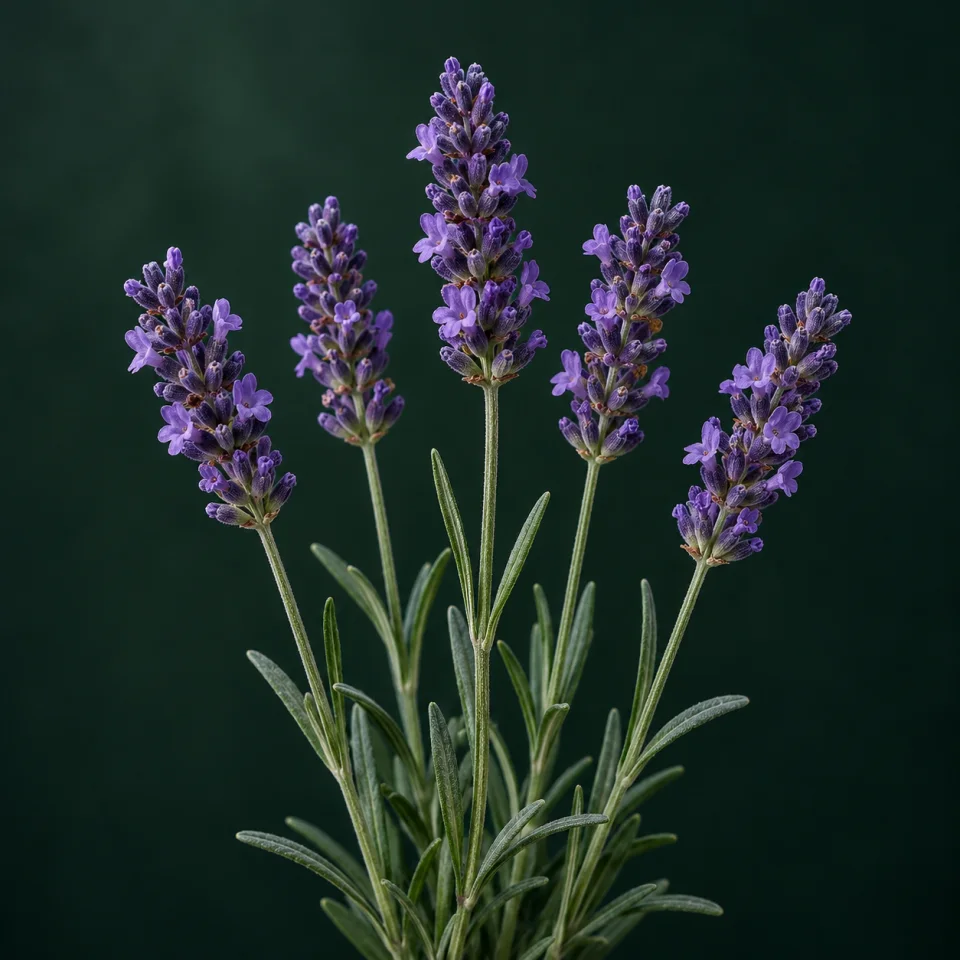
Botanical reference: Lavandula angustifolia
Look at the balcony first
It needs a sunny, airy position. If your balcony stays shaded most of the day, I would choose another plant. Allow space for the variety’s mature size rather than crowding pots together. A plant raised under protection needs gradual exposure to strong sun, not an abrupt move onto a scorching terrace.
The pot must let water escape
Choose large drainage holes that stay clear and a freely draining mix. For a developed plant, a pot around 30–40 cm across is a useful reference, adjusted to variety and roots. A container mix with coarse mineral grit helps prevent compaction. Keep the base of the stems at its previous level and empty the saucer after watering; an ornamental pot without an outlet is not enough.
Watering a pot differs from watering a garden shrub
Check below the surface and feel the pot’s weight. When the medium starts drying, water the soil and let it drain; do not keep it permanently damp or wait for the whole plant to collapse. Newly planted lavender needs attention while establishing. In summer a pot can dry much faster than garden soil: drought tolerance does not remove its need for water. In cold weather with less growth, check before adding more.
Feeding and repotting without excess
Lavender suits relatively poor soil and usually needs no routine feeding. Do not keep adding fertiliser to force more flowers. If roots fill the pot or the medium loses structure, consider a slightly larger container. Choose mild conditions with growth ahead, avoiding frost or extreme heat. Keep the same planting depth and water to settle the fresh mix without leaving standing water.
Prune without cutting into bare wood
After flowering, remove spent spikes and lightly trim leafy growth to keep its shape. Do not cut back into old leafless stems expecting hedge-like regrowth: lavender struggles to shoot from that wood. Match the timing to the end of flowering and cold weather in your area: the right month depends on your climate.
Prepare for winter too
Lavandula angustifolia tolerates more cold than some other lavenders, but pot roots have less insulation than roots in the ground. Choose a sheltered outdoor spot and keep relentless rain from saturating it; check drainage after storms. If your climate exceeds the variety’s hardiness, suitable protection is needed. A hot, dark living room is not a substitute for bright, cool shelter.
What to check if it yellows or wilts
If it wilts in wet medium, do not water automatically. Check holes, trapped water and roots: excess moisture encourages rot. A very dry, light pot can instead mean water shortage. Shade can produce weak growth and few flowers. For spots or insects, separate it if possible and seek identification using photos; do not apply homemade mixtures blindly.
Pets and a simple routine
Lavender can be toxic if dogs or cats eat it. Keep it out of reach and contact a vet if you suspect ingestion. Scent does not make an ornamental plant edible. Check moisture and drainage, remove spent flowers and keep air and sun available. Before going away, arrange someone to check the medium; leaving it in a bucket of water is not a care plan.
Which flowers to choose
Compare flowers to choose the format, colours and care that suit the occasion.
Guides to help with your decision

Which flowers to give to someone with cats or dogs
Flowers for a home with cats or dogs: options to consider, checking the whole bouquet and precautions with lilies, holly and mistletoe at Christmas.
How to care for a Phalaenopsis orchid indoors
Light, watering and roots: care for a Phalaenopsis pot, spot problems and keep the plant after flowering.
How to care for a zonal geranium in a pot
Sun, water, feeding, pruning and winter care for zonal pelargoniums, with pest checks and a practical balcony routine.
How to care for petunias in pots and window boxes
Sun, watering, feeding and spent flowers for garden petunias, with variety differences and end-of-season care.
How to care for star jasmine in a pot
Light, water, support and cold protection for potted Trachelospermum jasminoides. Care for foliage and flowering without waterlogging.
How to care for a bougainvillea in a pot
Sun, watering, support, pruning and cold protection for Bougainvillea glabra on a terrace. Protect its roots without forcing drought for colour.
How to care for rosemary in a pot
Sun, water, drainage, pruning and cold protection for Salvia rosmarinus. Keep your rosemary leafy without soaking roots or cutting into bare old wood.
How to care for thyme in a pot
Sun, water, pruning, cuttings and winter rain for Thymus vulgaris. Protect its roots and pick sprigs without stripping the plant.
How to care for winter heath in a pot
Water, light, potting medium and pruning for Erica carnea. Keep the rootball from drying out and avoid cutting into bare old wood.
How to care for an oleander in a pot
Sun, watering, pruning and winter shelter for Nerium oleander on a patio, with practical care for its roots and safe handling of a poisonous plant.
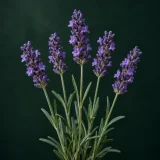
Sant Ponç in Barcelona: choosing a small herb or flower gift
Visit the Carrer de l’Hospital fair and distinguish cut bunches, dried material and rooted plants before choosing a botanical gift.
How to care for grey-leaved euryops in a pot
Sun, watering, drainage, pruning and winter care for Euryops pectinatus. Keep the shrub manageable and distinguish it from other yellow daisies.
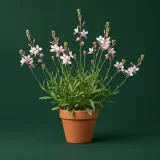
How to care for gaura in a pot
Sun, roots, watering, pruning and winter rain for Oenothera lindheimeri. Maintain its flower stems without confusing drought tolerance with freedom from care.
Frequently asked questions
Can it live indoors?
This guide treats it as a sunny outdoor plant. A dim room does not provide the same conditions; choose a suitable houseplant for that space.
Should I cut a bare base right back?
Do not cut leafless wood blindly. Check for living growth; a very old plant may not regain a compact shape.
Sources and what they support
- RHS · Lavender
Sun, drainage, containers, pot watering, little feeding, pruning above old wood and winter protection. British months are not a global calendar.
- NC State Extension · Lavandula angustifolia
Identity, sun and very free drainage; overwatering rot, spots and airflow. No hardiness guarantee for every cultivar or pot.
- ASPCA · Lavender
Lavender listed toxic to dogs and cats; contact a vet for suspected ingestion. No home remedies prescribed.
How we put these guides together
We review dates, care and recommendations to help you plan each gift.
Spotted something we should review? Contact Agenda Floral.