Guides
How to care for winter heath in a pot
Care difficulty4 out of 10
Pay attention to watering and growing conditions.
Editorial guide, with suitable light and climate. 0: very easy; 10: very delicate. More stars mean more care.
Erica carnea needs a bright outdoor position, steady moisture around its roots and a pot that drains freely. It tolerates more lime than many other heathers, so extremely acidic soil and constant homemade corrections are unnecessary. Give it relief from strong heat and a light trim after flowering, leaving foliage on the stems. Winter hardiness in the garden does not remove the need to check water and roots inside a pot.
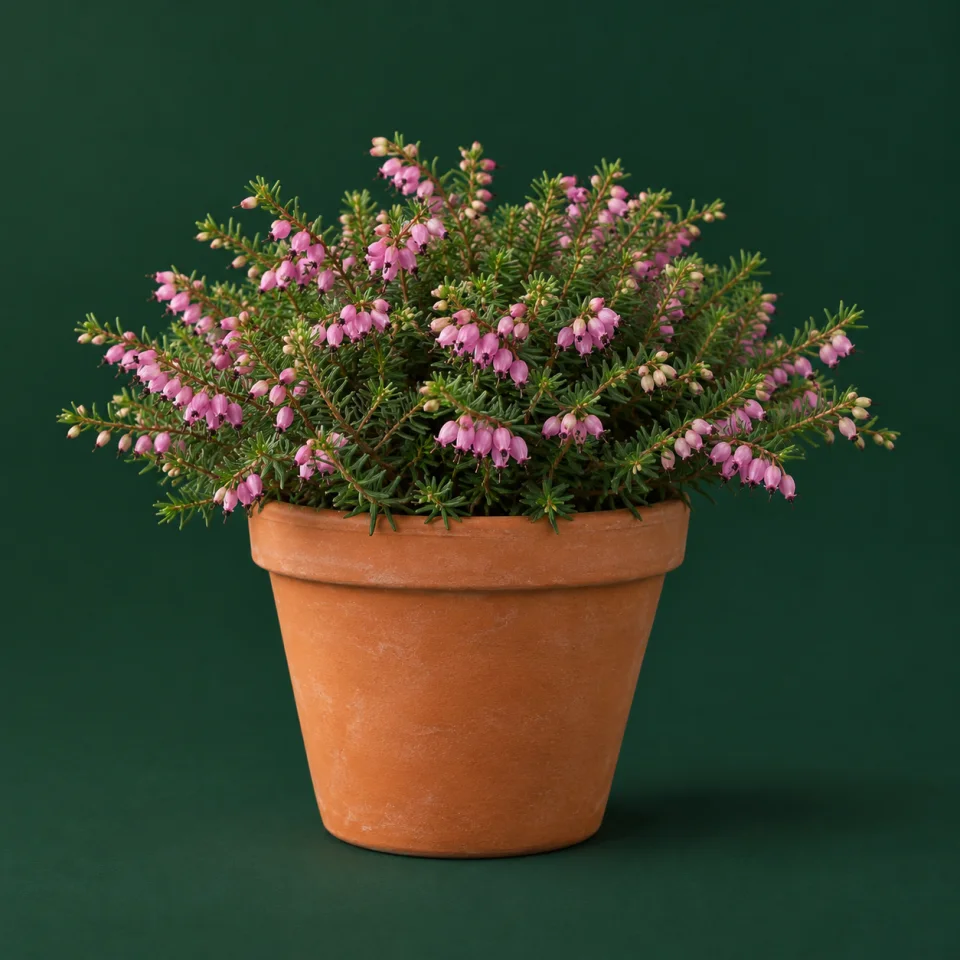
Botanical reference: Erica carnea
Check which heath you have
Erica carnea is a low evergreen shrub with tiny leaves and small urn-shaped flowers. It is not Calluna vulgaris, the more frost-sensitive Erica gracilis, or the hybrid Erica × darleyensis. They look similar and share sales names, but their care is not entirely interchangeable. Keep the label with the full botanical name. A photograph cannot certify a cultivar or determine the care of any heather you happen to find.
Outdoor light and a manageable summer
Choose sun or bright partial shade outdoors. In a very hot summer climate, relief from afternoon sun is more useful than a position against a heat-storing wall. Deep shade is not the answer either. Do not move a cool-climate plant into a heated living room to preserve its flowers. If your winter can freeze the rootball, choose a sheltered position and insulate the container without blocking drainage. Garden hardiness does not guarantee the same outcome in every pot.
A draining medium without chasing acidity
An airy heather potting mix without excessive fertiliser is a straightforward option. Erica carnea prefers acid to neutral conditions but tolerates some alkalinity; there is no need to acidify blindly or add lime to prove its tolerance. Choose a pot slightly larger than the rootball with open drainage holes. Maintain its previous planting depth and avoid a mass of soaked medium around a tiny plant. Empty the decorative outer pot after watering.
Let water reach the roots and leave again
Check below the surface and compare pot weight. When the medium starts to dry, water slowly onto it until the rootball is moistened, then let it drain. Wait if it is still damp. A potted specimen needs attention even when a plant established in the ground can withstand dry spells. Heat and wind may speed up drying considerably. Before going away, show your helper how to check the medium. Leaving a saucer full cannot replace that check.
Modest feed and purposeful repotting
It does not need heavy feeding. Allow for nutrients in new potting medium first, and use heather feed during growth only according to its directions and the plant’s needs. Yellowing alone does not prove an iron deficiency. Check water and roots before correcting the medium as well. If roots fill the pot or it dries unusually fast, consider a slightly larger container with fresh mix, preferably after flowering during mild conditions.
Trim after flowering and leave green growth
Once flowering finishes, remove spent spikes with clean scissors and lightly trim the tips. Check where the leaves are before cutting: stay above old bare branches. This encourages a compact shape without asking leafless wood to regrow. An annual hard cut is unnecessary. If one part still has open flowers, let that section finish rather than cutting the whole plant because a calendar date has arrived.
Renew an ageing plant gently
Finished flowers do not mean the shrub’s life is over. Maintain light, suitable moisture and light trimming when appropriate. If it becomes woody and open over the years, cutting it to ground level is not a reliable repair. You can replace it with a healthy plant or try layering: pin a low flexible shoot against moist medium while leaving it attached until it has its own roots. Rooting time varies with the shoot and conditions; do not force apart a woody trunk.
Check before treating a struggling plant
Brown growth may follow drought, heat or excess moisture. Inspect the rootball and drainage before adding water or products. A soft base and damaged roots call for assessing rot rather than hiding it with fertiliser. Routine preventive pest treatments are not usually needed. As a precaution, keep the pot out of reach of pets that chew plants and do not use it as food. For possible ingestion, contact a veterinarian with the label rather than trying home remedies.
Guides to help with your decision
How to care for lavender in an outdoor pot
Sun, drainage, watering and pruning for potted Lavandula angustifolia, including winter care and warning signs.
How to care for a primrose in a pot
Watering, cool light and Primula vulgaris after flowering. Keep its rosette healthy without mistaking the last flowers for the end of the plant.
How to care for hardy cyclamen in a pot
Cyclamen hederifolium care: light, watering, warm-weather rest and renewed growth. Separate natural leaf loss from a damaged tuber.
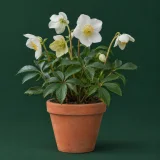
How to care for Christmas rose in a pot
Cool shade, water and drainage for Helleborus niger. Keep healthy leaves and protect the rootball without moving it beside a heater.
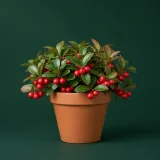
How to care for checkerberry in a pot
Bright shade, acidic compost, soft water and winter protection for Gaultheria procumbens in a pot. How to choose it, use it in winter displays and keep it afterwards.
Frequently asked questions
Can it share a planter with other heathers?
They can look good together, but group by actual needs and botanical name. Calluna may need more acidity, while Erica gracilis needs different cold protection. Separate pots grouped together make it easier to check each rootball and move only the plant needing shelter, without imposing one recipe on them all.
Should I throw it away when the flowers turn dry?
Not for that reason alone. Check for living leaves and shoots with a firm base. Remove finished flowers without cutting into bare wood, then continue caring for the roots. A wholly brittle plant or rotting base needs its viability assessed; dry-looking flowers alone are not enough to diagnose it.
Sources and what they support
- RHS · Erica carnea
Low evergreen species with fine leaves and small urn-shaped flowers; sun or partial shade, drainage, acid-neutral preference with lime tolerance. Prune after flowering; excess wet favours rot. Do not transfer ground hardiness to every pot or identify a cultivar from a photograph.
- RHS · Growing erica
Containers need ongoing watering without standing in water; modest nutrients according to reserves and label. Light trimming after bloom without old wood; layering/cuttings for renewal. Separate genus and species advice, without UK months or a universal feeding calendar.
- NC State Extension · Erica carnea
Prefers cool summers and benefits from afternoon shade in heat; moist draining medium with low fertility, avoiding hot dryness and pruning into bare wood. Poor drainage favours rot. Alkalinity caveat retained as tolerance, not a very alkaline soil recipe. No veterinary safety guarantee.
- Kew · Erica carnea
Erica carnea is an accepted name for a temperate subshrub. Botanical identity, not a growing recipe, toxicology assessment or certification of the illustrated cultivar.
- RHS · Erica gracilis
Erica gracilis is a different South African species needing frost protection; do not confuse it with Erica carnea or transfer care or safety across all heathers.
- RHS · Preventing winter damage
General container protection in severe cold: shelter and pot insulation to limit root freezing, with free drainage. Not a measured Erica carnea minimum temperature or a guarantee for every winter.
How we put these guides together
We review dates, care and recommendations to help you plan each gift.
Spotted something we should review? Contact Agenda Floral.