Guides
How to care for Christmas rose in a pot
Care difficulty5 out of 10
Pay attention to watering and growing conditions.
Editorial guide, with suitable light and climate. 0: very easy; 10: very delicate. More stars mean more care.
Christmas rose needs a cool outdoor position in bright shade, steady moisture and particularly good winter drainage. Use fertile neutral to alkaline medium and avoid burying the crown. In a pot, do not let the rootball dry completely or leave it soaked. Remove damaged leaves, keep healthy ones and do not routinely divide a small plant. Its name does not guarantee flowers on a particular date.
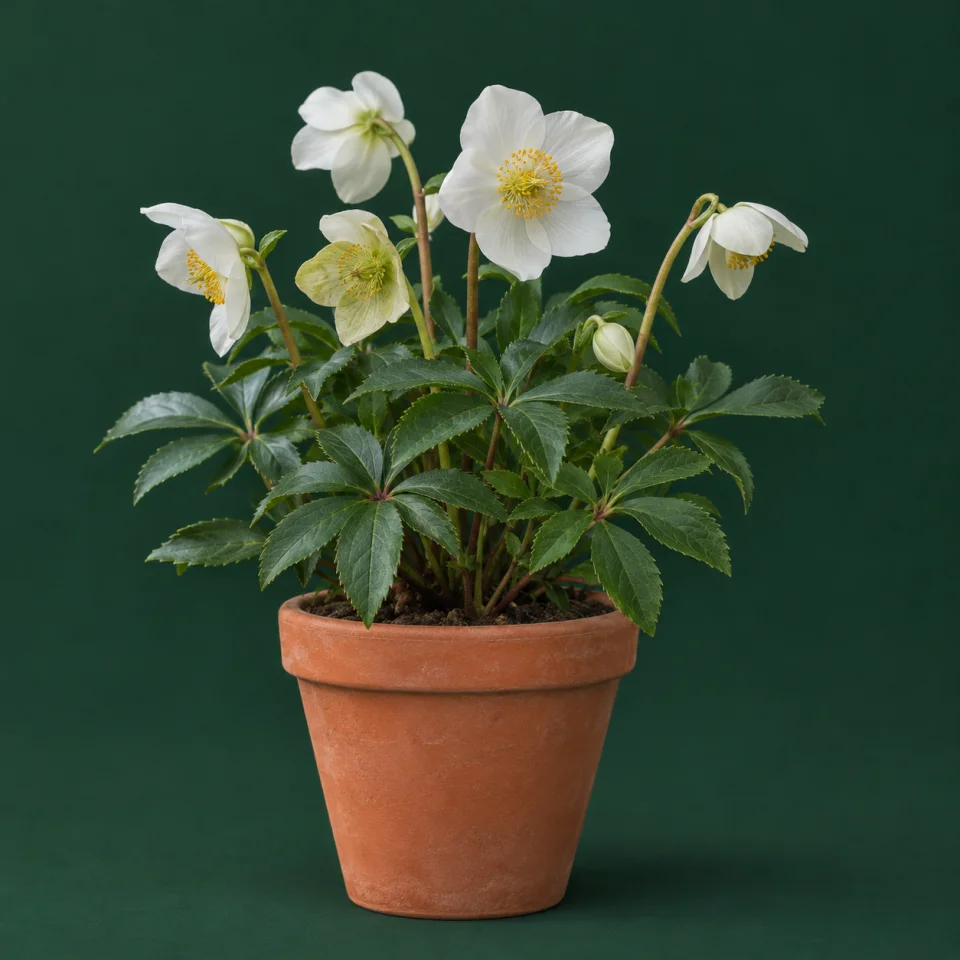
Botanical reference: Helleborus niger
Start with the full plant name
This guide covers Helleborus niger, a perennial with usually white flowers. It is not Helleborus orientalis or Helleborus × hybridus, despite shared sales names; nor is it a true rose or a rose of Jericho. Keep the label with the botanical name. Flowering varies with selection and climate: a healthy plant may open later than “Christmas rose” suggests.
Bright shade and fresh air
Choose an outdoor position with filtered light, sheltered from strong sun and cold wind. A lightly shaded corner may work better than an overheating balcony edge. Check how sunshine changes through the seasons: a gentle winter position can become scorching in summer. Darkness or a hot room is unnecessary for looking after the flowers. If a heated living room is the only place available, this is not a good plant to keep there year-round.
Fertile medium and the right planting depth
Choose a pot slightly larger than the rootball, with open holes and a perennial potting mix that holds moisture without compacting. Neutral to alkaline conditions suit it, but do not add lime without knowing the medium. Do not copy a heavy garden-clay recipe into a pot. Maintain the previous planting depth and keep wet mulch away from the crown. Water after potting and check that water can leave the whole arrangement, including any decorative outer pot.
Water by checking the rootball
Feel below the surface and learn the difference between a moist pot’s weight and one beginning to dry. When water is needed, pour slowly onto the mix and let surplus drain; wait if enough moisture remains. Avoid alternating complete drought with a full saucer. Heat and wind change demand, even in shade. Before going away, show your helper that check and leave access to the drainage holes. A gift wrapper can hide standing water.
Protect it from trapped winter wet
Cold conditions with soaked roots are a particular problem for H. niger. Keep drainage clear and use a bright sheltered position away from persistent rain when needed. If your climate can freeze the potted rootball, protect the container too; ground hardiness is no guarantee for every pot. A cool ventilated shelter is preferable to a heated living room. Continue checking moisture when the mix is not frozen rather than watering by a calendar.
Feed and repot without needless disturbance
Nutrient reserves are limited in a container. During growth, use balanced feed according to its label and the nutrients in the medium, without stacking products to force flowers. Poor growth may also follow drought or waterlogging. Repot when roots fill the container or the mix no longer works well, in mild conditions and with minimal unnecessary rootball disturbance. Annual repotting is not compulsory. A newly establishing plant benefits more from stability than repeated changes of position and soil.
Selective tidying without stripping healthy leaves
Cut old, damaged or spotted leaves with clean scissors without harming shoots emerging from the crown. Remove finished flower stems if you do not want seed. Do not automatically apply the blanket old-leaf cut recommended for some Oriental hybrids to a H. niger with healthy foliage. Division is an option for a strong mature clump after flowering, not a cure for a weak plant. Each piece needs roots and shoots, and good flowering may take time to return.
Watch spots and prevent ingestion
Check for aphids, slug damage and spotted leaves before treating. Separate a pot with persistent symptoms or distorted shoots for the cause to be assessed. Wear gloves when cutting and wash your hands because sap can irritate. The plant is poisonous, including to dogs and cats: it is neither food nor medicine. Keep foliage and trimmings away from children and pets. For possible ingestion, promptly contact the appropriate poison service or veterinarian, without waiting for symptoms or using home remedies.
Guides to help with your decision

Which flowers to give for Three Kings’ Day in Spain
6 January 2027 is a Wednesday and a public holiday across Spain. Which flowers to give for Three Kings’ Day, when to buy them around the 5 January parade and plants that last.
Which flowers to bring on Christmas Eve in Germany
Christmas Eve falls on a Thursday in 2026 and shops close early. When to buy flowers, which bouquet to bring and how to keep a poinsettia from the cold.
First Sunday of Advent in Germany: date and a gift for your visit
In 2026 it is 29 November; in 2027, 28 November. Check the annual rule and when to deliver a wreath or a plant for a visit.
St Nicholas Day in Germany: flower gifts and when to give them
St Nicholas Day falls on Sunday 6 December 2026. When to buy or send flowers and which small gesture suits an adult.
Three Kings’ Day in Portugal: janeiras, bolo-rei and optional flowers
6 January 2027 falls on a Wednesday and is a working day in Portugal. Janeiras on the night of the 5th, bolo-rei until Kings’ Day and, if you want to bring something more, a plant that keeps going in January.
Epiphany in Italy: the Befana and a plant for after the holidays
6 January 2027 falls on a Wednesday and is a public holiday in Italy. The Befana fills stockings on the night of the 5th; if you want to add flowers, choose a plant that carries on once the festive season is over.
Christmas in the Netherlands
Eerste and Tweede Kerstdag fall on Friday and Saturday in 2026. When to buy flowers before shops close, which plant to bring to dinner and how to send them.
Mikołajki in Poland: flowers for St Nicholas Day on 6 December
Mikołajki falls on Sunday 6 December 2026, a trading Sunday in Poland. Which small flower gift suits an adult and when to give it.
Christmas in Belgium
Christmas Day falls on Friday 25 December 2026 and is a legal holiday in Belgium; the 26th is not. Amaryllis or poinsettia, buying by Thursday the 24th and delivery.
Easter Sunday 2027 in Austria: daffodils, the Osterstrauch and pot plants
In 2027 Easter Sunday is 28 March and the Monday is a public holiday. Choose flowers for an Easter visit and buy them before the shops close.
First Sunday of Advent in Austria: date, wreath blessing and what to give
In 2026 Advent begins on 29 November. When wreaths are blessed, why to shop on Saturday and which plant to take on a visit.
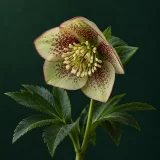
Christmas Eve in Austria: Christmas rose, opening hours on the 24th and what to bring
24 December 2026 is a Thursday and florists may open until 6 pm. What to give, when to shop before two public holidays and a Sunday, and how to carry a Christmas rose.
How to care for a primrose in a pot
Watering, cool light and Primula vulgaris after flowering. Keep its rosette healthy without mistaking the last flowers for the end of the plant.
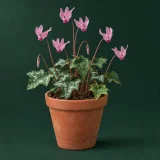
How to care for hardy cyclamen in a pot
Cyclamen hederifolium care: light, watering, warm-weather rest and renewed growth. Separate natural leaf loss from a damaged tuber.
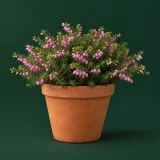
How to care for winter heath in a pot
Water, light, potting medium and pruning for Erica carnea. Keep the rootball from drying out and avoid cutting into bare old wood.
Frequently asked questions
Do green flowers mean it is dying?
Not necessarily. The petal-like parts are sepals, which can remain and change appearance as the flower ages. Check leaves, crown and moisture as well. If flowering has simply finished, remove that stem if desired and continue care. Finished flowers do not mean a healthy growing perennial must be discarded.
Should I divide it for more flowers next year?
Not automatically. Separating a small or newly purchased plant may interrupt establishment. First provide a suitable position and healthy rootball. Divide only a vigorous mature clump if that is your aim, allowing for slow recovery and without expecting guaranteed flowers the following season.
Sources and what they support
- RHS · Helleborus niger
Identity, divided leathery leaves, partial shade, draining moisture, fertility and neutral-alkaline preference. Remove faded or damaged foliage according to condition, without automatically cutting all healthy leaves. Division possible after flowering. Harmful if eaten and irritant; no medical recipe or universal minimum temperature.
- RHS · Growing hellebores
H. niger particularly needs winter drainage and a cool sheltered position; draining pot slightly larger, same depth, ongoing moisture and container feeding. Separate it from Oriental hybrids and avoid importing blanket leaf cutting. No UK months, guaranteed lifespan, routine division or garden-clay recipe for pots.
- NC State Extension · Helleborus niger
Shade and relief from heat, divided basal leaves and five-sepalled flowers with yellow stamens; species/hybrids confused in trade. Aphids, slugs and fungi possible; poisonous plant and contact irritant. No human thresholds transferred to pets or guarantees of self-seeding, timing or worldwide invasiveness.
- ASPCA · Christmas Rose (Helleborus niger)
Exact H. niger profile: toxic to dogs/cats/horses; cardiac glycosides, saponins and protoanemonin. May cause drooling, abdominal pain and diarrhoea. Prompt veterinary contact for possible ingestion without waiting for symptoms or giving doses or remedies.
- Kew · Helleborus niger
Accepted name of a temperate perennial. Taxonomy, not photo identification, certified cultivation, medicinal recipe or a Christmas-flowering guarantee.
- Journal of Experimental Botany · Helleborus niger (2002)
Primary study: sepals of fertilised H. niger flowers can persist and turn green during fruit development. Supports the ageing-flower FAQ, not hormone advice, a flowering deadline or diagnosis of a pot.
How we put these guides together
We review dates, care and recommendations to help you plan each gift.
Spotted something we should review? Contact Agenda Floral.