Guides
How to care for a primrose in a pot
Care difficulty5 out of 10
Pay attention to watering and growing conditions.
Editorial guide, with suitable light and climate. 0: very easy; 10: very delicate. More stars mean more care.
Primrose needs a cool position, good light protected from hot sun and moist mix without waterlogging. Check the pot even after rain and remove spent blooms. Primula vulgaris is perennial: it can remain alive after flowering. Keep foliage healthy and maintain moisture rather than drying it like a dormant bulb.
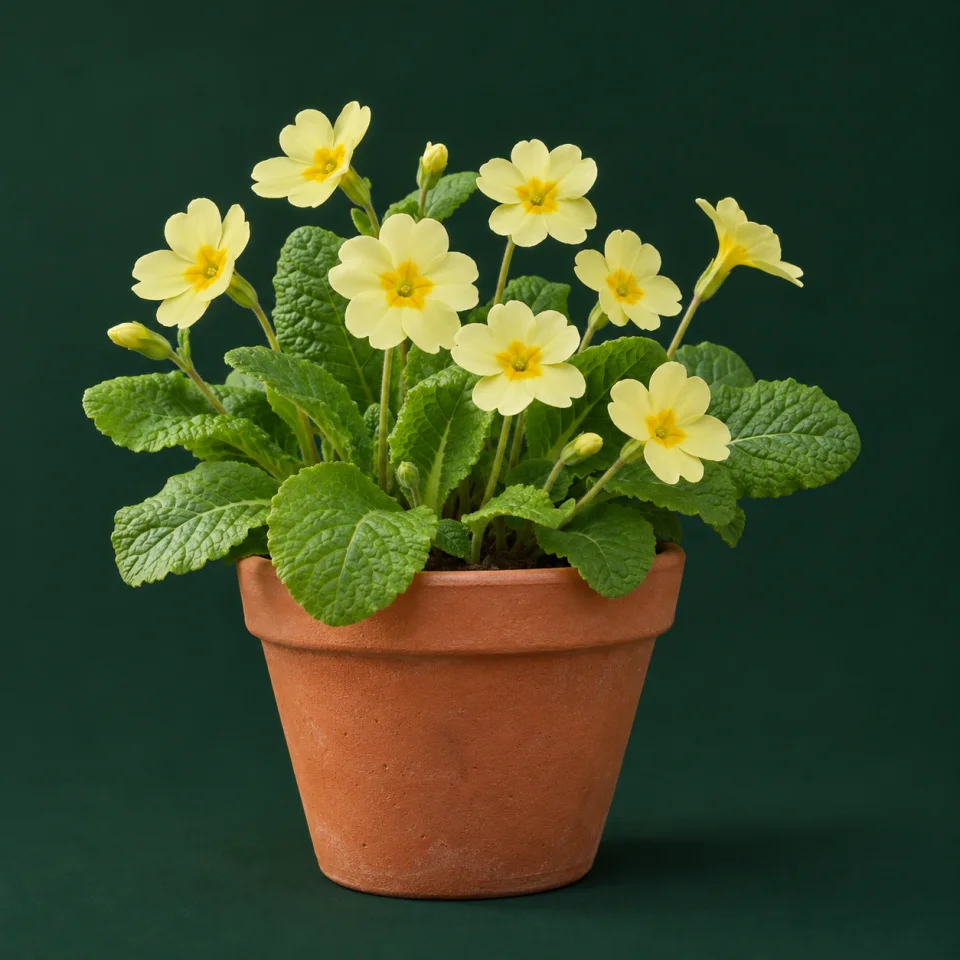
Botanical reference: Primula vulgaris
Check which primrose you have
This guide covers Primula vulgaris, also called Primula acaulis. It makes a rosette of wrinkled leaves with flowers on individual stalks from the base; the common form has pale-yellow flowers. Cultivars and hybrids come in other colours. Not every plant sold as primrose is this species: distinguish malacoides, obconica and polyanthus. Keep the label and choose healthy leaves and a firm base.
Find cool conditions and light shade
A bright balcony or patio protected from hot afternoon sun usually suits it better than a heated living room. Some sun can work in cool climates; in heat seek light shade and prevent the pot overheating. Deep shade does not encourage flowering either. Gradually acclimatise a plant from protected conditions to outdoors, especially before cold nights or wind.
Water the root ball and empty surplus
Feel beneath the surface and check weight. When the upper layer starts drying, water the mix slowly, moving leaves aside if needed, and drain. Do not wait for the entire pot to dry or leave water trapped below. Leaves may divert rainfall, so check inside after rain too. If it wilts in wet mix, inspect base and roots before adding water.
Drainage and the right crown level
Use airy container mix that retains some moisture and keep drainage holes clear. Plant at the previous level without covering the rosette centre or burying the crown deeper. If roots fill the pot, repot into a proportionate size in mild weather, preferably after flowering. An oversized container may stay wet too long.
Remove spent parts without cutting healthy growth
Remove faded flowers with their stalk and damaged debris between leaves, with clean hands or tools. Retain green leaves: no complete cutback is needed after flowering. During growth a modest feed may help according to its label and existing nutrients. Do not stack products or fertilise to compensate for overheating or rot.
After flowering keep caring for the rosette
Move it to a cool, lightly shaded place as temperatures rise and maintain moisture without saturation. Losing flowers alone does not mean it has died. Do not dry it completely like a stored pot of bulbs. If a healthy clump becomes crowded, divide after flowering into rooted leafy portions and replant at the same level. Small plants need not be divided every year.
Cold, heat and signs to check
The species tolerates cold, but pots expose roots more and plants fresh from a greenhouse need acclimatisation. Shelter containers in severe spells and preserve drainage without moving into intense warmth. Check for slugs, snails, aphids, leaf spots or mould. Separate affected plants and remove damaged debris. One yellow leaf or fallen flower cannot identify a particular disease.
Absences, children and pets
Leave instructions for checking mix and emptying excess, not fixed watering or a permanently full saucer. Keep the plant and trimmings away from anyone who might eat them. Primula vulgaris is toxic to dogs and cats and may cause vomiting. For ingestion or symptoms consult a vet with its name. Do not eat ornamental leaves or flowers; treatments may be present too.
Which flowers to choose
Compare flowers to choose the format, colours and care that suit the occasion.
Guides to help with your decision

Which flowers to give to someone with cats or dogs
Flowers for a home with cats or dogs: options to consider, checking the whole bouquet and precautions with lilies, holly and mistletoe at Christmas.
How to care for a wax begonia in a pot
Light, watering, flowers, repotting and winter care for wax begonias. Distinguish fibrous-rooted semperflorens plants from tuberous begonias.
How to care for a pansy in a pot
Watering, light, faded flowers and protection from cold and heat. Care for Viola × wittrockiana according to your climate and its growth.
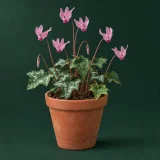
How to care for hardy cyclamen in a pot
Cyclamen hederifolium care: light, watering, warm-weather rest and renewed growth. Separate natural leaf loss from a damaged tuber.
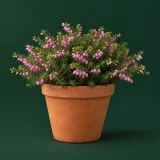
How to care for winter heath in a pot
Water, light, potting medium and pruning for Erica carnea. Keep the rootball from drying out and avoid cutting into bare old wood.
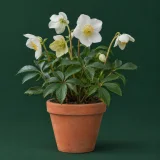
How to care for Christmas rose in a pot
Cool shade, water and drainage for Helleborus niger. Keep healthy leaves and protect the rootball without moving it beside a heater.
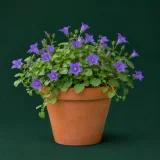
How to care for Dalmatian bellflower in a pot
Light, watering and after-flowering care for Campanula portenschlagiana. Keep the clump healthy and protect potted roots from excess water and cold.
Frequently asked questions
Should watering stop after the last flowers?
No. With a healthy rosette, keep checking the mix and maintaining moderate moisture. Slower growth may need less water, but not a completely dry rest. A soft base and saturated mix call for a rot check instead of routine watering.
Can it stay indoors all year?
A bright cool room can temporarily display it in flower, but a hot dry living room makes keeping it harder. Look for an outdoor lightly shaded position suited to your climate and acclimatise before moving. Being perennial does not guarantee survival anywhere or equally strong flowering again.
Sources and what they support
- NC State Extension · Primula vulgaris
Perennial species, rosette, moist drainage, preference for cool conditions and protection from hot sun, pests and division. No continuous-flowering promise or transfer of US months/zones.
- RHS · Primula vulgaris
Identity and acaulis synonym, evergreen or semi-evergreen foliage, flowers and containers. H7 refers to British conditions, not guaranteed pot-root survival; no compulsory complete cutback.
- RHS · Primroses and polyanthus
Light without deep shade, balanced moisture and draining container mix. The guide covers species/hybrids: malacoides disposal or yearly bedding replacement is not applied to vulgaris.
- Auckland Botanic Gardens · Primula vulgaris hybrids
Container checks, planting level, rain not always reaching mix, deadheading, cool conditions after flowering and division. These are Auckland hybrids: no transfer of calendar, square-metre doses or guaranteed survival.
- ASPCA · Primrose
Names Primula vulgaris and classifies it as toxic to dogs and cats, with vomiting as a sign. Decorative use does not mean safety; no transfer to every plant called primrose.
How we put these guides together
We review dates, care and recommendations to help you plan each gift.
Spotted something we should review? Contact Agenda Floral.