Guides
How to care for a wax begonia in a pot
Care difficulty4 out of 10
Pay attention to watering and growing conditions.
Editorial guide, with suitable light and climate. 0: very easy; 10: very delicate. More stars mean more care.
Wax begonias need good light, slightly moist mix and a pot that drains. In hot places, bright shade or gentle sun often suits them better than harsh heat or deep darkness. Protect from frost and water less as growth slows. Do not dry them like dormant tubers: they have fibrous roots. They are toxic to dogs and cats.
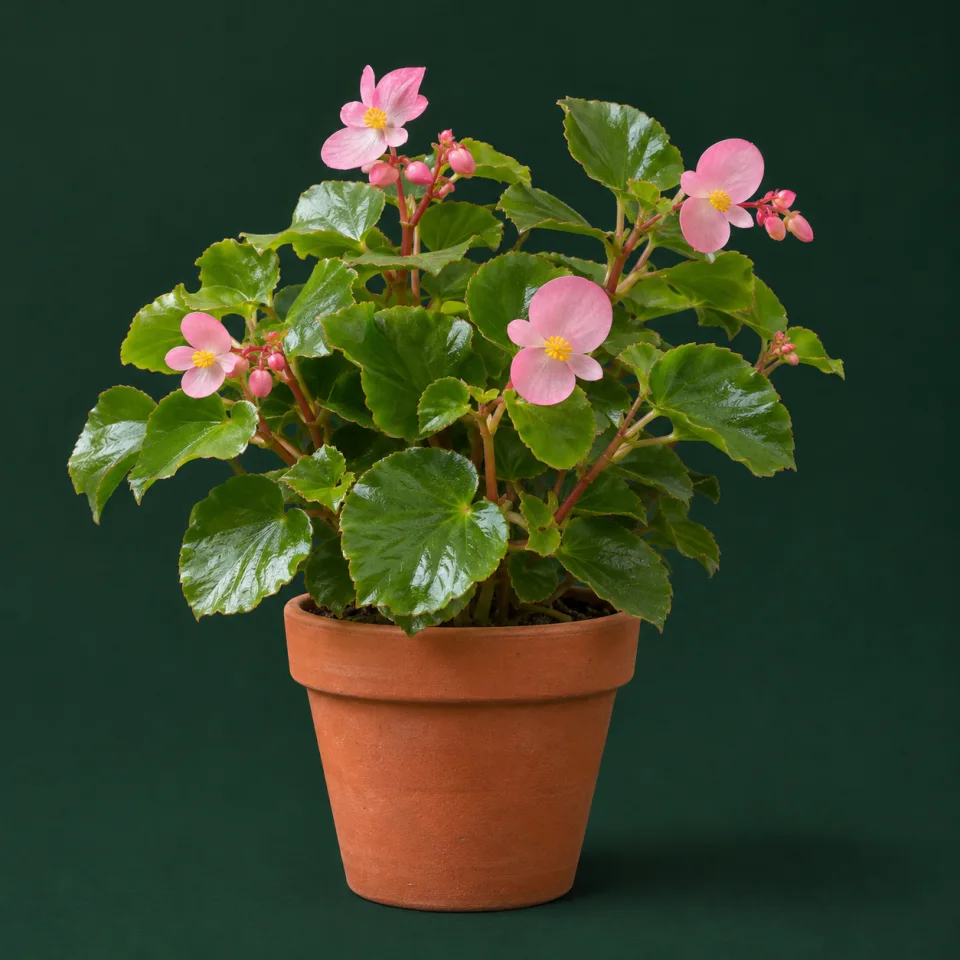
Botanical reference: Begonia (Semperflorens-Cultorum Group)
Make sure it is a wax begonia
Look for the Semperflorens-Cultorum Group, also called wax or bedding begonia. Plants are often compact with fleshy glossy green or bronze leaves and many small flowers. Single and double cultivars exist, so colour does not identify the group. This guide is not for large-flowered Elatior, decorative-leaved rex or tuberous begonias. Keep the label for your cultivar’s size and exposure.
Match light to patio heat
Good light with partial shade is a useful starting place without stressing the leaves. Some cultivars allow more sun in mild climates; in hot weather protect from afternoon heat and shield the pot. Bronze leaves do not prove tolerance of every exposure. Deep shade can reduce flowers and stretch stems. Acclimatise plants raised under cover gradually and put outside after local frost risk has passed.
Water as moisture decreases, without soaking
Feel just below the surface and notice if the pot is lighter. As moisture begins to decrease, water slowly onto the mix through the root ball and let it drain. Empty the saucer: avoid permanent water below and complete drying. Heat and wind mean checking more often, not watering at a compulsory hour. Avoid constantly wet leaves and flowers or enclosing a damp plant without airflow.
A sensible pot with air around roots
Use container mix that holds some moisture and drains, not heavy soil that forms a block. Check holes even inside an outer pot. If roots fill the space or the mix deteriorates, move a modest size up during growth. Keep the previous depth and support the root ball rather than pulling fleshy stems. Do not look for a tuber or choose an oversized container for the whole season.
Feed and tidy without chasing every bloom
During growth and flowering, use flowering-plant feed according to the label and existing nutrients. Do not stack products to make the name semperflorens mean flowers all year. Gently remove spoiled flowers and fallen debris without tearing healthy shoots. If stems stretch too much, light trimming during growth can encourage branches, but weekly shearing or routine removal of healthy flowers is unnecessary.
Choose winter shelter before the cold
It is commonly grown seasonally because frost damages it, but you can try keeping a healthy plant indoors. Choose a bright frost-free position away from heaters and check for pests first. Slower growth uses less water; retain some moisture without drying everything out. Do not stop watering to store dry roots as with a tuberous begonia. Acclimatise it outside again in mild weather; survival is not guaranteed.
Marked leaves or soft stems
Check moisture, drainage, light and recent changes first. Yellowing or drooping does not automatically mean thirst or lack of feed. Damp enclosed conditions favour problems; leave space and remove deteriorating debris. Inspect undersides and shoots for insects. Mould, spreading spots or soft stems call for separating the pot and identifying the cause. Do not spray every leaf with soap, oils or homemade mixes without checking the product and plant sensitivity.
Absences and pets that dig
Ask someone to check the mix and empty excess water, including during indoor winter care. A reservoir that submerges roots can do more harm than good. Discourage children and animals from chewing leaves, flowers or mix. Begonias are toxic to dogs and cats; higher underground toxicity does not make leaves safe. Collect debris and consult a vet after possible ingestion, without home remedies.
Guides to help with your decision
Which flowers to give to someone with cats or dogs
Flowers for a home with cats or dogs: options to consider, checking the whole bouquet and precautions with lilies, holly and mistletoe at Christmas.
How to care for a zonal geranium in a pot
Sun, water, feeding, pruning and winter care for zonal pelargoniums, with pest checks and a practical balcony routine.
How to care for a fuchsia in a pot
Gentle light, watering, heat, pruning and winter care for container fuchsias. What to check when they wilt or stop flowering.
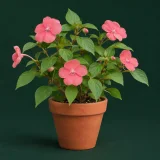
How to care for busy Lizzie in a pot
Bright shade, watering, flowers and winter care for Impatiens walleriana. What to check when it droops and when to suspect downy mildew.
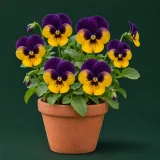
How to care for a pansy in a pot
Watering, light, faded flowers and protection from cold and heat. Care for Viola × wittrockiana according to your climate and its growth.
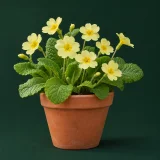
How to care for a primrose in a pot
Watering, cool light and Primula vulgaris after flowering. Keep its rosette healthy without mistaking the last flowers for the end of the plant.
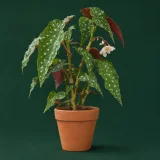
How to care for a polka dot begonia in a pot
Filtered light, moist roots without waterlogging and moving air for Begonia maculata. Supports, trimming and signs to check before reaching for water.
Frequently asked questions
Why does semperflorens stop flowering?
The name does not guarantee continuous blooms. Low light, cold, strong heat, unsuitable watering or trimming can interrupt them. Check the whole situation before adding feed. If foliage stays firm, adapt care to growth rather than forcing immediate flowers.
Should it lose its leaves and stay dry in winter?
Not as routine care for this begonia. Its fibrous roots can be kept as a living plant with light and reduced watering according to use. Instructions for drying and storing tubers belong to other groups. Identify the plant before choosing winter care.
Sources and what they support
- NParks · Begonia Semperflorens Cultorum Group
Horticultural group, fibrous roots, variable leaves/flowers, climate-dependent light and damp poorly ventilated conditions. Singapore annual/watering labels are not universal rules.
- RHS · Begonias outdoors
Semperflorens section: tender perennial, acclimatisation after frost, moisture and light. The tuberous section’s dry dormancy does not apply to these fibrous roots.
- Cornell Cooperative Extension · Wax begonia
Wax sections: containers, moist draining soil, heat protection and indoor winter care. Interleaved tuberous pages, New York dates and compulsory severe pruning are not copied.
- ASPCA · Begonia spp.
Toxic to dogs/cats through soluble oxalates; greater underground toxicity does not make leaves safe. Grazing-animal kidney effects are not presented as typical dog/cat outcomes.
How we put these guides together
We review dates, care and recommendations to help you plan each gift.
Spotted something we should review? Contact Agenda Floral.