Guides
How to care for petunias in pots and window boxes
Care difficulty5 out of 10
Pay attention to watering and growing conditions.
Editorial guide, with suitable light and climate. 0: very easy; 10: very delicate. More stars mean more care.
A potted petunia needs sun, water reaching its roots and a clear outlet for excess. Flowering takes resources, so do not treat it like a succulent left dry for long periods. This guide covers garden petunia, Petunia × atkinsiana, also sold as Petunia × hybrida. Compact or trailing growth and the variety affect space and some maintenance tasks.
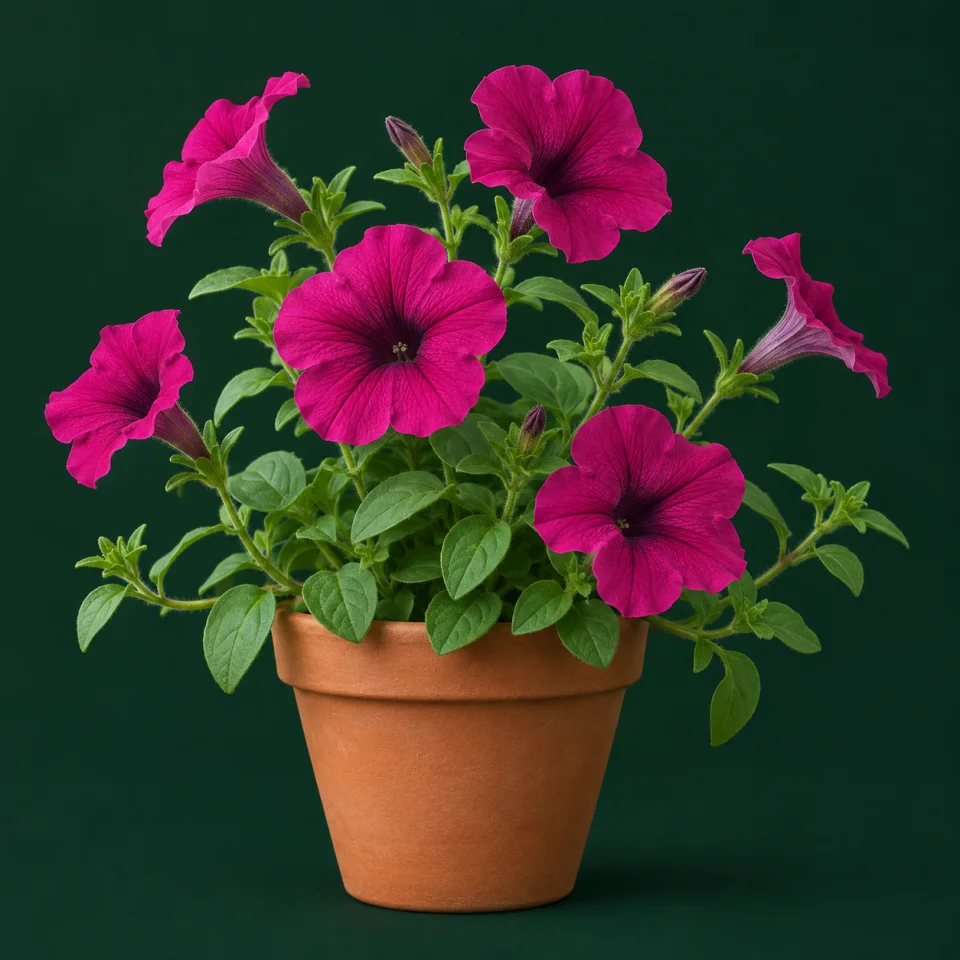
Botanical reference: Petunia × atkinsiana
Start with a sunny balcony
Find a place with several hours of direct sun and air around the stems. Constant shade usually means fewer flowers. Acclimatise greenhouse-grown plants before full outdoor sun, especially in heat or wind. Check whether your variety forms a mound or spreads: a trailing petunia needs room without being trapped between other pots.
Check moisture before it collapses
Check below the surface daily during hot or windy spells; checking does not always mean watering. When the upper layer starts drying and the pot becomes lighter, water the compost slowly until excess drains below. Do not wait for the whole rootball to dry completely. If it remains damp and heavy, wait. Empty trapped water and do not copy a garden-bed petunia’s watering interval.
Compost and repotting with room to grow
Choose a flowering-container mix that retains moisture but drains well, with clear holes. Move a young plant into a suitable pot or window box, allowing room for its variety. Keep the planting depth and handle the rootball gently. If roots fill the container and it dries too fast, consider a slightly larger one. Do not crowd plants merely to make it look full on day one.
Feeding supports flowering
During growth and flowering, use flowering-plant fertiliser at its labelled dose and interval. First check for slow-release feed in the compost and how long it lasts. Vigorous spreading varieties may have greater demand, but that is no reason to double doses. If it wilts in dry compost, address water first. Extra feed replaces neither watering nor light.
Which flowers to remove and when to pinch
For seed-forming varieties, remove the faded flower with its base rather than petals alone, using fingers or clean scissors without tugging the stem. Many modern petunias are self-cleaning and do not need this continual task. Still clear wet debris off the compost. Check the type before pinching: milliflora and spreading types do not need the same treatment as a traditional mound.
When flowers stop or spots appear
Check sun, moisture, root space and feeding before changing everything. With soaked compost and a soft base, do not add water to lift it; inspect drainage and roots. Look at leaves, flowers and shoots for caterpillars, mites or thrips, and separate a suspect plant. Remove damaged debris and get a photo identification for spreading spots. A list of possible pests is not a reason to spray.
Cold weather and the season’s end
Petunia is tender and commonly grown as an annual: do not expect a shrub’s lifespan. Move it outside permanently once local frost risk has passed. A tired or cold-damaged plant at season’s end may have reached the end of its growing cycle without poor care being the cause. Keeping a cultivar from one year to the next needs protected conditions, rather than simply continuing summer watering.
Pets and days away
Petunias are listed non-toxic to dogs and cats, but are not food. Prevent drinking fertilised water or chewing treated plants, and check other species in a mixed container. Before leaving, arrange someone who can check the mix and water until it drains when needed. Do not leave a sunny basket unattended or submerged in a bucket to cover several days.
Guides to help with your decision

Which flowers to give to someone with cats or dogs
Flowers for a home with cats or dogs: options to consider, checking the whole bouquet and precautions with lilies, holly and mistletoe at Christmas.
How to care for lavender in an outdoor pot
Sun, drainage, watering and pruning for potted Lavandula angustifolia, including winter care and warning signs.
How to care for an ivy geranium in a pot
Sun, watering, flowers, edema and winter care for trailing pelargoniums, with hanging-pot advice and pest checks.
How to care for calibrachoa in pots and keep it flowering
Sun, watering, feeding, yellow leaves and cold: practical care for garden calibrachoa in containers and hanging baskets.
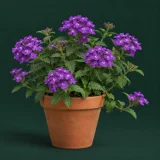
How to care for garden verbena in a pot
Sun, water, feeding, spent flowers and white powder on leaves: care for compact or trailing garden verbena through heat and cold.
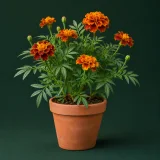
How to care for a French marigold in a pot
Sun, water, light feeding and spent heads: Tagetes patula care for a seasonal pot, distinct from pot marigold and taller African marigolds.
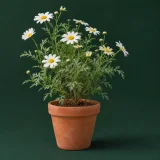
How to care for a marguerite daisy in a pot
Sun, watering, spent flowers and frost protection: practical Argyranthemum frutescens care for a patio or terrace.
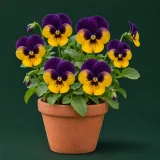
How to care for a pansy in a pot
Watering, light, faded flowers and protection from cold and heat. Care for Viola × wittrockiana according to your climate and its growth.
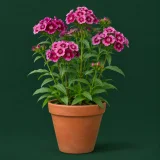
How to care for sweet William in a pot
Sun, watering, deadheading and renewing Dianthus barbatus. Keep its crown healthy and understand the cycle of this short-lived plant.
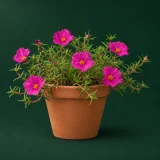
How to care for moss rose in a pot
Sun, watering and drainage for Portulaca grandiflora. Plant it gently, understand its flowers and plan for the end of a warm-season display.
Frequently asked questions
Must every faded flower be removed daily?
It depends on the variety. Many modern petunias shed spent blooms without routine deadheading. For seed-forming types, removing the whole flower and base helps avoid seed production. Check the label and clear damp debris without imposing identical maintenance on every variety.
Do slightly sticky stems mean aphids?
Petunias can naturally have glandular hairs and a slightly sticky texture. Look for visible insects, distorted shoots or other changes before deciding there is a pest. Stickiness alone does not justify spraying.
Sources and what they support
- Vascular Plants of North Carolina · Garden Petunia
Garden petunia identified as Petunia × atkinsiana. Identity reference, not cultivation advice for every climate.
- NC State Extension · Garden Petunia
Garden petunia under Petunia × hybrida: tender, sun, moisture with drainage, hairy leaves and slightly sticky stems. Climate zones are not a survival guarantee.
- University of Minnesota Extension · Petunias
Sun, container water/feed, compact/trailing types, acclimatisation and removing flowers with their base. Garden-bed weekly watering is not a pot rule; do not impose pinching on milliflora or spreading types.
- Iowa State Extension · Deadheading
Many petunias are self-cleaning and need no routine manual deadheading. Checking the variety avoids unnecessary work.
- UC IPM · Petunia
Sun, water, nutrients and draining soil; possible mites, caterpillars, thrips, mould and rots. A pest list does not diagnose a plant or justify preventive treatment.
- ASPCA · Petunia
Petunia listed non-toxic to dogs and cats. Not food, and not a statement about feeds, treatments or other plants in a mixed container.
How we put these guides together
We review dates, care and recommendations to help you plan each gift.
Spotted something we should review? Contact Agenda Floral.