Guides
How to care for calibrachoa in pots and keep it flowering
Care difficulty6 out of 10
Pay attention to watering and growing conditions.
Editorial guide, with suitable light and climate. 0: very easy; 10: very delicate. More stars mean more care.
Calibrachoa needs sun, a draining potting mix and attention to water and nutrients while growing. Its small flowers suit pots and baskets, but a hanging container must be within reach for checking. If the plant wilts, feel the compost before adding water.
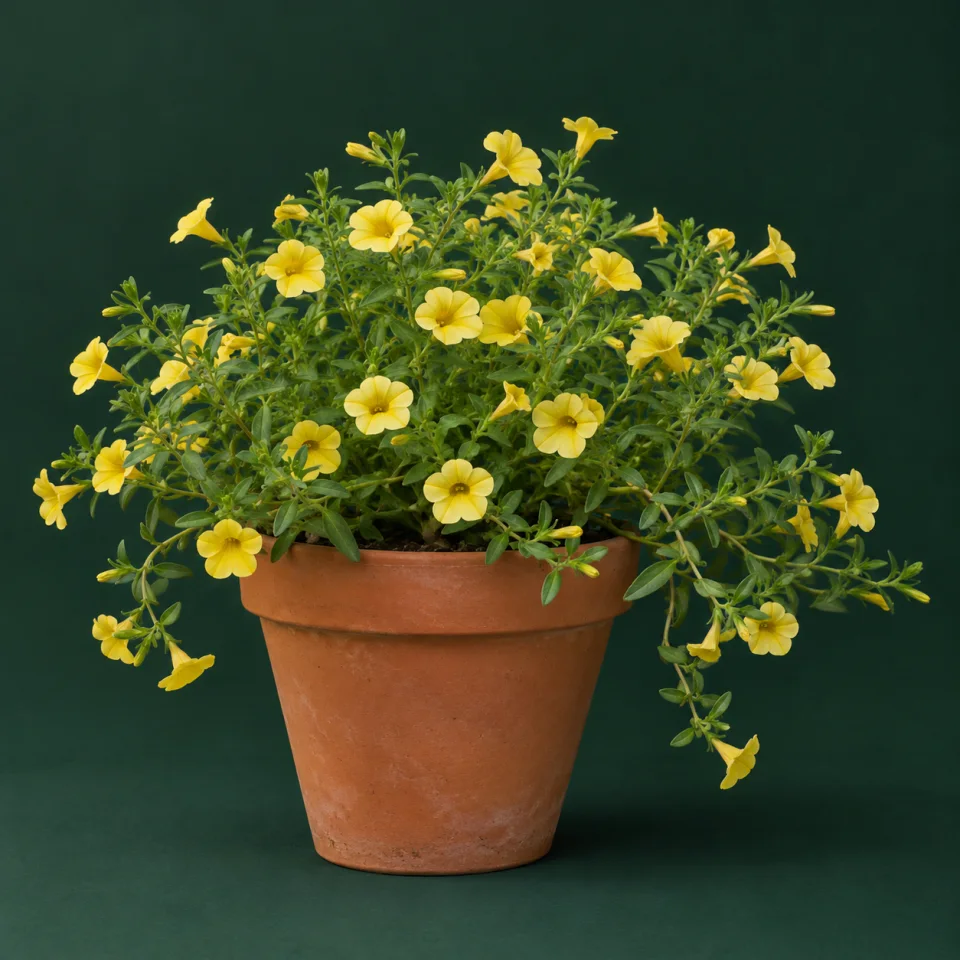
Botanical reference: Calibrachoa
Choose a sunny outdoor spot you can reach
This guide covers garden hybrids of Calibrachoa, with small funnel flowers and often trailing stems. They are sold as mini petunias, although Petunia is a different genus. Size and behaviour depend on the variety. Choose a container you can water comfortably and hanging supports suitable for its weight when wet.
Look for sun and notice your balcony’s heat
It prefers a sunny position; poor light often means stretching and fewer flowers. Introduce a nursery-grown plant to outdoor conditions gradually. On a scorching balcony, wind and a hot pot speed drying: watch how it responds before settling on a permanent spot. Avoid a stagnant corner or a position battered by gusts.
Water when the surface has dried
Feel the mix and lift the container if possible. When the surface is dry, water slowly to moisten the rootball and let some water drain below; empty the saucer. Hot weather may need more frequent checks, without making each check an automatic watering. Do not let the entire pot become dust-dry or keep it constantly sodden.
Real drainage and space for roots
Use clear drainage holes and a light, free-draining potting mix rather than heavy garden soil. An outer pot without an outlet is no permanent reservoir. If roots fill the nursery pot and it dries too quickly, move to a slightly larger container at the same planting depth. Do not bury the base or press the mix down hard.
Feed thoughtfully rather than doubling up
During growth and flowering, provide regular nutrition for flowering container plants, including micronutrients, following the label. Check for slow-release fertiliser already in the compost before adding more. Extra phosphorus or larger doses do not guarantee flowers. Crusts or deterioration after feeding call for reviewing inputs and seeking advice before adding further products.
Spent flowers and straggly growth
Series such as Superbells flower without removing each spent bloom; do not assume this is a promise for every hybrid. Clear deteriorating debris and lightly trim long tips if the plant loses its shape, leaving healthy foliage. If flowering stops, review light, moisture and nutrition before hard pruning or looking for a miracle product.
Yellowing or wilting: investigate first
Young yellow leaves with greener veins can indicate unavailable iron, which can also relate to pH; other deficiencies or damaged roots can look similar. Review watering, drainage and feeding, and ask about the mix and water before adding iron, vinegar or acidifiers. A wilted plant in wet compost does not automatically need water. Inspect shoots and leaf undersides for insects; treat an identified problem only.
Cold weather, holidays and cats
Where frosts occur, it is often grown as a seasonal plant: do not assume it will overwinter outdoors. To try keeping it, check the variety and suitable sheltered conditions with a nursery. During absences, arrange for someone to check containers according to the weather. Cats Protection lists Calibrachoa as non-toxic for cats; that does not establish safety for dogs, fertilisers or mixed pots, or make it food.
Guides to help with your decision
Which flowers to give to someone with cats or dogs
Flowers for a home with cats or dogs: options to consider, checking the whole bouquet and precautions with lilies, holly and mistletoe at Christmas.
How to care for an ivy geranium in a pot
Sun, watering, flowers, edema and winter care for trailing pelargoniums, with hanging-pot advice and pest checks.
How to care for petunias in pots and window boxes
Sun, watering, feeding and spent flowers for garden petunias, with variety differences and end-of-season care.
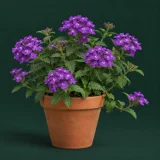
How to care for garden verbena in a pot
Sun, water, feeding, spent flowers and white powder on leaves: care for compact or trailing garden verbena through heat and cold.
Frequently asked questions
Why is my calibrachoa wilting in wet compost?
Excess moisture can damage roots; a previously dry plant may also take time to recover after watering. Do not add more without checking drainage, moisture and roots. If it worsens, seek help with photographs of the whole plant and rootball.
Do yellow leaves mean I should add iron?
Not on their own. Check which leaves are yellow, watering, fertiliser, potting mix and possibly unsuitable pH. Adding iron blindly can leave the cause unresolved. Ask for advice before acidifying or combining treatments.
Sources and what they support
- University of Illinois Extension · Calibrachoa
Sun, moist yet draining fertile medium, container feeding and pinching for compact shape. No universal months or cold-hardiness claim.
- RHS · Calibrachoa Million Bells Series
Reference for a trailing, small-flowered garden series and protection from cold. Hybrid identity and behaviour vary; the image is not identified as that series.
- Proven Winners · How to grow Superbells Calibrachoa
Sun, watering after surface drying with drainage, sensitivity to waterlogging and shape maintenance. Flowering without deadheading described for Superbells; not a promise for every hybrid or a brand/dose endorsement.
- Iowa State University Extension · Container plant nutrition
Nutrients in container media, iron chlorosis in calibrachoa and the role of pH and overwatering. A yellow leaf is not a diagnosis; no professional acidification, doses or formulas turned into a home recipe.
- Cats Protection · Plants and cats
Lists Calibrachoa/Million bells among non-toxic outdoor plants for cats. Cat-specific, not dogs, applied products, mixed pots or other plants; this is care advice, not food advice.
How we put these guides together
We review dates, care and recommendations to help you plan each gift.
Spotted something we should review? Contact Agenda Floral.