Guides
How to care for garden verbena in a pot
Care difficulty4 out of 10
Pay attention to watering and growing conditions.
Editorial guide, with suitable light and climate. 0: very easy; 10: very delicate. More stars mean more care.
Garden verbena suits a sunny outdoor pot with good drainage and room for air to move. Check the mix before watering: drought tolerance in garden soil does not mean a small pot can be forgotten. Remove finished flower clusters and adjust care to the weather.
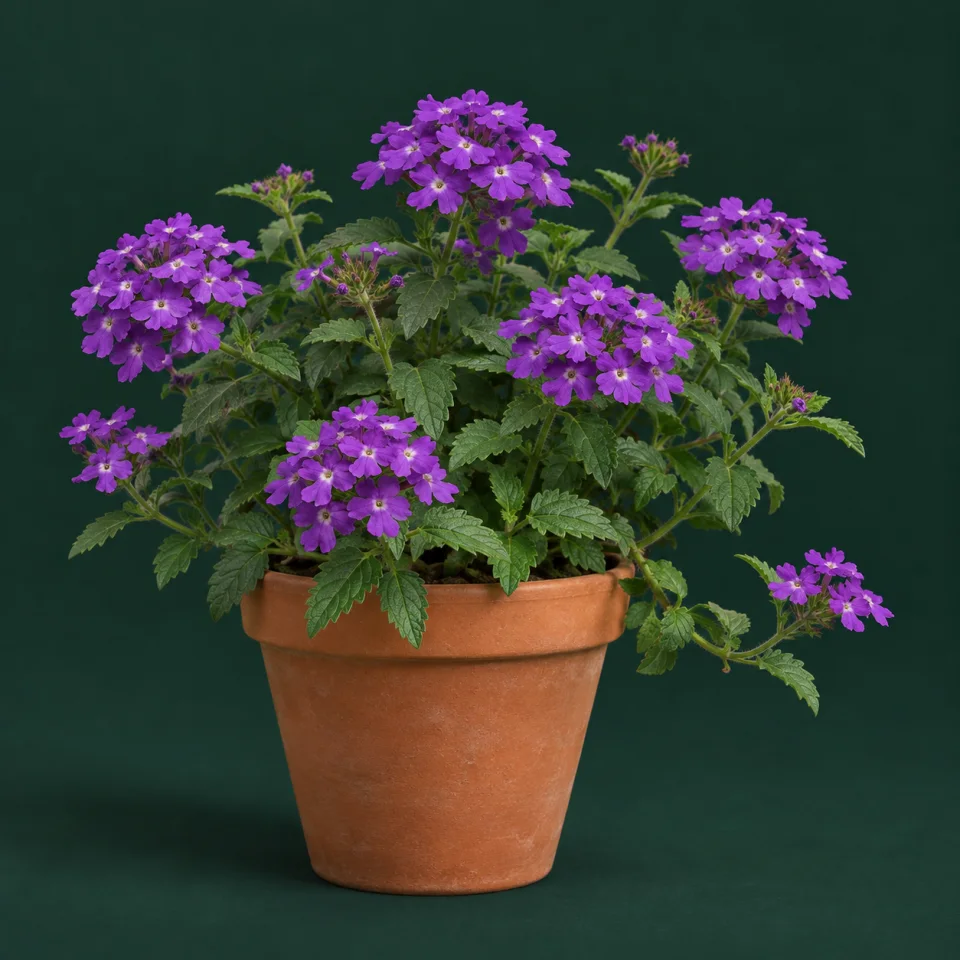
Botanical reference: Glandularia × hybrida
Check which verbena you are bringing home
This guide covers compact or trailing Glandularia garden hybrids, commonly sold as Verbena × hybrida or Glandularia × hybrida. It is not about tall Verbena bonariensis or a recommendation to use plants for herbal tea. Check the label’s name and growth habit: a trailing and an upright variety fill a windowbox differently.
Sun and air without crowding
Choose a sunny outdoor position and gradually acclimatise a plant fresh from a nursery. Leave space between plants and use secure supports for hanging pots. Low light can reduce flowering. Some varieties pause in intense heat; that does not automatically mean they need more fertiliser. Check the pot’s heat and moisture before intervening.
A pot needs more checking than garden soil
Feel the mix a little below the surface. If dry, water slowly onto the compost to moisten the rootball, keeping outlets clear and emptying the saucer. If still moist, wait. Heat, wind and small containers speed drying. Avoid routinely wetting the flowers or compensating for forgotten waterings by leaving the pot standing in water.
Drainage and repotting at the same depth
Use light, fertile, free-draining potting mix and drainage holes. Do not pack a planter so tightly that foliage is pressed together. If roots fill the nursery pot, move to a slightly larger one at the same rootball depth. Heavy soil and water-filled outer pots can contribute to root problems.
Measured feeding while it grows
Container plants usually benefit from a flowering-plant feed following the label. First check nutrients already in the mix and how long they last: do not double up on slow-release fertiliser. Do not feed to rescue waterlogged roots or increase doses for a heat-related flowering pause. Restore suitable growing conditions first.
Remove the finished cluster, not each petal
Once a flower cluster finishes, cut its stalk back to a point with healthy leaves using clean scissors. Light trimming of long, straggly stems may encourage branching; retain foliage and avoid hard pruning a stressed plant. Resistance and maintenance differ between series: check the label without expecting continuous flowers from every hybrid.
White powder or wilting: investigate first
A white powdery coating may be mildew. Give foliage space, improve airflow and seek identification if uncertain; not every white residue is fungal. A wilted plant in wet compost needs drainage and root checks before more water. Inspect shoots and leaf undersides for insects. Treat only confirmed problems according to the product label, without calendar-based preventive spraying.
Cold weather, holidays and curious mouths
Many hybrids are grown seasonally and cannot take frost: check the variety before trying to keep it another year and arrange suitable shelter. When away, ask someone to assess moisture according to the weather; its drought-tolerant reputation is not enough. Keep the botanical identification and prevent children or pets eating flowers, leaves or fertiliser. The common name verbena does not establish food or veterinary safety.
Guides to help with your decision

Which flowers to give to someone with cats or dogs
Flowers for a home with cats or dogs: options to consider, checking the whole bouquet and precautions with lilies, holly and mistletoe at Christmas.
How to care for petunias in pots and window boxes
Sun, watering, feeding and spent flowers for garden petunias, with variety differences and end-of-season care.
How to care for calibrachoa in pots and keep it flowering
Sun, watering, feeding, yellow leaves and cold: practical care for garden calibrachoa in containers and hanging baskets.
How to care for a French marigold in a pot
Sun, water, light feeding and spent heads: Tagetes patula care for a seasonal pot, distinct from pot marigold and taller African marigolds.
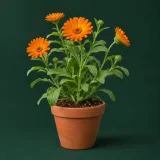
How to care for pot marigold through its growing season
Sun, moderate water, spent flowers, seeds and heat: Calendula officinalis care in containers, distinct from Tagetes marigolds.
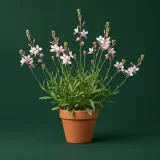
How to care for gaura in a pot
Sun, roots, watering, pruning and winter rain for Oenothera lindheimeri. Maintain its flower stems without confusing drought tolerance with freedom from care.
Frequently asked questions
Can potted verbena overwinter outdoors?
Not every hybrid can. Bedding verbenas are tender in frost; cultivar, climate and shelter matter. Check the label or nursery before cold weather rather than borrowing the hardiness of a different perennial verbena.
Why are there leaves but hardly any flowers?
Check sunlight, a dry or saturated rootball and existing fertiliser. Intense heat can also temporarily reduce flowering in some varieties. Remove spent clusters, correct the condition you find and avoid extra fertiliser without a reason.
Sources and what they support
- Texas Tech University · Garden verbena
Identity as Glandularia × hybrida, spreading or upright habits, clustered flowers and container uses; moderate fertility and possible flowering pause in intense heat. Its climate zone is not universalised.
- NC State Extension · Verbena × hybrida
Garden hybrids sold as Verbena × hybrida, with different habits and series; sun, draining mix, spent-flower removal and rot from excess water. Mildew resistance varies by cultivar.
- RHS · Verbena growing guide
Distinguishes bedding and perennial types; containers need moisture checks, watering the mix, label-led feeding and frost-free acclimatisation. Do not apply tall-perennial pruning to all compact hybrids.
- University of Illinois Extension · Garden verbena
Sun, fertile draining soil and trimming for shape when needed. Flowering months and cold references are local, not a winter-survival guarantee for every potted plant.
- University of California IPM · Verbena
Air movement and drainage; possible insects, powdery mildew and rots. A problem list does not diagnose an individual pot or justify preventive spraying. Covers several verbenas, checked against garden hybrids.
How we put these guides together
We review dates, care and recommendations to help you plan each gift.
Spotted something we should review? Contact Agenda Floral.