Guides
How to care for pot marigold through its growing season
Care difficulty3 out of 10
Pay attention to watering and light and placement.
Editorial guide, with suitable light and climate. 0: very easy; 10: very delicate. More stars mean more care.
Calendula needs a bright outdoor position, draining mix and regular moisture without waterlogging. Mild weather usually suits it better than prolonged heat. Remove spent heads, check the compost before watering and avoid trying to fix a heat-related pause with extra feed.
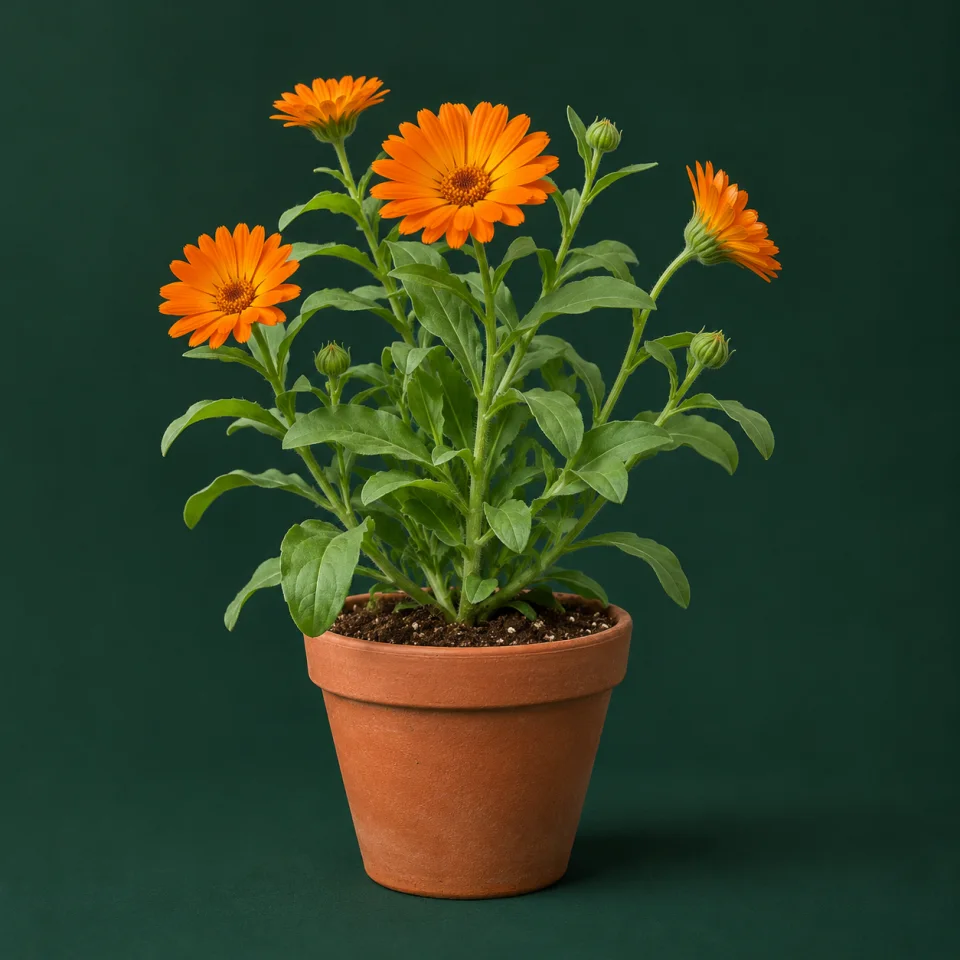
Botanical reference: Calendula officinalis
Check that it is Calendula officinalis
It has simple, slightly hairy leaves and daisy-like heads, often orange or yellow. It is not Tagetes, despite sharing the name marigold. Choose a variety whose size suits your container and keep the label. It is commonly grown as an annual: its cycle and your climate matter more than making every pot last for years.
Sun with attention to the hottest weather
Choose a sunny, airy outdoor spot and gradually acclimatise a nursery plant. On a very hot balcony, some shade during harsh hours may help; too much shade encourages straggly growth. If flowering pauses in a heatwave, review moisture and position without expecting its former appearance to return immediately.
Regular moisture with a clear water outlet
Feel the top few centimetres and lift the container. When the upper mix starts drying, water slowly onto the compost to moisten the rootball, let it drain and empty the saucer. Neither keep it sodden nor allow repeated wilting. Wind, pot size and temperature change drying time; a fixed weekday is unnecessary.
Loose mix and room to grow
Use draining potting mix and clear drainage holes. If roots fill the nursery container, move to a modestly larger one at the same depth. Leave space between plants to inspect leaves and heads; do not pack a planter for day-one appearance alone. Water left in an outer pot is not a helpful root reserve.
Light feeding and purposeful trimming
Check nutrients already in the compost before adding anything. It flowers better without excess fertiliser; if feeding is needed during growth, follow a suitable flowering-plant product’s label. A young plant may be pinched for branching, without constant pruning. Avoid hard cutting to rescue a plant exhausted by heat or wet roots.
Choose more flowers or save some seeds
Cut finished heads with their short stalk back to healthy leaves to encourage further flowers and clear deteriorating debris. To save seeds, let a few heads mature: curved seeds appear as petals fall, drying and darkening later. Varieties do not all self-seed alike. Keeping a seed guarantees neither germination nor an exact repeat of the parent pot.
White leaves, aphids or chewed edges
White powder may be mildew, but identify the problem first. Check shoots and undersides for aphids or whitefly; look for slugs or snails if leaves are chewed, especially on young plants. Improve airflow and remove rotting material. Decline in moist compost calls for checking roots and retained water before more watering. Avoid calendar-led preventive treatments.
Season’s end, holidays and pets
Prolonged heat or severe cold may slow or end the season depending on location; do not impose another climate’s months. Arrange moisture checks when away without leaving the pot submerged. Calendula officinalis is classified as non-toxic to dogs and cats, but that does not cover fertilisers or mixed pots. Discourage chewing; this is ornamental care, not a food or medicinal recipe.
Which flowers to choose
Compare flowers to choose the format, colours and care that suit the occasion.
Guides to help with your decision

Which flowers to give to someone with cats or dogs
Flowers for a home with cats or dogs: options to consider, checking the whole bouquet and precautions with lilies, holly and mistletoe at Christmas.
How to care for garden verbena in a pot
Sun, water, feeding, spent flowers and white powder on leaves: care for compact or trailing garden verbena through heat and cold.
How to care for a French marigold in a pot
Sun, water, light feeding and spent heads: Tagetes patula care for a seasonal pot, distinct from pot marigold and taller African marigolds.
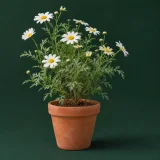
How to care for a marguerite daisy in a pot
Sun, watering, spent flowers and frost protection: practical Argyranthemum frutescens care for a patio or terrace.
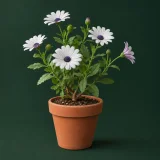
How to care for an African daisy in a pot
Sun, watering, flowering pauses and cold: practical care for an African daisy or osteospermum in a patio container.
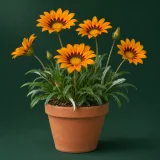
How to care for a gazania in a pot
Sun, drying between waterings, closed flowers and cold: practical Gazania rigens care for a free-draining terrace pot.
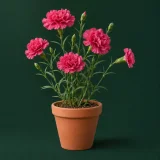
How to care for a carnation in a pot
Sun, watering, stems, spent flowers and winter: practical potted Dianthus caryophyllus care matched to its variety.
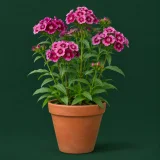
How to care for sweet William in a pot
Sun, watering, deadheading and renewing Dianthus barbatus. Keep its crown healthy and understand the cycle of this short-lived plant.
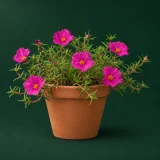
How to care for moss rose in a pot
Sun, watering and drainage for Portulaca grandiflora. Plant it gently, understand its flowers and plan for the end of a warm-season display.
Frequently asked questions
Can I keep it flowering all year?
There is no guarantee. Climate, variety, age and light shape its cycle, and prolonged heat can pause flowering. Adjust water and exposure to what you observe rather than forcing continuity with extra feed.
How do I start another pot from seeds?
Use clearly identified seeds and a small pot with loose mix and drainage. Cover lightly, keep moist without saturation and follow the packet’s conditions for your climate. Protect seedlings from severe cold; germination has no guaranteed deadline.
Sources and what they support
- University of Wisconsin Extension · Calendula
Identity and simple leaves versus Tagetes, container growing, sun, moderate water, light feeding, deadheading, curved seeds and pauses in prolonged heat. No flowering or self-seeding guarantee for every variety.
- NC State Extension · Calendula officinalis
Sun with some shade in hot summers, poor performance in heat/drought, pinching and deadheading; possible aphids, slugs, snails, whitefly and mildew. Symptoms are not a diagnosis; no copied months.
- University of New Hampshire Extension · Calendula
Loose draining medium and even moisture, annual growing and seeds covered with mix in suitable conditions. Local dates, spacing and germination are not a home guarantee.
- ASPCA · Garden marigold
Calendula officinalis classified as non-toxic to dogs and cats. Not transferable to Tagetes or applied products, and not a feeding recommendation.
How we put these guides together
We review dates, care and recommendations to help you plan each gift.
Spotted something we should review? Contact Agenda Floral.