Guides
How to care for a peace lily without waterlogging its pot
Care difficulty5 out of 10
Pay attention to watering and growing conditions.
Editorial guide, with suitable light and climate. 0: very easy; 10: very delicate. More stars mean more care.
A peace lily needs indirect light and a mix that retains moisture without staying sodden. Water when the top few centimetres dry and let it drain. If its leaves droop, feel the compost first: adding water to already wet roots can make matters worse.
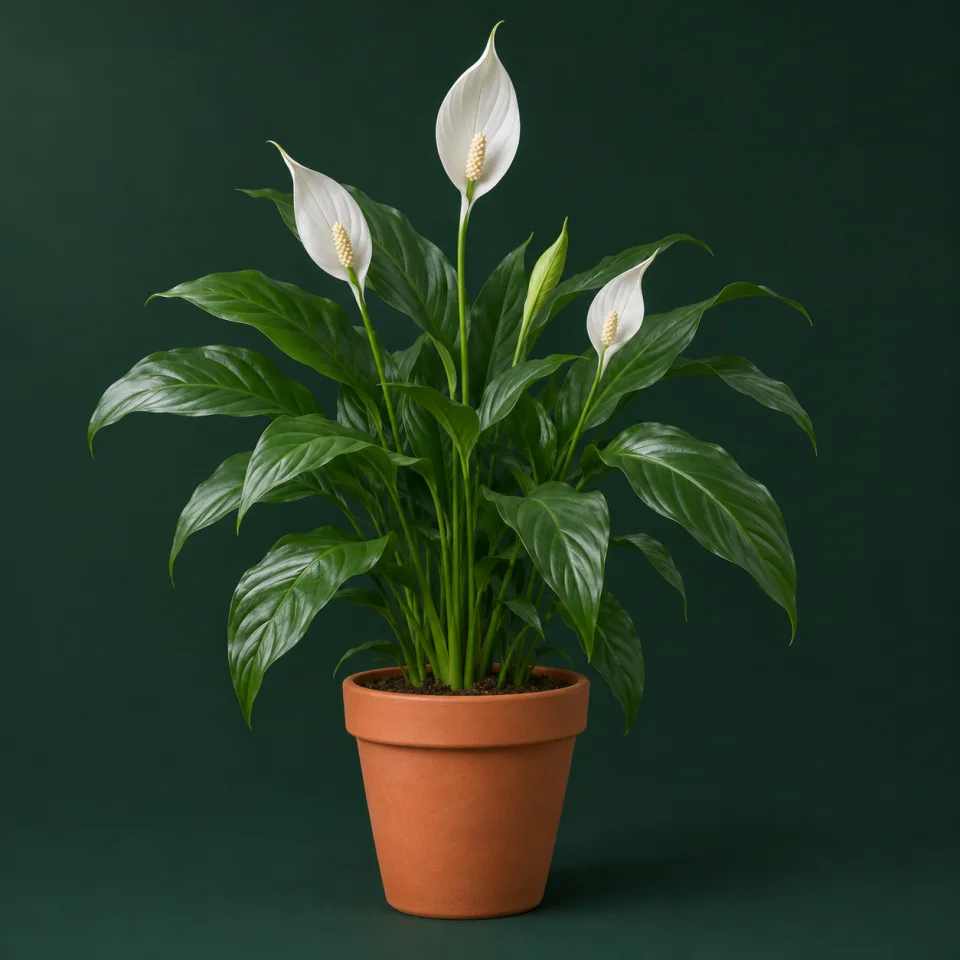
Botanical reference: Spathiphyllum wallisii
Choose somewhere you can check it
Spathiphyllum wallisii is a clumping plant with green leaves and white spathes. Other commercially sold peace lilies may differ in size and behaviour: keep the label. Choose a warm room away from direct heaters and cold draughts. If children or pets can chew it, choose another plant rather than relying only on a higher shelf.
Deep shade does not help flowering
Move it near a bright window with filtered light, away from strong sun on the leaves. It can survive lower light but will grow more slowly and may not flower. If it makes leaves only, improve its position gradually before anything else; do not put it straight into strong sun or try to replace light with extra feed.
Water by moisture, not by drooping
Check the top few centimetres and lift the pot. When that zone is dry, water slowly to moisten the rootball, let it drain and empty the saucer or outer pot. Do not always wait for collapse: repeated drying weakens it. If it wilts while the compost is wet, check drainage and roots before watering again.
Drainage holes and a sensible pot size
Use an organic-matter-rich, draining houseplant mix and clear drainage holes. Repot when roots are genuinely crowded, moving only a little larger at the same depth. If it dries immediately, check the rootball before simply increasing waterings. An oversized pot can hold moisture for too long.
Cleaning, air moisture and moderate feeding
Wipe dust away with a soft damp cloth and keep it away from hot, dry air. Brown edges may also involve watering, water quality or salts: misting cannot solve all these causes. If water seems involved, try clean rainwater. Feed during growth as labelled, accounting for nutrients already in the mix; do not feed waterlogged roots as a rescue.
A green spathe is not necessarily a problem
The white part is a modified leaf surrounding the spadix, which carries tiny flowers. It can turn green and later deteriorate with age. It does not have to stay white forever. When a spathe or leaf finishes, cut its stalk at the base with clean tools and gloves, without pulling healthy shoots or cutting down the whole clump.
Dry tips, yellowing or insects
A brown tip cannot turn green again. Review sun, moisture, feeding and roots before treating. Several yellow leaves with wet compost call for a check for excess water; one old leaf may simply be ending its life. Inspect undersides and bases for insects or cottony deposits; isolate confirmed pests. Correct an identified cause rather than adding products experimentally.
Slower growth, holidays and safety
Less light usually means less water use: check and adjust without a fixed schedule. Before going away, arrange a moisture check rather than leaving pooled water. Sap can irritate and ingestion is harmful; the plant is toxic to dogs and cats. Keep trimmings out of reach, wear gloves and wash hands. Contact a medical professional or vet for suspected ingestion with the plant’s name, without home remedies.
Guides to help with your decision

Which flowers to give to someone with cats or dogs
Flowers for a home with cats or dogs: options to consider, checking the whole bouquet and precautions with lilies, holly and mistletoe at Christmas.
How to care for a Phalaenopsis orchid indoors
Light, watering and roots: care for a Phalaenopsis pot, spot problems and keep the plant after flowering.
How to care for a spider plant and understand brown tips
Light, watering, roots, plantlets and dry leaf tips: what to check when caring for a spider plant at home without overdoing water or feed.
How to care for a potted anthurium and keep roots healthy
Light, watering, airy mix, spathes and brown leaves: practical flowering anthurium care with clear reasons and pet precautions.
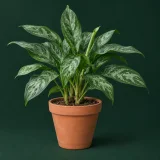
How to care for an aglaonema in a pot
Indirect light, watering, cold and yellow leaves in Aglaonema commutatum. Keep its roots healthy without leaving the mix constantly wet.
Frequently asked questions
Why is it drooping while the mix is moist?
Waterlogged roots may not work properly; more water will not help. Check drainage, retained water and the rootball. If you just watered a previously dry plant, give it time and observe. If it worsens, seek help with photos of the plant and roots.
How can I get it to flower again?
Start with bright indirect light and healthy roots, with proportionate water and feed. There is no guaranteed date: maturity, variety and conditions matter. An ageing spathe or a flowerless period does not mean it needs forcing with extra fertiliser.
Sources and what they support
- NParks Singapore · Peace lily
Identity as Spathiphyllum wallisii, clumping perennial for pots, indirect light and sensitivity to waterlogging; repeated wilting is harmful. Tropical growing schedules are not copied.
- RHS · Peace lilies
Indirect light, surface drying before watering, feeding during growth as needed, repotting for crowded roots, faded leaves/spathes cut at the base and gloves for irritating sap. Low light can limit flowering.
- NC State Extension · Spathiphyllum
Spathe as a modified leaf, greening with age, damp-cloth cleaning, several causes of damaged tips, salts and excess feed. Genus profile, without universal spathe duration, size or months.
- ASPCA · Peace lily
Spathiphyllum is toxic to dogs and cats through insoluble oxalates, with possible oral irritation and swallowing difficulty; seek veterinary advice for suspected ingestion. No safe dose or home treatment.
How we put these guides together
We review dates, care and recommendations to help you plan each gift.
Spotted something we should review? Contact Agenda Floral.