Guides
How to care for an African violet in a pot
Care difficulty6 out of 10
Pay attention to watering and growing conditions.
Editorial guide, with suitable light and climate. 0: very easy; 10: very delicate. More stars mean more care.
African violet needs indirect light, steady warmth and a light mix with some moisture. Wait until the surface dries before watering with room-temperature water, keeping leaves and centre dry. Always let it drain. A small pot proportionate to its roots works better than an enormous container. If flowering stops, check light, temperature and roots before adding feed.
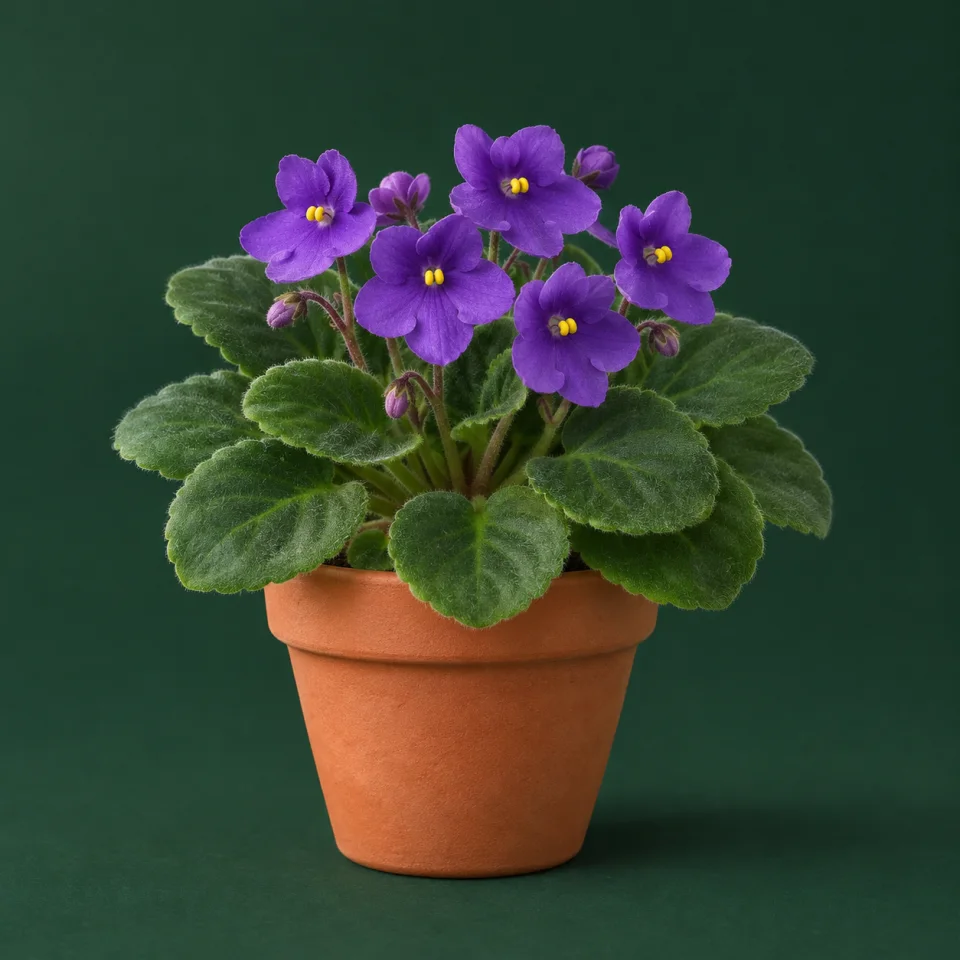
Botanical reference: Streptocarpus sect. Saintpaulia
An indoor rosette rather than a garden violet
African violets now belong to Streptocarpus section Saintpaulia; labels still use Saintpaulia. Cultivars have soft rosette leaves and single or double flowers in varied colours. They are not garden Viola, and these instructions do not apply identically to every Streptocarpus. Keep the label and note the variety’s size: a miniature and a large plant need different pots.
Gentle brightness and steady temperature
Choose filtered light near a window. Strong sun can scorch leaves; a dark shelf can stop flowering. Around 18–24°C during the day is a useful guide. Avoid cold glass, draughts and radiators. In dry air, move away from heat and group plants without crowding foliage. It does not need misted leaves or a permanently wet, enclosed home.
Water the mix and empty the surplus
Touch the surface and feel the pot’s weight. When the top has dried, wet the mix slowly around the edge with room-temperature water, avoiding the crown. Alternatively let it absorb from below, removing it when the surface feels moist. Then drain and empty the saucer. Never keep it standing in water or leave the whole rootball dry for days. Bottom watering is an option, not a requirement.
Fine roots in a proportionate pot
Use clear drainage holes and a light African-violet or houseplant mix that drains without compacting. A very deep or enormous pot holds water a small root system cannot use. Refresh deteriorated or salt-laden mix and increase size only slightly when roots need it, preferably during growth. Keep the previous planting level and do not bury the rosette centre. Support the rootball without pulling fragile leaves.
Mild feed and a soft dry brush
During growth, if nutrients are needed, use mild feed suited to the label and nutrients already in the mix. Avoid concentrated feed on dry roots or higher doses to compensate for low light. Remove dust with a soft dry brush without scrubbing the leaf hairs. Cut spent flowers and damaged leaves with a clean tool, protecting the centre. Removing a ring of healthy leaves is unnecessary for repeat flowering.
A leaf can start another plant
For a cutting choose a healthy, nearly mature leaf with its petiole, the small stalk joining it to the plant. Insert the stalk into an airy, barely moist mix, leaving the blade at the surface rather than buried. Provide indirect light and gentle warmth. If using a clear cover, ventilate and avoid direct sun or trapped water. Wait for new plantlets to develop leaves and roots before separating. Timing and success are never certain.
Soft leaves or marks call for a cause check
Drooping can accompany dryness or roots damaged by retained water. Check moisture, drainage and the base before watering more; a soft centre in wet mix needs investigation. Spots can relate to cold, droplets, sun or disease rather than one deficiency. Look for mealybugs, aphids or thrips and separate an affected plant before treatment. Avoid experimenting with homemade mixtures on delicate leaves.
Time away and living together
When away, leave instructions to touch the surface, water without wetting the rosette and drain. A small pot may dry sooner: in heat, ask for help rather than choosing an enormous pot or a full saucer. African violet is listed as non-toxic to dogs and cats, but is not food and does not make fertilisers or treatments safe. Discourage chewing; consult a vet if an animal develops symptoms after ingestion, giving the identity and products used.
Which flowers to choose
Compare flowers to choose the format, colours and care that suit the occasion.
Guides to help with your decision

Which flowers to give to someone with cats or dogs
Flowers for a home with cats or dogs: options to consider, checking the whole bouquet and precautions with lilies, holly and mistletoe at Christmas.
How to care for a Phalaenopsis orchid indoors
Light, watering and roots: care for a Phalaenopsis pot, spot problems and keep the plant after flowering.
How to care for a Christmas cactus in a pot
Light, watering, buds and cuttings for Schlumbergera × buckleyi. Care for this forest cactus without treating it like a desert plant.
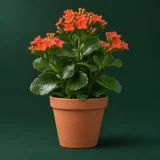
How to care for a kalanchoe in a pot
Light, water, flowers and Kalanchoe blossfeldiana cuttings. Allow drying between waterings and keep the plant after flowering. Toxic to pets.
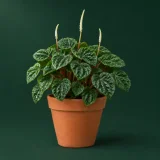
How to care for a ripple peperomia indoors
Watering, light and roots for Peperomia caperata, with checks for normal leaf ridges versus stress and a practical leaf-cutting method.
Frequently asked questions
Why leaves but no flowers?
Check indirect brightness, cold and whether the pot is too large or stays wet. Lack of flowers alone does not show that extra feed is needed. Adjust what you observe gradually; a plant can remain alive between flowering periods and continuous bloom is not guaranteed.
Can it only be watered from below?
No. Water the mix directly with a narrow spout avoiding leaves and crown, or let it absorb from below then remove and drain. Checking moisture and removing surplus water matter most. A constantly full saucer is not the same as a properly prepared wick system.
Sources and what they support
- RHS · Growing African violets
Identity, light, stable warmth, water avoiding crown/leaves, roots and proportionate pots, mild feeding, cleaning and cuttings. No British months, universal light hours, fixed repotting calendar or guaranteed flowers.
- University of Minnesota Extension · African violets (2026)
Fine roots, airy mix, top/bottom watering and drainage, dry brush and overwatering/overfeeding problems. A wick system differs from leaving a full saucer; neither it nor its water/feed recipe is imposed.
- New York Botanical Garden · Streptocarpus section Saintpaulia
Saintpaulia section and cultivars, light, moderate moisture, airy mix, roots/rot and leaf-with-petiole cuttings. Not extended to every Streptocarpus, compulsory healthy-leaf removal or spoon-by-spoon rescue prescriptions.
- ASPCA · African violet
Lists Saintpaulia spp. as non-toxic to dogs and cats. Not extended to every violet, other common names, food, fertilisers or treatments.
How we put these guides together
We review dates, care and recommendations to help you plan each gift.
Spotted something we should review? Contact Agenda Floral.