Guides
How to care for a prayer plant in a pot
Care difficulty7 out of 10
Pay attention to watering and growing conditions.
Editorial guide, with suitable light and climate. 0: very easy; 10: very delicate. More stars mean more care.
Maranta needs indirect light, gentle warmth and steady moisture without standing water in the pot. Water as the upper mix begins losing moisture and let it drain; the top may dry a little more during slow growth. Very dry air needs attention too. Leaves can naturally rise at night: that movement is not a request for another watering.
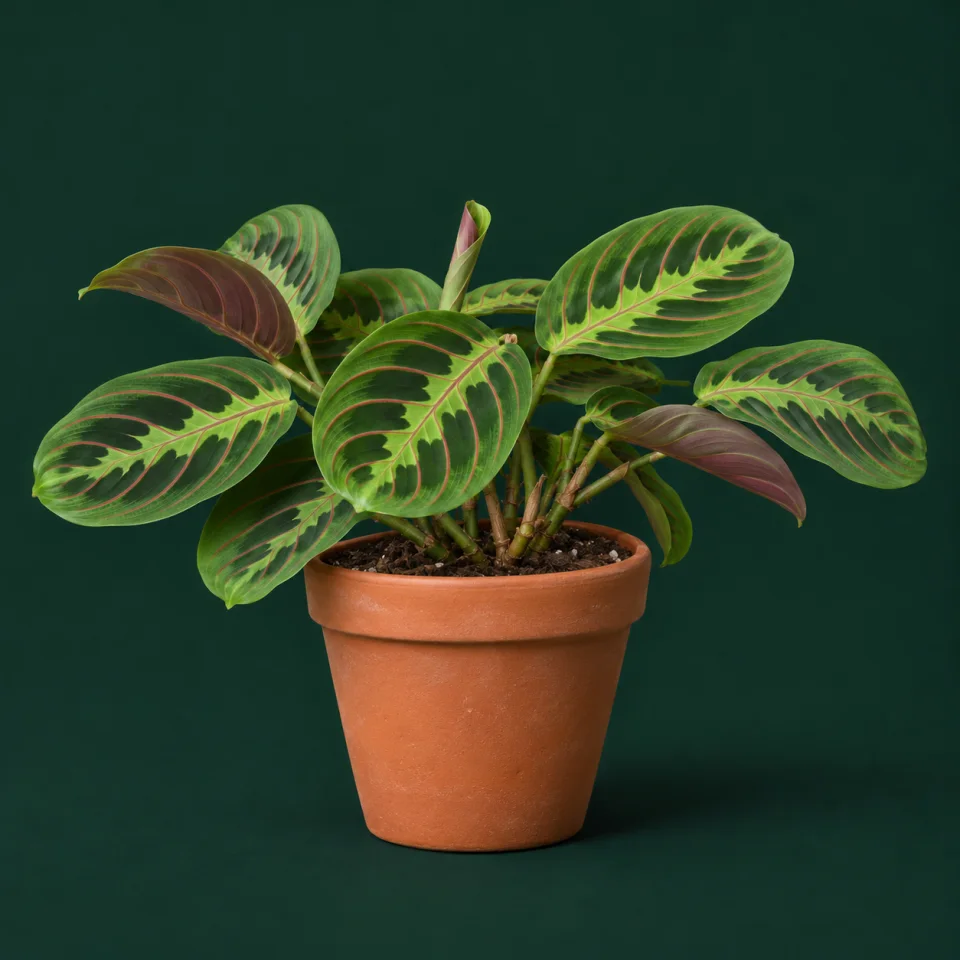
Botanical reference: Maranta leuconeura
Identify your maranta
Look for Maranta leuconeura. It grows low and spreads, with oval leaves in varied patterns, blotches and coloured veins. Prayer plant also describes other plants, including some calatheas; the common name is not enough. New leaves emerge rolled before opening. Choose somewhere it can widen or trail rather than trying to train it as a tall upright plant.
Filtered light and steady warmth
A sheer curtain or indirect window light usually suits better than harsh sun, which may fade patterns or damage leaves. Avoid a dark room corner too. Around 18–21 °C is a useful room-temperature guideline, without abrupt changes or cold draughts. Keep clear of cold glass and heaters. Introduce a different position gradually and watch the plant as a whole during the day.
Keep moisture without soaking
Feel below the surface and check the container’s weight. During growth, water as the top begins losing moisture, before the entire root ball dries. Wet slowly and empty the saucer or outer pot after draining. Lower light and slower growth allow a little more drying in the upper few centimetres and less water. Winter should not mean a completely parched root ball or a fixed watering day.
A draining pot with loose mix
Use airy houseplant mix that holds some moisture and a stable pot with holes. An oversized container may retain more water than the plant uses. If roots fill the space or the mix compacts, repot a proportionate size up during growth. Keep the previous level, without burying stem bases deeper, and handle the root ball gently. A complete annual pot change is not compulsory.
Dry air is not fixed by wetter roots
If it stands by a heater or dry airflow, change that condition first. A bright room with steadier humidity helps. A hygrometer can check the air; a pebble tray or brief misting may not be enough. Keep the pot base above tray water. With very mineral-rich water, consider clean collected rainwater or a low-mineral alternative; leaving water to stand does not remove its salts.
Feeding, cleaning and small cuts
While leaves grow, use foliage-plant fertiliser according to its label and existing nutrients, without combining products. Excess salts can damage tips. Reduce or pause during slow growth. Remove dust gently and avoid water collecting around stem bases. Cut dry material with clean scissors; routine heavy pruning is unnecessary. If dividing during repotting, retain roots and shoots on each section rather than tearing apart a small plant just to multiply it.
Separate leaf movement from damage
Leaves may rise and fold at night, then open by day as part of their rhythm. Persistent daytime rolling, crisp edges or drooping needs checks of mix, air humidity, light and cold. A brown tip does not identify one cause. Inspect undersides and nodes for mites or mealybugs. Isolate an affected plant and identify the problem before extra water, feed or treatment.
Absences and pets at home
Leave instructions for feeling the mix and emptying excess water, not submerging roots for days away. Correctly identified, it is considered non-toxic to dogs and cats, but is not food. Discourage chewing and access to mix, particularly with fertilisers or applied products. Collect trimmings. Consult a vet if a pet develops symptoms after eating it or you do not know what it swallowed.
Guides to help with your decision
Which flowers to give to someone with cats or dogs
Flowers for a home with cats or dogs: options to consider, checking the whole bouquet and precautions with lilies, holly and mistletoe at Christmas.
How to care for a spider plant and understand brown tips
Light, watering, roots, plantlets and dry leaf tips: what to check when caring for a spider plant at home without overdoing water or feed.
How to care for a parlour palm in a pot
Light, watering, roots and brown tips: care for Chamaedorea elegans without overwatering or mistaking slow growth for trouble.
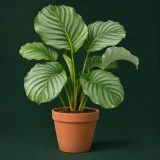
How to care for calathea orbifolia in a pot
Filtered light, water, air humidity and brown leaves in Goeppertia orbifolia. Learn to water it without keeping its roots soaked.
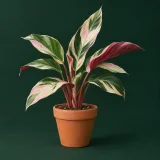
How to care for a Triostar stromanthe in a pot
Light, watering, humidity and pink leaves in Stromanthe thalia Triostar. Separate natural leaf movement from problems needing attention.
Frequently asked questions
Is it dying because its leaves close at night?
Not necessarily. A healthy maranta can naturally lift or fold leaves at dusk and open them later. Check its daytime condition and feel the mix before watering. Night movement alone does not indicate dryness.
Should I cut off every brown tip?
A few tips do not mean cutting the whole plant back. Check root and air moisture, water, salts and position first. Dry tissue will not turn green again; trim only damaged parts if needed with a clean tool, then watch new leaves.
Sources and what they support
- NC State Extension · Maranta leuconeura
Identity, horizontal growth, rolled new leaves and night movement; indirect light, cold and salts. Winter drying is checked against NYBG rather than drying the entire root ball.
- New York Botanical Garden · Prayer plant care
Steady moisture, reduced water with upper drying in slow growth, mild warmth, water and air humidity. No New York months, fortnightly feed or compulsory terrarium.
- RHS · Maranta leuconeura
Filtered light, draining mix, no required pruning and division. Shade is not darkness, misting is no guarantee and H1B is not an ideal room temperature.
- Veterinary Poisons Information Service · Pet-safe plants
The list names Maranta leuconeura and warns that eating any plant may cause digestive upset. This is not food safety or clearance for fertilisers and treatments.
How we put these guides together
We review dates, care and recommendations to help you plan each gift.
Spotted something we should review? Contact Agenda Floral.