Guides
How to care for basil in a pot
Care difficulty5 out of 10
Pay attention to watering and growing conditions.
Editorial guide, with suitable light and climate. 0: very easy; 10: very delicate. More stars mean more care.
Basil needs plenty of light, gentle warmth and regularly moist soil without standing water. Check the pot often in warm weather; do not dry it like a cactus. Harvest tips above a pair of leaves to encourage branching and protect from cold. A supermarket pot usually contains many seedlings for short-term picking: division may help but will not turn it into a permanent plant.
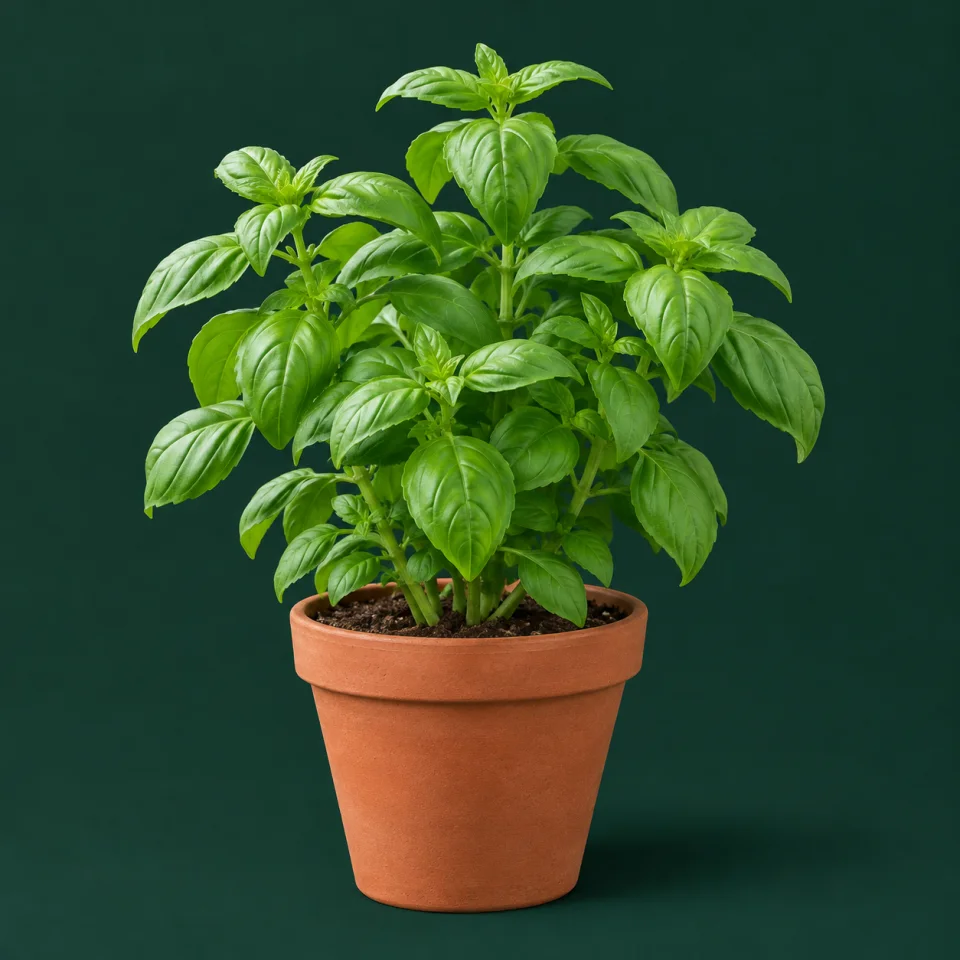
Botanical reference: Ocimum basilicum
Culinary sweet basil, rather than every plant called basil
This guide covers Ocimum basilicum, the culinary species with cultivars including broad green-leaved types. Keep the label: tulsi, other species and hybrids may need different care. It is commonly grown as a seasonal crop. A warm, very bright window may extend its use, but not every home can support abundant leaves year-round. For eating, choose an identified plant grown for culinary use.
Sun and warmth, with a gradual move to the balcony
Choose a sunny position sheltered from cold winds. Move a plant intended for growing outdoors when weather is warm and frost risk has passed, gradually acclimatising to sun. A wall storing intense heat can greatly increase water demand. Indoors, use a bright window rather than a dark worktop. The season depends on your climate, not the language of this guide.
Regular moisture without roots sitting in a puddle
Feel the upper layer and lift the container. As it starts drying, water slowly to moisten the rootball, drain and empty the saucer. Avoid waiting until the entire pot is dry. Warm weather may require frequent checks without a fixed daily watering rule. If it wilts while the mix remains wet, do not add water blindly: examine heat, roots and drainage. Arrange these checks with a helper during absences.
Allow space and recognise the supermarket pot
For a grown plant, a container around 20cm wide and deep is a useful reference, adjusted for cultivar and size. Use drainage holes, container mix and the original planting depth. Avoid crowding seedlings. Supermarket pots are often very dense: gently divide small groups with healthy roots and repot to keep indoors, limiting the risk of introducing problems outside. For the balcony or garden, start from seed or a nursery plant intended for growing.
Feed for leaves without trying to compensate for cold
If mix reserves no longer support a growing plant, a suitable balanced liquid feed at label rates can help maintain harvests. Account for fertiliser already in the mix and avoid doubling doses. Do not automatically copy a high-potassium flowering-pot feeding plan. Extra feed will not fix low light, cold or waterlogged roots; demand falls in those conditions, so address the cause.
Pick tips and leave foliage to keep growing
Cut a tip just above a leaf pair with a clean tool, leaving foliage and shoots below. This encourages branches rather than a bare stem. Take little from a small plant without stripping all large leaves at once. For tender leaves, remove developing flower tips. You can also let one plant flower for pollinators while keeping another for the kitchen.
Restart with seed or cuttings without a rooting deadline
Sow with warmth, light and moisture without saturation, thinning seedlings to allow airflow. Alternatively, take a healthy non-flowering tip: cut below a node, remove lower leaves and root in clean water or suitable medium. Pot it when enough roots have formed, without a guaranteed time. Shelter before cold may extend an existing plant if there is indoor light and warmth; it will not guarantee a summer-sized winter harvest.
Yellow or marked leaves need checks before treatment
Examine moisture, drainage, cold and leaf undersides before assuming a feeding problem. Separate affected plants and remove damaged material; spots or wilt can also accompany disease. Avoid guessing with products on something you will eat: they must suit the crop and be used according to the label. Ocimum basilicum is classified non-toxic to dogs and cats, which does not make concentrated oils or growing products safe food. Ask a vet if an animal develops symptoms.
Guides to help with your decision

Father’s Day in Peru: flowers to give and the 2027 date
Father’s Day in Peru is the third Sunday of June: 20 June 2027. Flower and plant ideas, when to buy and a message for the card.

Which flowers to give to someone with cats or dogs
Flowers for a home with cats or dogs: options to consider, checking the whole bouquet and precautions with lilies, holly and mistletoe at Christmas.
How to care for rosemary in a pot
Sun, water, drainage, pruning and cold protection for Salvia rosmarinus. Keep your rosemary leafy without soaking roots or cutting into bare old wood.
How to care for spearmint in a pot
Light, water, roots, pruning and harvesting for Mentha spicata. Keep steady moisture without waterlogging and give it its own pot to contain spreading.
How to care for culinary sage in a pot
Sun, water, harvest and pruning Salvia officinalis. Keep fresh shoots without cutting into bare wood and protect pots from excessive rain.
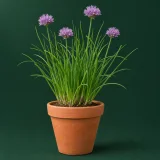
How to care for chives in a pot
Light, water, harvest and division of Allium schoenoprasum. Keep useful leaves without dry roots or mistaking dormancy for a dead plant.
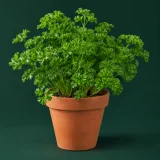
How to care for parsley in a pot
Light, water, sowing and harvest of Petroselinum crispum. Protect its roots and know when a flowering plant needs replacing for leaf crops.
Frequently asked questions
Why does supermarket basil die so quickly?
The pot usually holds numerous seedlings intended for brief harvesting. They compete for water, light and root space, worsened by a dark or cold room. If healthy, gently divide into small groups and give proportionate containers and plenty of indoor light. This offers a chance to extend the crop, without a guarantee. Keep these plants inside; use seed or nursery growing plants for outdoor cultivation.
Can it share a pot with rosemary or spearmint?
Its own pot makes watering easier to adjust: basil needs more regular moisture than established rosemary, while spearmint can occupy the space with spreading underground stems. Group separate containers if you want them together. Each can then move to its needed sun or shelter without sharing the same soil and watering.
Sources and what they support
- RHS · Grow your own basil
Warmth, sun, regular moisture without waterlogging, suitable containers, pinching, harvest, balanced feed and propagation. Supermarket pots contain crowded seedlings for short use; division may help without a guarantee. Keep those plants indoors for biosecurity; use seed or nursery plants outside. No transfer of UK months.
- NC State Extension · Ocimum basilicum
Culinary species, cultivars, sun, moist draining soil, frost sensitivity, pinching and problems. Often grown as an annual does not make every Ocimum annual or hardy; no transferring cultivar tolerances to all plants.
- ASPCA · Basil
Ocimum basilicum is classified non-toxic to dogs and cats. Not extended to all Ocimum, concentrated oils, growing products or pet feeding quantities.
How we put these guides together
We review dates, care and recommendations to help you plan each gift.
Spotted something we should review? Contact Agenda Floral.