Guides
How to care for spearmint in a pot
Care difficulty4 out of 10
Pay attention to watering and regular maintenance.
Editorial guide, with suitable light and climate. 0: very easy; 10: very delicate. More stars mean more care.
Spearmint needs brightness and fairly steady soil moisture without standing water. Water as the upper layer starts drying and let it drain; avoid waiting for the entire rootball to dry. Grow it in its own pot because rhizomes spread. Harvest tips moderately to encourage branches and check roots when the container fills.
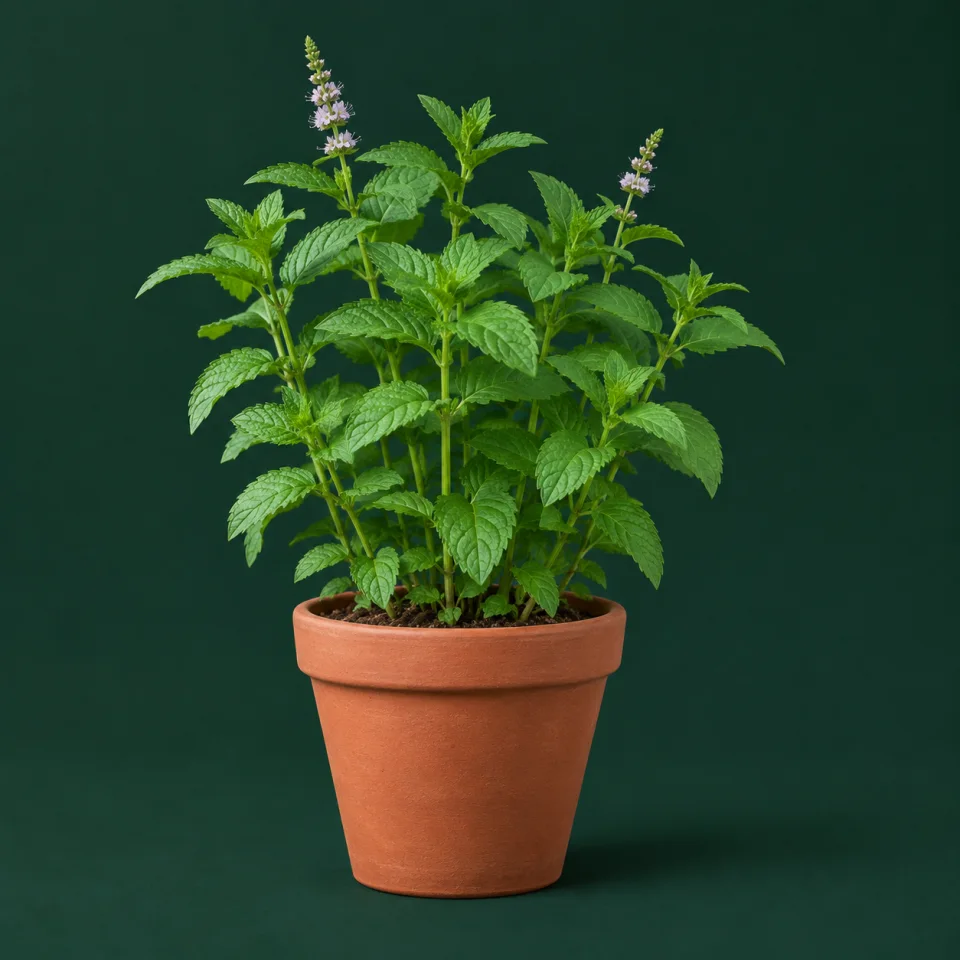
Botanical reference: Mentha spicata
Identify spearmint before kitchen use
This guide covers Mentha spicata, with paired toothed green leaves and square stems. Mint names vary, and scent alone cannot identify a species. Buy a labelled culinary plant if harvesting and check treatments used. Not every mint is edible, and spearmint should not be confused with pennyroyal. It is perennial, though its above-ground growth may die back in cold dormancy.
Its own pot to protect neighbouring plants
Rhizomes are underground stems producing new shoots and quickly occupying space. Give it a separate container and watch stems touching other pots or roots emerging from holes. A pot helps contain it but cannot make escape impossible. Avoid expecting a bottomless buried pot to form a perfect barrier; collect clippings rather than leaving them where they can root.
Sun or partial shade to match balcony heat
It grows in sun or bright partial shade. On a very hot balcony, shade during harsh hours helps the mix lose water less rapidly. Acclimatise exposure changes gradually. A dark kitchen cannot replace outdoor brightness. Leave air between stems and avoid a heat-storing wall if the pot dries within hours.
Check moisture before it collapses
Feel the surface and lift the pot. When the upper layer starts drying, moisten the rootball slowly and allow excess water out. Empty the saucer. Aim for regular moisture, not a permanent puddle or soil left completely dry for days. Heat, wind and small pots need more checks. During absences ask for help using these signs; rain forecast cannot guarantee water beneath an overhang.
Refresh space and mix when roots need it
Use a moisture-retaining container mix that does not compact, with clear holes. If packed roots cause rapid drying, move up a size or divide an established clump, keeping a healthy portion with roots and shoots in fresh mix. Choose mild conditions and good growth rather than dividing a weak plant into tiny pieces. This avoids indefinitely increasing container size.
Harvest tips and feed according to growth
Cut healthy tips above a pair of leaves to encourage branching without stripping a young plant. After flowering, trim stems to renew growth; some spikes can remain for pollinators. If nutrients are needed, feed according to the label, growth and existing reserves. Avoid doubling doses to compensate for crowded roots or missing water. Use only plants grown and treated for kitchen purposes, not damaged leaves.
Dormancy and cuttings without year-round leaf promises
Cold can kill back the top without killing the whole plant. Remove truly dry stems, keep checking soil and reduce water as demand drops without saturating it. Protect the pot from severe or prolonged cold according to your climate. To propagate, put a healthy shoot’s leafless base in clean water or a moist draining mix; pot up when enough roots develop. Rooting time varies, and you cannot count on a winter harvest.
Check spots, insects and animals chewing
Drooping, yellowing or spots can accompany drought, root damage, rust or other issues. Check moisture, undersides and base; separate an affected plant and identify the cause before treatment. If you harvest the leaves, do not apply fungicide without first identifying the problem and checking that the product is suitable. Human culinary use does not make mint food for dogs and cats: digestive symptoms can occur, especially with large ingestion. Prevent access to the plant and concentrated oils; ask a vet about concerning ingestion or symptoms.
Guides to help with your decision
Which flowers to give to someone with cats or dogs
Flowers for a home with cats or dogs: options to consider, checking the whole bouquet and precautions with lilies, holly and mistletoe at Christmas.
How to care for rosemary in a pot
Sun, water, drainage, pruning and cold protection for Salvia rosmarinus. Keep your rosemary leafy without soaking roots or cutting into bare old wood.
How to care for thyme in a pot
Sun, water, pruning, cuttings and winter rain for Thymus vulgaris. Protect its roots and pick sprigs without stripping the plant.
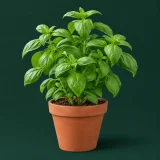
How to care for basil in a pot
Sun, warmth, water and harvesting basil. Avoid a dried-out pot, handle crowded supermarket plants and pick without stripping the stems.
Frequently asked questions
Can it share a pot with rosemary or thyme?
Its own pot is more practical. Spearmint spreads by rhizomes and needs more moisture than these herbs with pronounced drying needs. Separate containers allow individual watering and root renewal without affecting neighbours. Sharing a balcony need not mean sharing soil.
It lost its leaves in cold weather. Should I discard it?
Avoid judging only from the stems. It may be dormant with living rhizomes. Check base and roots without unnecessary disturbance, protect the container and adjust water to demand. A soft base in soaked mix needs investigation, and regrowth is not always guaranteed.
Sources and what they support
- RHS · Growing mint
Mentha spicata versus other mints, separate pot, sun/part shade, moisture, rhizomes, division/cuttings, harvest and rest. Not every mint is culinary; no British calendar, limitless harvest or guaranteed containment by bottomless pots.
- NC State Extension · Mentha spicata
Identity, opposite serrated nearly sessile leaves, square stems, spikes, moist draining mix, spread and rust/spots. Moist habitat does not prescribe waterlogging; culinary use does not make oils or large ingestion safe.
- ASPCA · Mint
Lists Mentha sp. as toxic to dogs/cats and describes digestive symptoms with large ingestion. Genus-level scope, not an M. spicata dose study; no ingestion, essential oil or homemade veterinary remedy prescribed.
How we put these guides together
We review dates, care and recommendations to help you plan each gift.
Spotted something we should review? Contact Agenda Floral.