Guides
How to care for oregano in a pot
Care difficulty4 out of 10
Pay attention to watering and growing conditions.
Editorial guide, with suitable light and climate. 0: very easy; 10: very delicate. More stars mean more care.
Potted oregano needs sun, air and mix that drains freely. Check the upper few centimetres and weight before watering; an established plant in the ground handles drought better than roots confined to a pot. Harvest lightly while it establishes, trim above leaves to keep it compact and shelter the container from prolonged rain or severe cold according to your climate.
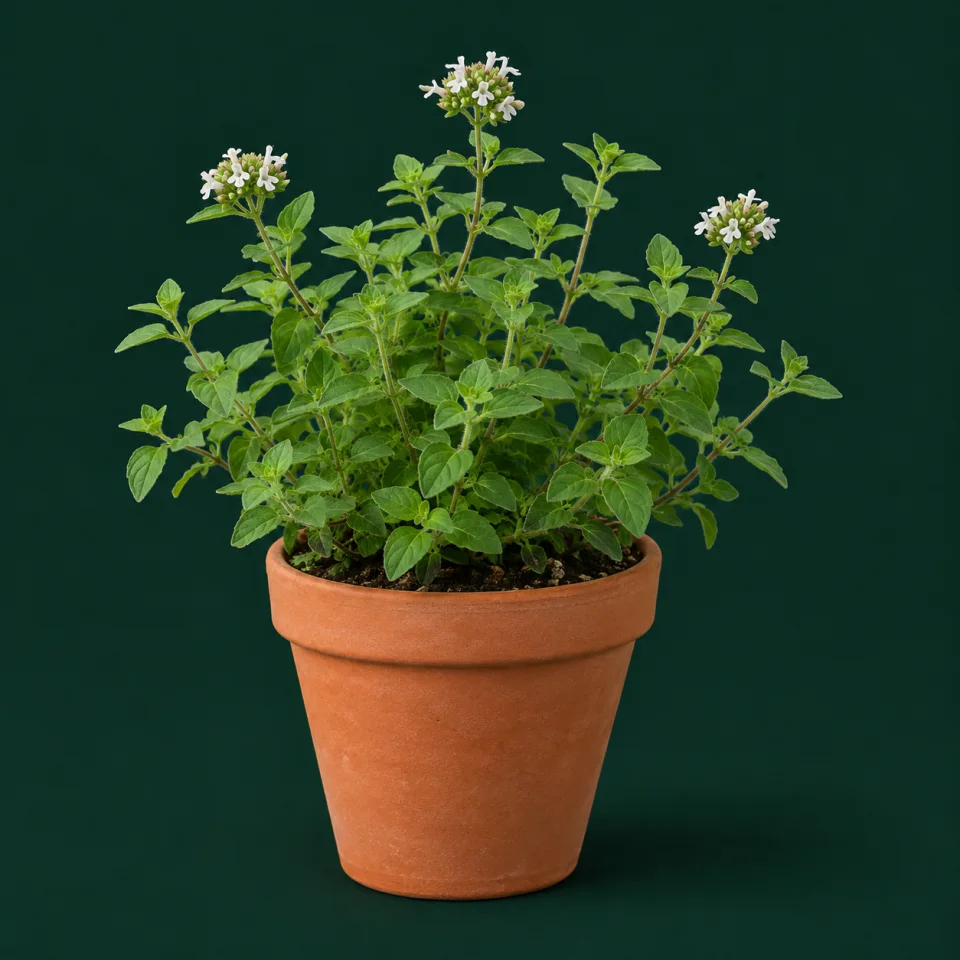
Botanical reference: Origanum vulgare
Choose identified oregano for the job
This guide focuses on Origanum vulgare, a perennial with small opposite leaves and a base that can become woody. It includes forms such as Greek oregano, Origanum vulgare subsp. hirtum, when the label identifies it. Not every plant called oregano belongs to this species. For cooking, buy an identified plant grown for food with compatible treatments; a photo and scent are not enough.
Sun and air, with gradual outdoor adjustment
Choose a sunny airy position. Acclimatise a plant from sheltered indoor conditions gradually, without exposing a tender young plant to frost. Some variegated forms need protection from the strongest sun. Shelter the pot during severe cold or persistent rain without taking away light. Ground hardiness does not mean all roots in containers withstand the same winter.
Useful room and clear drainage holes
About 15 cm wide and deep is a reference for a young plant, not a permanent size for every mature clump. Choose for roots and growth, using draining container mix with a mineral component if needed. Keep the planting level without burying the base. Move up modestly when roots fill the space or renew deteriorated mix; avoid lots of wet soil it cannot yet occupy.
A container plant still needs a drink
Newly planted oregano needs attention while rooting in. When the upper layer begins drying and the pot feels lighter, water the root ball and drain. Do not repeat in wet soil or wait weeks because a Mediterranean plant must tolerate everything. Heat and wind dry pots quickly; rain and cool weather can prolong wetness. For absences, ask someone to check these signs rather than water by rota or leave water in the saucer.
Light feeding and cuts that leave growth
A clump long kept in the same container may need modest suitable feed according to the label and mix reserves. There is no need to force giant leaves with heavy feeding. During growth trim tips above leaf pairs for shape and remove dead or straggly stems. After flowering, remove spent stalks if you want a more compact plant, without suddenly cutting a weakened clump hard.
Harvest a few sprigs rather than the whole pot
Let a young plant establish and begin lightly. On a healthy clump take young tips above a leaf pair, leaving enough green to continue. Keep some stems for flowers and visiting pollinators, or pick before flowers open for aromatic leaves. A few sprigs for a dish count as a harvest; you do not need to leave every stem bare to make use of it.
Divide a healthy clump when renewal is useful
A developed clump can be divided as growth resumes or after flowering in mild weather. Lift carefully and separate portions with both roots and shoots, rather than chopping a sick base to multiply it. Plant each at its previous level in a proportionate pot and water to settle without saturating. Allow rooting before harvesting. Seed does not necessarily preserve a cultivar’s character; no success timetable is guaranteed.
Check roots, leaf undersides and who can reach it
Wilting in wet mix calls for checking drainage and roots. Look for aphids, mites, mines or rust patches before treatment; separate affected parts and use only products allowed for edible crops according to the label. ASPCA lists Greek oregano (Origanum vulgare subsp. hirtum) as toxic to dogs and cats. That entry does not classify all oregano or prove other forms safe. Prevent pet access and ask a vet about possible ingestion, without home remedies.
Guides to help with your decision
How to care for rosemary in a pot
Sun, water, drainage, pruning and cold protection for Salvia rosmarinus. Keep your rosemary leafy without soaking roots or cutting into bare old wood.
How to care for thyme in a pot
Sun, water, pruning, cuttings and winter rain for Thymus vulgaris. Protect its roots and pick sprigs without stripping the plant.
How to care for culinary sage in a pot
Sun, water, harvest and pruning Salvia officinalis. Keep fresh shoots without cutting into bare wood and protect pots from excessive rain.
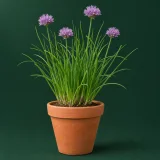
How to care for chives in a pot
Light, water, harvest and division of Allium schoenoprasum. Keep useful leaves without dry roots or mistaking dormancy for a dead plant.
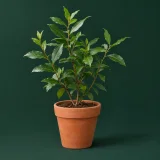
How to care for bay laurel in a pot
Light, watering, cold protection and pruning for potted Laurus nobilis. Help its roots get enough water without leaving them waterlogged.
Frequently asked questions
Is it dead if it loses most leaves in cold weather?
Not necessarily: it can rest and lose some foliage. Check for a firm base, living shoots and mix that is not staying waterlogged. Shelter from excess rain and protect roots for local cold. Do not try waking a resting clump with lots of water or feed; a soft dark base needs a different assessment.
How do I store a small dried harvest?
Use only a plant intended for cooking and healthy clean sprigs. Dry in an airy dry place away from direct sun, in loose layers or small bunches. Seal in an airtight container only once completely dry; closing damp leaves encourages mould. Timing depends on surroundings, not a fixed date for every home.
Sources and what they support
- RHS · Oregano
Sun, drainage, pot versus ground watering, young-pot reference, modest feed, harvest/pruning, division and culinary drying. Covers several Origanum: limited here to O. vulgare, without UK months, deadlines or universal hardiness.
- NC State Extension · Origanum vulgare
Identity, opposite leaves, sunny draining culture, pruning/leaves, pollinators and rot/pest risk. Variegated forms may need protection from strongest sun; no medical or repellent uses.
- ASPCA · Oregano (Origanum vulgare hirtum)
Entry identifies Greek oregano (O. vulgare hirtum) as toxic to dogs/cats, with digestive irritation. Do not extend classification to all Origanum or conclude others are safe; no doses or remedies.
- Kew POWO · Origanum vulgare subsp. hirtum
Accepted hirtum subspecies name, used to clarify Greek oregano in the veterinary warning. Taxonomy, not food certification or pot hardiness.
How we put these guides together
We review dates, care and recommendations to help you plan each gift.
Spotted something we should review? Contact Agenda Floral.