Guides
How to care for a Norfolk Island pine indoors
Care difficulty6 out of 10
Pay attention to growing conditions and changes and signs of stress.
Editorial guide, with suitable light and climate. 0: very easy; 10: very delicate. More stars mean more care.
A Norfolk Island pine can live indoors all year if it gets plenty of light, thorough watering with good drainage and air that is neither too dry nor too hot. Place it near a bright window, away from radiators and air vents, and turn it a little each week. It grows slowly and does not regrow where it loses branches, so prevention matters: do not cut the top, and correct the light or watering quickly if you see dry needles.
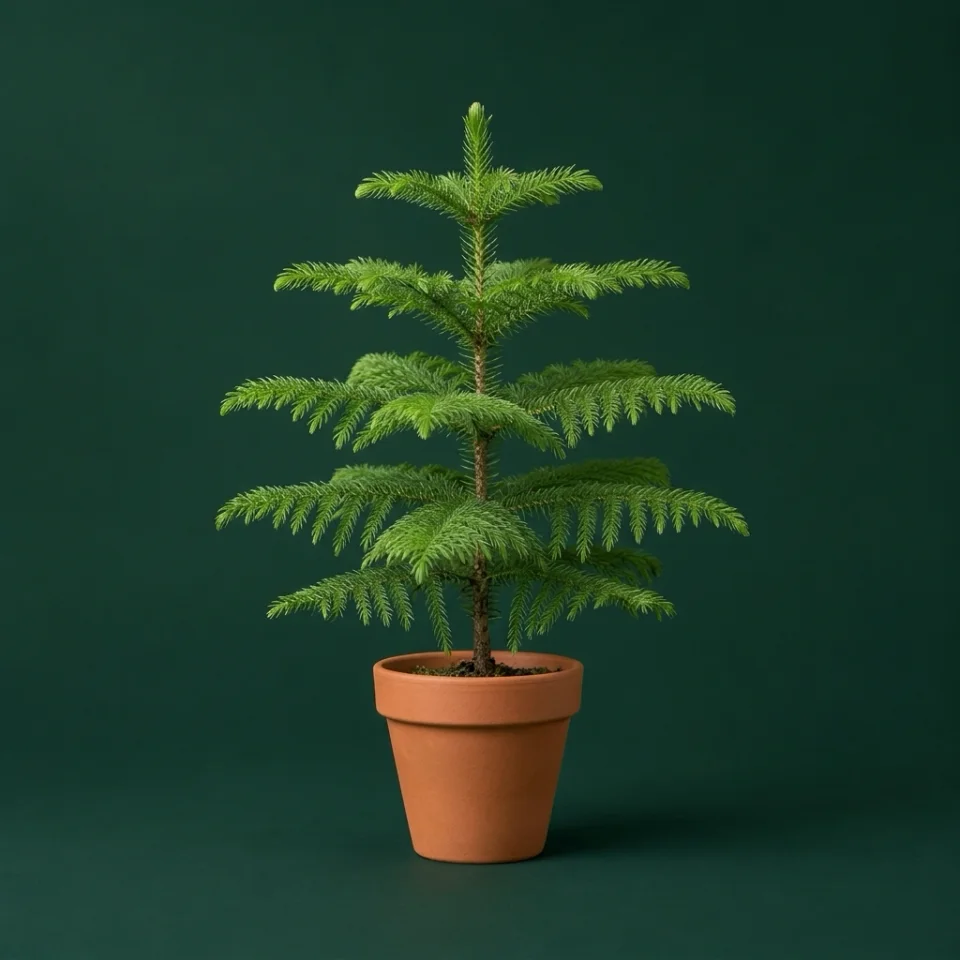
Botanical reference: Araucaria heterophylla
A tree that is not a pine
Araucaria heterophylla is a conifer in the Araucariaceae family, native to Norfolk Island in the South Pacific. It is not a true pine. It forms a single straight trunk with tiers of near-horizontal branches arranged in whorls. Its young leaves are fine, soft and curved, like short needles ending in a point. Shops may still label it with its old name, Araucaria excelsa. Some plants sold as Norfolk Island pine may be Araucaria columnaris, a close relative. Keep the label: the look of a young plant is not enough to confirm it.
Choosing one at Christmas
In November and December it is sold as a living Christmas tree. Choose one with green needles on the lower tiers too, no large dry or yellow patches, and an intact top shoot: that is the leader that makes it grow upwards. Look under the decorative wrapping to check the pot has holes. Many pots hold several small plants together, which is why you may see more than one trunk. In cold weather, wrap it for the journey and do not leave it in a freezing car or a draughty doorway: it cannot survive freezing, and cold air dries its needles.
Decorations, paint and glitter
If you decorate it, use a few light ornaments hung without squeezing the branches. If you add lights, choose ones that barely warm up and do not wind them tight against the needles. Avoid spray snow, glue and tape on the foliage. Some plants are sold painted green or with glued-on glitter. That coating takes away the light it needs, so a natural plant is the better choice. If you already have one, gently remove loose glitter and as much paint as comes away without harming the needles. Do not pull needles off or rub hard.
After the holidays, it stays indoors
Unlike a fir, it does not need to go into the garden when Christmas is over: it is a year-round houseplant. Remove the ornaments and the paper or plastic sleeve, and move it to your brightest spot. Do not repot it in midwinter just because the pot looks small; wait until its growing season begins. Be patient with its pace. Indoors it rarely grows more than about 15 centimetres a year, and with good care it can stay with you for many years.
Plenty of light and a turn each week
It needs strong light. Put it beside a very bright window where it gets some gentle morning or late-afternoon sun, but not strong midday sun through the glass, which can burn the needles. A window that never gets direct sun usually falls short. Far from the light it loses density, its branches stretch and droop, and it gradually weakens. Turn it slightly every week so it grows straight and even. If you have to move it somewhere with less light, do it gradually.
Water thoroughly, then let it drain
Feel the mix before watering. When the surface is slightly dry, water with room-temperature water until it runs out of the holes. After about fifteen minutes, empty the saucer or outer pot. Do not let the root ball dry out completely or keep it waterlogged: both lead to brown needles and lost branches. In winter, with less light and cooler air, it usually needs a little less water. A pot full of roots dries faster, so check it more often.
Heating, humidity and draughts
Dry air from heating is one of the most common causes of dry needles in winter. Keep it away from radiators, heaters, air-conditioning vents and doors that let in cold gusts. A bright, rather cool room suits it better than a very warm one. It does best above 50% relative humidity; if you have a hygrometer, check it near the plant. A humidifier or a tray of damp pebbles, with the base of the pot kept out of the water, helps more than occasional misting.
Light feeding and unhurried repotting
Feed it only while it is growing, with a houseplant fertiliser diluted as the label directs, and stop in winter when it barely grows. More fertiliser does not make it grow better and can weaken its structure. Repot every two or three years, or sooner if roots appear on top or through the holes, at the start of its growing season. Go up just one pot size: too much soil without roots stays wet. Use a free-draining, soil-based mix with coarse grit or perlite, and handle its delicate roots with care.
Falling branches and a top you should not cut
It is normal for the oldest needles on the lower tiers to turn brown and drop gradually. If whole branches or higher areas dry out, check the light, watering and air, because a lost branch does not grow back. Do not cut the top of the trunk: it is the leader that makes the tree taller, and without it the plant stops growing upwards and loses its shape. It needs almost no pruning. If a branch is completely dry, you can cut it cleanly near the trunk. A cutting from a side branch will not form an upright tree.
Pests and other warning signs
Check the needles and stems from time to time. Spider mites appear mostly in warm, dry air and may leave fine webbing in brown areas; rinsing with water helps reduce them, and steadier watering with more humidity holds them back. It can also get scale insects and, less often, sooty mould, a dark fungal coating on the leaves, or leaf spots. Move the plant away from others if you suspect a pest, and identify it before treating. If it grows crooked or only sideways, check the light and whether the top is damaged.
Summer outdoors and pets
If you want to put it outside in summer, do so only when nights are reliably mild and there is no risk of frost. Let it adjust gradually, in a sheltered spot with bright shade and protection from strong afternoon sun, so it does not scorch. Bring it back in before cold nights arrive. Araucaria heterophylla is not considered toxic to dogs or cats, but it is not food: its leaves end in a point. That assessment covers the species, not ornaments, paint or glitter. If your pet chews a lot of it or seems unwell, contact your vet.
Guides to help with your decision
Which flowers to give at Christmas in Spain
Choose Christmas flowers in Spain. A bouquet for the home or a table arrangement, Christmas Eve delivery and the difference between cut flowers and a plant.
Which flowers to bring on Christmas Eve in Germany
Christmas Eve falls on a Thursday in 2026 and shops close early. When to buy flowers, which bouquet to bring and how to keep a poinsettia from the cold.
Christmas and posadas in Mexico: a poinsettia or a bouquet as a gift
Posadas from 16 to 24 December 2026, Christmas Eve on Thursday 24 and Christmas on Friday 25. Poinsettia or bouquet, when to deliver it and a nativity scene without wild moss.
Christmas flowers in the US: poinsettias, amaryllis and gifts
Christmas Day is December 25 in the United States. Compare a poinsettia with amaryllis and arrange flowers ahead of a family gathering.
Christmas in Italy: a poinsettia or flowers for the table
Natale 2026 falls on Friday the 25th and Santo Stefano on Saturday the 26th, both public holidays in Italy. Choose a poinsettia for the home or a table centrepiece and plan delivery for dinner on the 24th or lunch on the 25th.
Epiphany in Italy: the Befana and a plant for after the holidays
6 January 2027 falls on a Wednesday and is a public holiday in Italy. The Befana fills stockings on the night of the 5th; if you want to add flowers, choose a plant that carries on once the festive season is over.
Christmas in the Netherlands
Eerste and Tweede Kerstdag fall on Friday and Saturday in 2026. When to buy flowers before shops close, which plant to bring to dinner and how to send them.
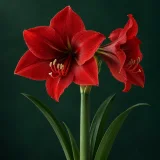
Christmas in Belgium
Christmas Day falls on Friday 25 December 2026 and is a legal holiday in Belgium; the 26th is not. Amaryllis or poinsettia, buying by Thursday the 24th and delivery.
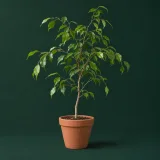
How to care for a weeping fig and understand falling leaves
Steady light, watering, repotting and leaf drop: practical Ficus benjamina care, including precautions around pets.
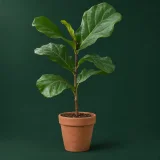
How to care for a fiddle-leaf fig and assess leaf spots
Light, watering, large leaves, brown marks and repotting: practical Ficus lyrata care with clear checks for your home.
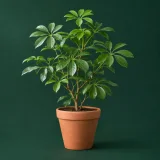
How to care for a dwarf umbrella tree in a pot
Filtered light, watering without waterlogging and care for Heptapleurum arboricola, formerly Schefflera arboricola. Understand leaf loss and sensible trimming.
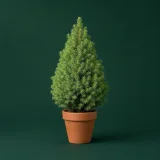
How to care for a dwarf Alberta spruce in a pot
Sun, airflow, watering in winter too, spider mites and reverted shoots for Picea glauca 'Conica'. How to choose one as a living Christmas tree and keep it afterwards.
Frequently asked questions
Can I plant it in the garden after Christmas?
Only in frost-free climates with a great deal of space: in the ground it can grow taller than 12 metres and form large surface roots. If your winters bring frost or your garden is small, enjoy it in a pot all year.
Why are the lower branches dropping?
Gradually losing old needles on the lower tiers is normal. If whole branches fall, it usually lacks light, or the watering or air is not right. Correct the cause: those branches will not grow back.
Can I cut the top so it does not grow so tall?
It is not a good idea. Without the leader it stops growing upwards and loses its symmetrical shape for good. It grows slowly indoors, so finding a spot with enough height is usually enough.
Can I grow a new plant from a branch?
A cutting from a side branch will not form an upright tree. Only vertical shoots from the top do, and cutting them leaves the parent plant without a leader. If the pot came with several small plants, separating them when repotting is simpler, always taking care of the roots.
Why is it leaning or growing crooked?
It is usually reaching for the window light: turn it a little every week. A pot that is too small for the plant can also make it lean. A stake supports it until the next repotting, when you should go up only one size.
Does it need different care in winter?
With less light it appreciates a cool, very bright spot, a little less water without letting it dry out completely, and no fertiliser. What harms it most at that time of year is dry, hot air from heating.
Sources and what they support
- NC State Extension · Araucaria heterophylla
Species profile: Araucariaceae conifer endemic to Norfolk Island, formerly Araucaria excelsa; straight trunk, whorled tiers of branches and soft leaves with pointed tips. Indoors it prefers a bright, cool room; prolonged low light leads to leaf drop and loss of lower branches. Lists scale, sooty mould and leaf spot. Its USDA zones, sizes and °F temperatures are not transferred as rules.
- NYBG · Norfolk Island pine houseplant
Indoor growing guide: bright indirect light and a weekly turn, relative humidity preferably above 50%, away from air vents, water when the mix feels slightly dry and empty the saucer after 15 minutes, modest feeding and repotting every two or three years with delicate roots. Lost branches do not grow back and removing the top stops upward growth. Its window directions, months and temperatures refer to New York.
- NYBG Plant Information · Norfolk pine leaning and browning
Answer on leaning and browning needles: a small pot can make it lean; going up only one size avoids a ring of rootless soil that stays wet, and a stake supports it meanwhile. Old needles dropping from lower branches is normal; larger areas point to dry heated air, over- or underwatering, strong sun, draughts or spider mites. Not a complete care profile.
- RHS · Araucaria heterophylla
Species profile: hardiness H2, tolerates low temperatures but does not survive being frozen; where frost occurs it is grown in a container under protection and may go outside in summer to a sheltered, sunny spot. Peat-free, loam-based mix with grit; minimal pruning because it can permanently spoil the shape; cuttings from side branches will not form an upright tree. Its months and hardiness scale refer to the UK.
- Illinois Extension · Norfolk Island Pines
Extension article: sold as a living Christmas tree, needle drop from dry air or dry soil, branch loss from overwatering, gradual acclimatisation to lower light and a slow move outdoors into bright shade. Indoors it grows about 3 to 6 inches a year. Advises removing green paint because it reduces the light the plant can use; does not cover glitter. Its temperatures and months refer to the US Midwest.
- UF/IFAS EDIS · Araucaria heterophylla: Norfolk Island-Pine
Tree fact sheet (ENH242): single trunk with one central leader, bright-green juvenile leaves and a large tree with large surface roots. It can live as a houseplant for a long time if not overwatered; propagated by seed or by cuttings of erect shoot tips; main pest, scale. Written for Florida landscapes; its zones and sizes are not a household rule.
- NDSU Extension · Dakota Gardener: Norfolk pine
Column by an extension horticulturist: slow indoor growth, several seeds per pot in commercial production and a note that many plants sold under this name are actually Araucaria columnaris. It is outreach without a published sample; it cannot determine the species of a particular plant.
- ASPCA · Australian Pine (Araucaria heterophylla)
Entry for Araucaria heterophylla, also listed as Norfolk Pine, House Pine and Norfolk Island Pine: non-toxic to dogs, cats and horses. It does not address ornaments, paint, glitter, fertilisers, mechanical irritation from pointed leaves or other species sold under the same name, such as A. columnaris.
How we put these guides together
We review dates, care and recommendations to help you plan each gift.
Spotted something we should review? Contact Agenda Floral.