Guides
How to care for a dwarf umbrella tree in a pot
Care difficulty4 out of 10
Pay attention to watering and growing conditions.
Editorial guide, with suitable light and climate. 0: very easy; 10: very delicate. More stars mean more care.
A dwarf umbrella tree needs plenty of indirect light and an airy potting mix that holds some moisture without staying soggy. Let the top layer dry before watering and check the pot’s weight; do not wait for the entire root ball to become bone dry as with a cactus. Choose a warm, steady position. If leaves fall, check soil, light and draughts before adding water. It is toxic to dogs and cats.
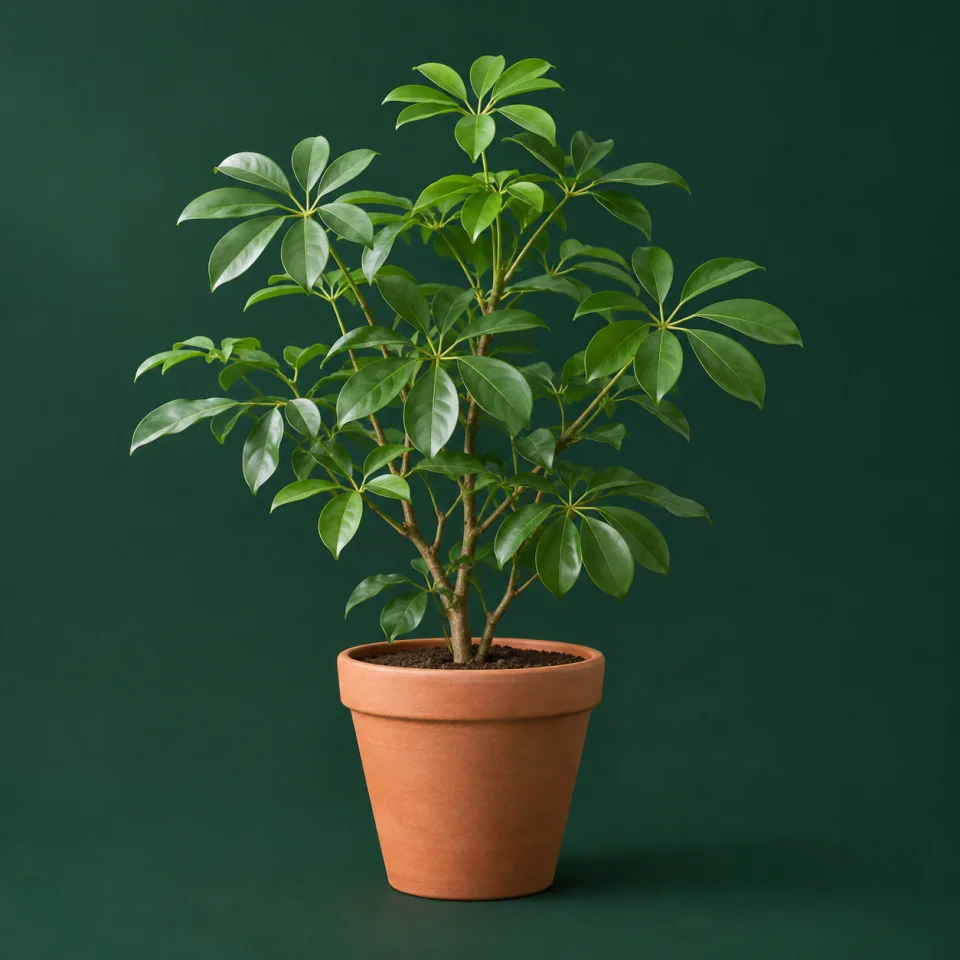
Botanical reference: Heptapleurum arboricola (Schefflera arboricola)
Recognise the umbrella leaf and keep its name
Heptapleurum arboricola is the accepted name of the plant still sold as Schefflera arboricola. Its leaves divide into glossy oval leaflets spreading from a single point, usually seven to nine of them. Each leaflet is not a whole leaf or a shoot. Keep the label because other umbrella trees are different species. Allow room for the crown to spread; choosing a narrow shelf can leave you trimming simply because it has nowhere to grow.
Bright light without a sudden blast of sun
Choose a bright window, filtering intense light with a curtain if necessary. A dark corner leads to poorer growth, while sudden strong sun can scorch foliage. Avoid draughts from a doorway, direct air conditioning and radiators. Some humidity suits it, but misting will not fix waterlogged roots. If it spends time outside, acclimatise it to a sheltered position and bring it under protection before cold weather and frost. A steady indoor position is easier to manage.
Water after the top dries without neglecting the roots
Feel the top layer and lift the pot before picking up the watering can. If the top has dried and the pot is lighter, water slowly to moisten the root ball, letting excess water run out. Empty the saucer or outer pot. If still damp and heavy, wait. Do not leave all the soil dry for days either. For example, a pale surface over a still-heavy pot deserves another check rather than automatic watering.
Airy mix and a pot that fits
Use houseplant potting mix that retains some moisture while draining well, in a pot with clear holes. Avoid compacted soil and water trapped inside an outer pot. Repot when roots have filled the space or the mix has deteriorated, preferably as growth resumes. Move to the next size rather than surrounding small roots with lots of wet soil. Handle the root ball gently and keep the previous planting depth. An ornamental container should let you check and empty the inner pot.
Feed moderately while new shoots are growing
During growth, use a balanced houseplant fertiliser according to its label, without combining products or overlooking nutrients already in the mix. With less activity or light, reduce or pause feeding and review water use too. Do not fertilise to solve leaf loss or soil that has stayed wet for too long. Correct the cause first; encouraging growth is no replacement for a suitable position and healthy roots. Extra doses make it harder to judge what is going wrong.
Clean leaves and trim only what needs trimming
Remove dust with a soft, slightly damp cloth, supporting the leaflets rather than pulling them off. Remove dry or damaged parts. If a healthy shoot blocks a walkway or makes the crown too long, you can trim it with a clean tool during active growth. Hard routine pruning is unnecessary and regrowth is not guaranteed. Wear gloves because the sap can irritate skin, and keep the cuttings and debris away from children and animals.
Falling leaves do not always mean thirst
Both too much water and excessive dryness can cause leaf loss. Check soil and drainage before acting. More water makes matters worse in a damp, heavy pot; a very dry, light one needs a thorough watering followed by drainage. Also review low light, cold and changes of position. Check under leaves for scale, mealybugs, tiny mites or fine webs. If pests appear, separate the plant and seek a treatment approved for the identified problem rather than mixing homemade remedies.
Arrange care before you go away
Before leaving, check moisture and water only if needed, letting the pot drain. Keep a bright, sheltered position rather than suddenly moving it into shade or strong sun. Do not leave standing water to make up for days away. If someone needs to help, show them how to feel the soil and recognise the weight instead of giving them a rigid schedule. Heat and active growth require different checking from a cool period with little light.
Guides to help with your decision
How to care for a rubber plant in a pot
Light, watering, yellow leaves, repotting and sap: practical rubber plant care with simple checks for your home.
How to care for a weeping fig and understand falling leaves
Steady light, watering, repotting and leaf drop: practical Ficus benjamina care, including precautions around pets.
How to care for a Pachira money tree in a pot
Light, watering without trapped water, repotting and pruning Pachira aquatica. Check leaf loss and look after a braided trunk.
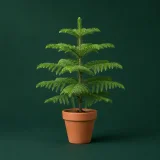
How to care for a Norfolk Island pine indoors
Norfolk Island pine care: bright light, thorough watering with drainage, heating, Christmas decorations, dropping branches and why you should not cut the top.
Frequently asked questions
Is it safe around dogs, cats and children?
It is not a plant to chew. Calcium oxalate crystals can irritate the mouth and throat, and it is toxic to dogs and cats. Sap may also irritate skin. Choose another plant if you cannot prevent access. After ingestion, contact a vet or the appropriate medical service; do not try home treatments.
Can I grow another plant from a leaflet?
Use a stem cutting rather than one leaflet from the umbrella. Choose a healthy shoot with a firm base and a node, remove lower leaves and place it in moist, free-draining cutting mix with light but no harsh sun. Keep conditions warm and monitor moisture. Rooting is not guaranteed and has no fixed timetable.
Sources and what they support
- Kew · Plants of the World Online · Heptapleurum arboricola
Heptapleurum arboricola is accepted; Schefflera arboricola is a synonym. Supports botanical identity, not medicinal uses, edibility or indoor care.
- RHS · Heptapleurum arboricola
Identity, 7–9 leaflets, bright indirect light, moist draining mix, moderate watering reduced at rest, balanced feed and semi-ripe cuttings. UK months, heights and hardiness are not universal rules.
- NC State Extension · Heptapleurum arboricola
Species entry: compound leaves, filtered light, humidity with drainage, leaf loss from excess or lack of water, mites/scale and calcium oxalate toxicity to dogs/cats; irritating sap. “Dry out” compared with RHS: surface drying, not prolonged complete drought or universal climate thresholds.
- RHS · How to grow houseplants
General guidance: surface drying and pot weight, drained watering without standing water, cold/draughts, roots and compacted mix. Used with the species entry; no transferred water recipes, schedule, dose or guaranteed time away.
- RHS · Cuttings: semi-ripe
General healthy stem-cutting method with firm base and node, lower leaves removed, moist draining medium and light without harsh sun. RHS identifies this method for the species; no promised success/timetable or confusion between leaflet and stem.
- RHS · Shrubs and trees: light pruning
Group 1 linked from the species entry: little or no routine pruning; remove damage or unwanted shoots. Optional modest trimming, not removing the whole crown, forcing regrowth or transferring outdoor feeding/calendar to an indoor pot.
How we put these guides together
We review dates, care and recommendations to help you plan each gift.
Spotted something we should review? Contact Agenda Floral.