Guides
How to care for a fiddle-leaf fig and assess leaf spots
Care difficulty6 out of 10
Pay attention to growing conditions and changes and signs of stress.
Editorial guide, with suitable light and climate. 0: very easy; 10: very delicate. More stars mean more care.
A fiddle-leaf fig needs plentiful daylight, steady warmth and a pot that drains. Let the upper few centimetres of mix dry before watering thoroughly and removing excess water. For leaf spots, check soil, light and recent changes: they do not all mean thirst, and old marks may remain after care improves.
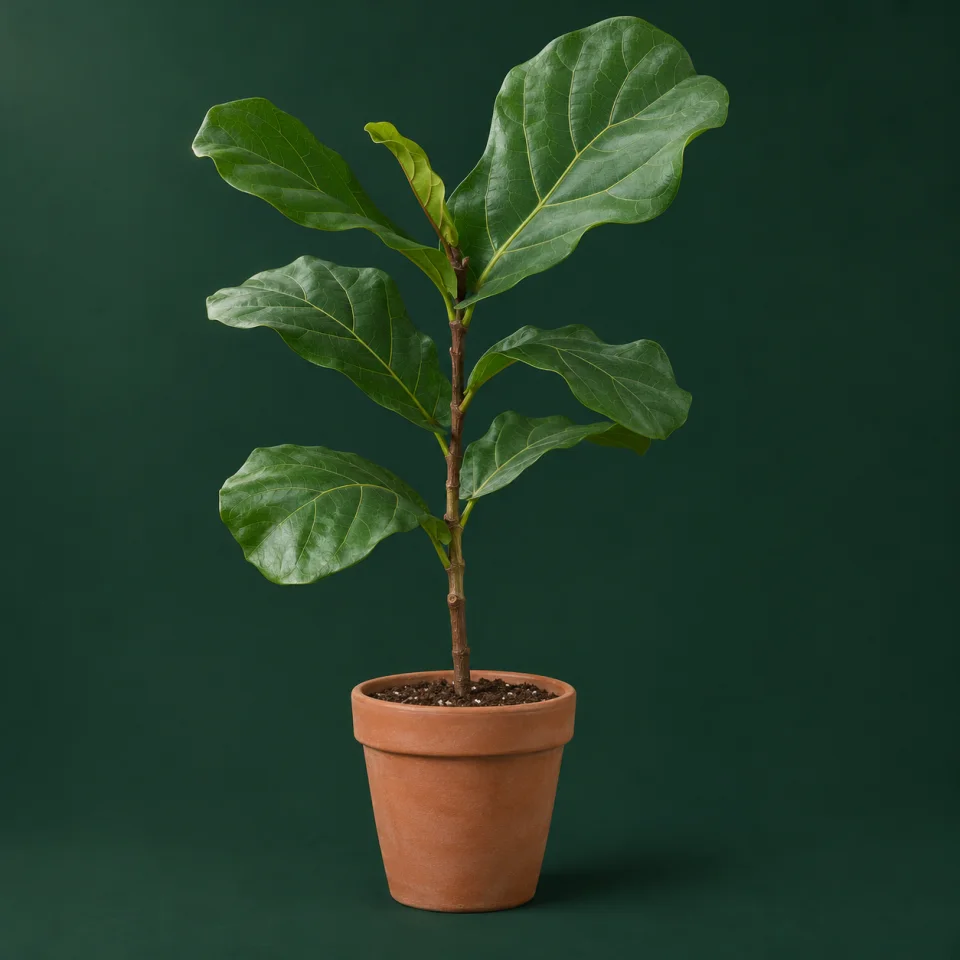
Botanical reference: Ficus lyrata
Check the species and available space
This is Ficus lyrata, with large fiddle-shaped leaves and prominent veins. It differs from the oval-leaved rubber plant and small-leaved weeping fig. Before choosing a size, reserve room for the whole crown near a good daylight source. Fitting behind a sofa does not mean lower leaves receive enough light or that the container is easy to inspect.
Plenty of light without a sudden change
Choose a bright window and filter strong sun with a sheer curtain where it reaches leaves. A room that seems bright to us can leave the plant’s corner dark. Avoid draughts, direct heating and very cold glass. Adjust gradually to another exposure rather than moving a sheltered shop plant into intense sun. If growth leans, gently rotate it in the same position to distribute light.
When and how to water
Feel beyond the thin surface layer: let the upper few centimetres dry and check the weight too. When needed, water slowly to moisten the rootball and let water run out below. Empty the saucer or outer pot once drainage finishes. If the top seems dry but deeper mix remains very moist, wait. Avoid both waterlogging and drying the entire rootball, or giving small sips that never wet it properly.
Mix and repotting for a reason
Use houseplant mix that retains some moisture and drains freely; an airy component such as perlite may help, depending on the mix. Keep holes open. When roots fill the container and watering becomes hard to manage, repot during growth into a slightly larger one. Preserve depth and healthy roots. A visible root does not demand action today, nor is an enormous pot needed to anticipate years of growth.
Clean leaves and feed modestly
Support each leaf underneath and remove dust with a soft damp cloth. Be especially gentle with young leaves and avoid oils or leaf-shine products. Keep away from dry heating air; if using a humidity tray, keep the pot base above water. During active growth, apply foliage fertiliser according to the label and nutrients already present. Extra feeding will not erase a mark or revive damaged roots.
Brown marks, red dots or falling leaves
Notice when damage began and whether it spreads. Strong sun, uneven watering, wet mix or temperature changes can produce similar marks. Reddish dots on new leaves may accompany excess moisture, but check the soil before assuming that cause. Review drainage, weight and exposure before treatment. A damaged leaf may stay marked; watch new growth. Seek advice for spreading spots or decline, with photographs and watering details.
Pests and pruning without stripping the plant
While cleaning, inspect undersides and leaf joints for scale-like bumps, cottony clusters or webbing. Separate a confirmed infestation and choose a suitable measure after identifying it. Do not spray for every mark. To limit height, shorten an overlong stem near a node on a healthy plant rather than routinely removing the whole crown. Use clean tools and gloves because sap can irritate; protect skin and eyes and collect trimmings.
Slow growth, time away and pets
Less light usually means less water use: check the mix rather than keeping the old rhythm. For an absence, leave checking and emptying instructions without moving it to a dark room or leaving permanent water below. Keep leaves and trimmings away from children and animals. Chewing or ingestion can cause mouth or digestive irritation. For suspected exposure, contact an appropriate medical service or vet without trying home remedies.
Guides to help with your decision

Which flowers to give to someone with cats or dogs
Flowers for a home with cats or dogs: options to consider, checking the whole bouquet and precautions with lilies, holly and mistletoe at Christmas.
How to care for a rubber plant in a pot
Light, watering, yellow leaves, repotting and sap: practical rubber plant care with simple checks for your home.
How to care for a weeping fig and understand falling leaves
Steady light, watering, repotting and leaf drop: practical Ficus benjamina care, including precautions around pets.
How to care for a croton in a pot
Light for colourful leaves, steady warmth and watering without extremes for Codiaeum variegatum. Avoid sudden changes and work through leaf loss.
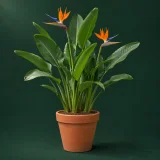
How to care for a bird of paradise in a pot indoors
Strong light, room for its leaves and watering with drainage for Strelitzia reginae. Repotting, cleaning and checks for curling or drying leaves.
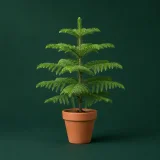
How to care for a Norfolk Island pine indoors
Norfolk Island pine care: bright light, thorough watering with drainage, heating, Christmas decorations, dropping branches and why you should not cut the top.
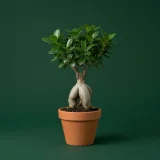
How to care for a ginseng ficus in a pot without rotting its base
Ginseng ficus (Ficus microcarpa) care: light, watering and drainage, glued stones, leaf drop, pruning and latex sap, repotting, pests and pets.
Frequently asked questions
Should I cut off every spotted leaf?
There is no need to remove every marked leaf. First correct the cause and keep healthy areas that still support the plant. Old marks can remain; check whether damage stops spreading and how new leaves develop. Seek advice before major pruning if disease appears to be progressing.
Can it go outside in mild weather?
Only with mild frost-free temperatures, wind shelter and gradual adjustment to light. Being a houseplant does not make every terrace suitable. If outdoors means sudden strong sun or cold nights, a bright steady position inside is preferable.
Sources and what they support
- RHS · Ficus lyrata
Identity, light and container culture; sap and possible pests. A tropical tree is not suited to a cold balcony.
- New York Botanical Garden · Fiddle-leaf fig
Partial drying, drainage, cleaning, repotting and spots. No copied months, doses or guaranteed prevention through humidity.
- NC State Extension · Ficus lyrata
Leaf shape, indirect light, excess water and possible symptoms. A spot alone does not establish the cause.
- Animal Poisons Helpline · Fiddle Leaf Fig
Ficus lyrata: contact and digestive irritation in animals. Exposure-led professional advice, without remedies or severity guarantees.
How we put these guides together
We review dates, care and recommendations to help you plan each gift.
Spotted something we should review? Contact Agenda Floral.