Guides · Spain
What to write in a card with flowers
Agenda Floral · Editorial selection · Reviewed
Say why you are sending the flowers, add a detail that belongs to your relationship and sign your name. You do not need a solemn quotation or an explanation of every flower’s meaning. The examples in this guide are original Agenda Floral messages: adapt them to your relationship without attributing them to writers or treating them as a universal formula.
A short structure you can personalise
Try this sequence: reason, detail and signature. For example: “Thank you for keeping me company that afternoon. These flowers are a small way to remember it. Ana.” Replace the detail with something true and remove words you would not use in conversation. Before sending, check names, spelling and who is identified as the sender.
Birthdays and thank-you messages
A close birthday message: “To another year of conversations that run late and plans worth repeating. Happy birthday, Lucia.” A formal birthday message: “Wishing you a happy birthday and a year of good moments. Your colleagues.” A thank-you: “Your help arrived just when I needed it. Thank you for being there.” Avoid inventing intimacy when you do not know someone well.
Love and anniversaries without borrowed quotations
A short message: “I would choose that first coffee with you all over again.” An anniversary: “These flowers are for what we have shared and the plans we are still imagining.” Add a place or memory if it fits. Do not use the bouquet to demand a response, resolve a disagreement on its own or assume reconciliation.
Achievements, farewells and new beginnings
Graduation: “Today we celebrate your effort and everything you have learned along the way.” Retirement: “Thank you for sharing your experience so generously. May the next chapter move at your own pace.” New home: “To the first dinners and the memories still to come.” Opening: “Congratulations on bringing your project to life.” These are starting points; adjust the tone to your relationship.
Sympathy: offering company without explaining grief
Original example: “We remember Carmen with great affection and are thinking of you all. Marta and Luis.” If you did not know the person who died: “I was so sorry to hear about your father. You are in my thoughts.” Cruse advises against assuming how someone feels or promising support you cannot provide. Avoid claiming everything happens for a reason or that they will soon feel better.
Group cards, private messages and available space
Ask the florist how much text fits and whether the card is printed or handwritten. For a shared gift, check that the signature represents those taking part. Avoid intimate details if flowers will arrive at reception or a public event. If you want to say more, include a separate letter.
Which flowers to choose
Flower pairings are suggestions from Agenda Floral. Documented customs are explained separately; no occasion requires one particular flower.

Red rose
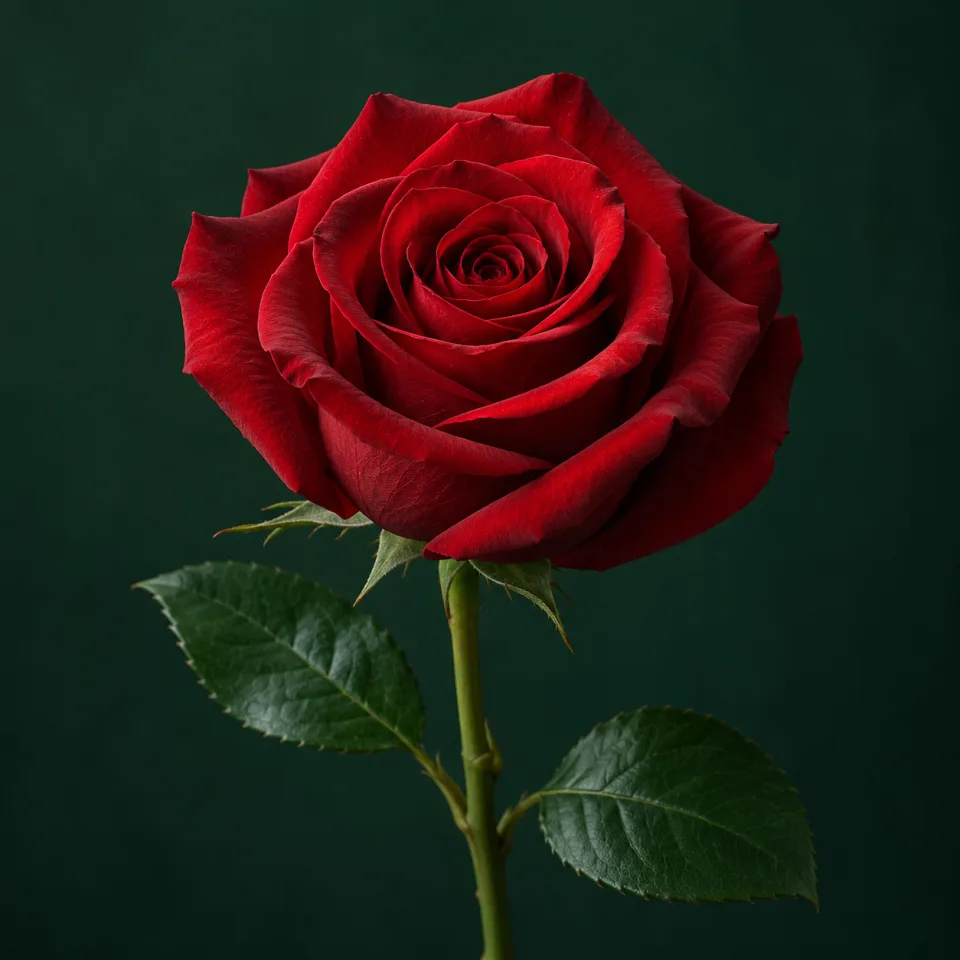
Red roses are our suggestion for Valentine’s Day and relationship anniversaries when you want a romantic gesture. For Sant Jordi on 23 April, Turespaña documents the Catalan tradition of giving roses and books. You can also choose them for a birthday or thank-you gift, taking account of the recipient’s taste and making your intention clear.
Carnation
Consider carnations for a thank-you gift, a birthday, Mother’s Day or an All Saints’ Day tribute. These are Agenda Floral suggestions, not exclusive uses or rules about colour. Start with the destination and recipient; if there are cats or dogs, discuss another suitable choice for that household.
Gerbera
We suggest gerberas for birthdays, thank-you gifts or Mother’s Day when you want to highlight the recipient’s favourite colour. First choose between cut flowers and a potted plant, then agree size and delivery. There is no compulsory flower count or colour: the format should be convenient for the person receiving it.
Guides to help with your decision
When to give peonies
Giving peonies: single and double flowers, availability in May, opening for handover and alternatives when they are unavailable.
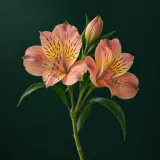
When to give alstroemerias
Giving alstroemerias: indicative vase life, mixed or single-flower bouquets and the details to agree when ordering.
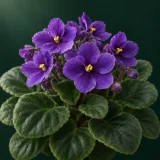
When to give an African violet
Giving a potted African violet: choosing for small spaces, the Saintpaulia name, suitable light and practical questions before buying.
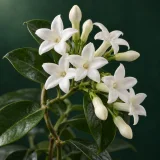
When to give stephanotis or Madagascar jasmine
Stephanotis as a potted gift or a wedding bouquet flower: fragrance, support, format differences and questions before ordering.
Which flowers to bring to València’s Fallas offering
The Fallas offering on 17 and 18 March: carnations, commission instructions and ordering advice, separate from the May celebration.
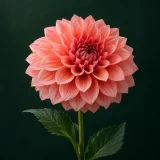
Which flowers to give for a birthday
Choose birthday flowers by preferences, size and delivery: dahlias, gerberas, anemones and tulips are starting points.
Which flowers to give for an anniversary
Roses and alternatives for an anniversary: choose flowers connected to your shared history, without rules for each year.
Which flowers to choose for condolences
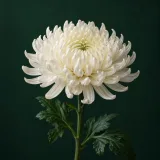
A floral tribute should respect the family’s wishes: when to send flowers, which format to choose and what to check.
Which flowers to give for graduation
Choose graduation flowers by taste, bouquet size and delivery: practical ideas for the ceremony, card and journey home.
Which flowers to give for retirement
Retirement flowers for a personal or team gift: choose a bouquet or plant, write the card and arrange a thoughtful delivery.
Flowers for a new home or business opening
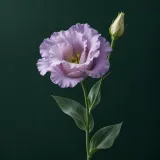
Choose flowers or a plant for a housewarming or business opening: consider space, delivery, care and a welcoming card.
Frequently asked questions
How many words should a flower card contain?
There is no correct length. Check the available space and keep the reason, one personal detail and the signature before adding more.
Can I send flowers anonymously?
You can choose to, but consider whether it might create uncertainty or discomfort. We recommend identifying yourself, particularly with workplace deliveries.
What should I write when flowers are from a group?
Use the agreed group name or individual names and a sentence everyone can endorse. Check the list before printing.
Are these messages quotations from authors?
No. They are original Agenda Floral examples. They need no invented attribution and you can adapt them.
What can I say in a sympathy card when words fail me?
A brief, sincere expression of sorrow and companionship is enough. You do not need to explain what happened or promise that grief will pass quickly.
Sources and what they support
- Cruse Bereavement Support · Acompañar con palabras
Advises against assuming how a bereaved person feels and against promising help you cannot deliver. Card messages are original Agenda Floral examples.
How we put these guides together
We check dates and customs against institutional sources, and botanical information against horticultural sources. Gift suggestions consider a flower’s appearance and the recipient’s taste. Commercial references document an offer, not popularity or a tradition. This initial catalogue is a growing editorial selection, not a list of every species.
Spotted something we should review? Contact Agenda Floral.