Occasions
16 February in Lithuania: flowers for a tribute
Lithuania · Nationwide
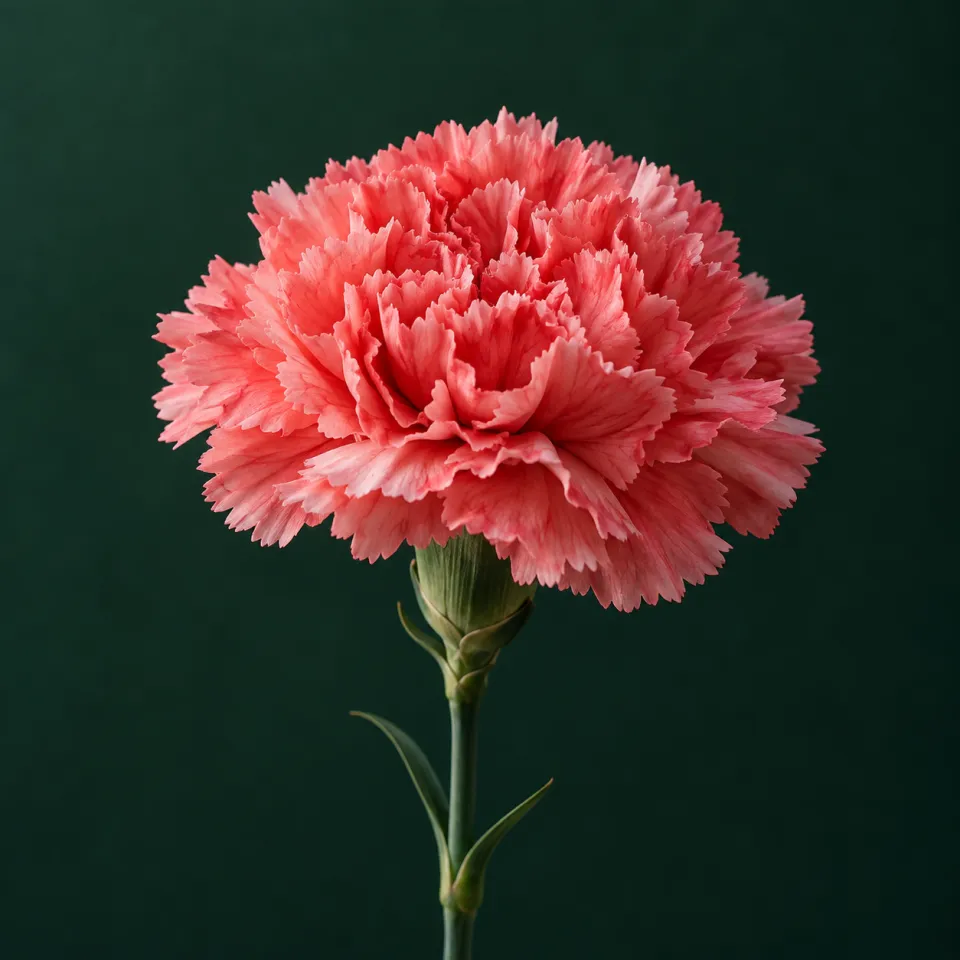
On 16 February Lithuania celebrates State Restoration Day, commemorating the 1918 Act. For a floral tribute, I would choose a small bunch of carnations or a shared arrangement prepared by a group. The date is national; the placement and location of flowers depend on the particular event.
Upcoming calendar dates
Lithuania
Agenda Floral, with you
Add it to your calendar
Subscribe to receive our updates, or download the .ics file to import a copy. The copy will not receive later changes.
Use in Google Calendar or another calendar
Open Google Calendar on a computer. Beside “Other calendars”, click “+” and choose “From URL”. Paste the address below to add the subscription. You can then view that calendar on devices using your account.
Guide to adding Agenda Floral to Apple and Google Calendar
Your calendar app decides when to refresh a subscription. Importing the file again may duplicate events. Agenda Floral adds no alarms; you can check alerts in your calendar settings.
What 16 February commemorates
On 16 February 1918 the Council of Lithuania signed the Act of Independence proclaiming the restoration of the Lithuanian state. The commemoration is called Lietuvos valstybės atkūrimo diena.
It is separate from 11 March, which commemorates the restoration of independence in 1990. In this calendar, 16 February retains its own date even when some preparations take place earlier.
Tributes in Vilnius and Kaunas
In Vilnius, tributes at Rasos Cemetery honour the signatories of the 1918 Act with flower laying. In Kaunas, celebration programmes also include flower laying in the garden of the Vytautas the Great War Museum. These are two local examples within the national celebration.
The 2024 announcement for the Vilnius youth march included plans to honour the signatories with flowers and candles at Rasos Cemetery. To join a public gathering, consult the programme for the edition you plan to attend for the location, time and intended participation.
Rasos, the House of Signatories and the Kaunas garden
Three signatories of the Act are buried at Rasos Cemetery in Vilnius: Jonas Basanavičius, Mykolas Biržiška and Jonas Vileišis. A cenotaph remembers three more, Kazys Bizauskas, Pranas Dovydaitis and Vladas Mironas. The tribute to the signatories takes place there on the morning of the 16th.
The House of Signatories, at Pilies g. 26, is the building where the Act was signed. The day’s commemoration is held in front of it, and the youth march passes by on its way to Rasos. If you are leaving flowers in Vilnius, take them to Rasos. If you want to go inside the museum, check its opening hours first.
In Kaunas, the garden of the Vytautas the Great War Museum, where flowers are laid on the 16th, holds the Tomb of the Unknown Soldier, the monument to those who died for Lithuania’s freedom and the sculpture Laisvė (Freedom).
Rasos lies on hilly ground. The average February temperature in Lithuania is −2.5 °C, so expect snow or ice on the paths. Wear shoes with good grip and choose a bunch you can hold in one hand. If you want to add a candle, the 13 January guide covers candles outdoors.
A hand-tied bunch or a group arrangement
For an individual tribute, I would suggest carnations gathered in a hand-tied bunch without a heavy container. This is convenient if you need to walk to the tribute site. A few rose stems can serve the same purpose if you prefer them. These are ideas for preparing the gesture, not a required flower or colour for the date.
For an association or group, one shared arrangement can represent everyone without multiplying bouquets. If you choose a wreath or a centrepiece, agree its size, who will transport it and how it will be placed at the event. A large arrangement needs a different delivery plan from a few hand-carried stems.
Yellow, green and red without overloading the bouquet
The colours of the Lithuanian flag are yellow, green and red. If you want them in the bouquet, let each colour come from a flower or from foliage, without dyed flowers. This is our idea, not a custom of the day.
In February a simple combination works well: red carnations, a few seasonal yellow flowers and green stems. Ask which yellow flowers they have that week: tulips, chrysanthemums or mimosa.
For something quieter, ask for carnations in a single colour with a yellow, green and red ribbon. You could order: “It’s for 16 February. I’d like a small bunch of red carnations with a little seasonal yellow and green, no dyed flowers.”
Collection, transport and dedication
Allow enough time for collection and the journey to the tribute. If walking outdoors, ask for suitable protection and keep the wrapping until placement. The transport guide helps organise the bouquet without crushing it.
You could order: “I am attending a tribute on 16 February. I want a small bunch of carnations to carry on foot, without a vase. I need to collect it before leaving, with the stems already gathered.” For a group arrangement, include the group name and the dimensions agreed for the site.
If a card or ribbon is permitted, a short dedication could read “In remembrance of the signatories of the Act of 16 February 1918”. For another recipient, adapt the message to those being remembered.
Which flowers to choose
Compare flowers to choose the format, colours and care that suit the occasion.
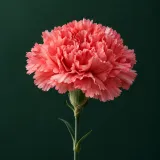
Carnation
Main flower in our selectionOur suggestion for a small tribute: carnations gathered in a hand-tied bunch that is easy to carry to the placement point. Adapt the format to the chosen event.

Red rose
An alternative if you prefer roses for the tribute. A few stems can make a manageable bunch; red is our suggested colour, not a requirement for the date.
Guides to help with your decision
Valentine’s flowers in Lithuania: choosing and arranging delivery
Valentine’s Day in Lithuania is on 14 February. Compare roses and tulips and arrange delivery if you need the bouquet before a date.
11 March in Lithuania: flowers to remember the signatories
11 March commemorates the 1990 Act. Tributes to signatories, the Žinia monument and how to establish a bouquet’s destination before arranging delivery.
13 January in Lithuania: flowers, candles and forget-me-nots
What 13 January commemorates and how to distinguish a forget-me-not badge, candles and floral tributes. Ideas for taking part without confusing the symbols.

How to transport a bouquet by car or plane
How to carry a bouquet, a potted plant or dried flowers without crushing them. Packing, water and checks for flights and bringing plants into your destination.
What to write in a card with flowers
Ideas for writing a flower card in your own words. Examples for birthdays, thanks, anniversaries and sensitive moments.
How to order flowers from a distance and plan delivery
Send flowers from a distance: format, date, address and handover, including a group gift. Examples and practical advice for different countries.
Frequently asked questions
What date does this calendar occasion save?
16 February every year, as an all-day event. It does not save a tribute’s time or earlier institutional flower handovers. The 2026 programme, for example, scheduled the flower handover at the Presidency for 13 February and the national commemoration for the 16th.
Do the flag colours have an official meaning?
The Constitution sets the colours, yellow, green and red, but gives them no meaning. So we don’t suggest one: if you choose those colours, the link to the flag is enough.
What if the signatory I want to remember is not buried in Vilnius?
Some signatories are buried elsewhere in Lithuania. In 2021, the flowers the Presidency handed to their relatives were also meant for those graves. To join a local tribute, check your municipality’s programme.
Sources and what they support
- Vidaus reikalų ministerija · Švenčių dienos
Lists 16 February and 11 March as separate holidays. Does not establish event times or florist opening hours.
- Lietuvos nacionalinis muziejus · House of Signatories
Act signed in this building, Pilies g. 26, on 16 February 1918; a branch of the National Museum. Closed from 7 July 2026 to 6 January 2027 while a new exhibition is installed. No visit, access or opening on a given date is promised.
- Kultūros ministerija · Vasario 16-osios programa 2026
2026 programme: floral tributes at Rasos and Kaunas on 16 February, institutional handover on 13 February. No annual times, required flower, colour or participation.
- Kultūros ministerija · Vasario 16-osios programa 2025
2025 edition with floral tributes at Rasos and the Kaunas museum garden. Corroborates continuity without making its programme permanent.
- Vilniaus savivaldybė · Jaunimo eisena 2024
2024 announcement of the march to Rasos with a planned flowers-and-candles tribute. Organised public participation in Vilnius, not a population-wide obligation or a report of completion.
- Krašto apsaugos ministerija · 11 March
Dates the restoration of independence to 11 March 1990. Tributes in that edition are not transferred to 16 February.
- Lietuvos Respublikos Seimas · Lietuvos Respublikos Konstitucija, 15 straipsnis
Article 15: the colours of the state flag are yellow, green and red. It assigns no meaning to the colours and says nothing about flowers or arrangements.
- Visuotinė lietuvių enciklopedija · Rasų kapinės
Rasos holds the graves of 16 February Act signatories J. Basanavičius, M. Biržiška and J. Vileišis, and a cenotaph for K. Bizauskas, P. Dovydaitis and V. Mironas. Places the cemetery in the Rasos–Ribiškės hills. Gives no opening times, access details or path conditions.
- Vilniaus miesto savivaldybė · Kaip Vilnius švęs Vasario 16-ąją (2023)
2023 programme: tribute to the signatories at Rasos at 9:00; the youth march stops at the House of Signatories, where the Act was signed, and ends at Rasos; commemoration in front of the House at 14:00. A past edition, not another year’s programme.
- Lietuvos Respublikos Prezidentas · Vasario 16-osios renginiai 2021
2021 edition: the President honours the signatories at Rasos in the morning, and the flowers the Presidency hands to their relatives are also laid at other burial places across Lithuania. Does not list those graves or fix the procedure for other years.
- Visuotinė lietuvių enciklopedija · Vytauto Didžiojo karo muziejus
The museum garden in Kaunas holds the monument to those who died for Lithuania’s freedom, the Tomb of the Unknown Soldier and the sculpture Laisvė. It does not describe flower laying; that comes from the ministry programmes for the date.
- Lietuvos hidrometeorologijos tarnyba · Standartinė klimato norma 1991–2020 m.
1991–2020 climate normal: average February temperature in Lithuania of −2.5 °C. A thirty-year national average: it does not predict a given day’s weather or a cemetery’s path conditions.
How we put these guides together
We review dates, care and recommendations to help you plan each gift.
Spotted something we should review? Contact Agenda Floral.