Occasions
13 January in Lithuania: flowers, candles and forget-me-nots
Lithuania · Nationwide
On 13 January Lithuania remembers the Defenders of Freedom of 1991. The blue forget-me-not is a remembrance symbol, including on paper badges. Fresh flowers are laid in tributes to those who died, while candles accompany acts of remembrance. Choose the gesture for the activity you are joining.
Upcoming calendar dates
Lithuania
Agenda Floral, with you
Add it to your calendar
Subscribe to receive our updates, or download the .ics file to import a copy. The copy will not receive later changes.
Use in Google Calendar or another calendar
Open Google Calendar on a computer. Beside “Other calendars”, click “+” and choose “From URL”. Paste the address below to add the subscription. You can then view that calendar on devices using your account.
Guide to adding Agenda Floral to Apple and Google Calendar
Your calendar app decides when to refresh a subscription. Importing the file again may duplicate events. Agenda Floral adds no alarms; you can check alerts in your calendar settings.
What 13 January commemorates
The national commemoration is called Laisvės gynėjų diena and takes place every 13 January. It remembers those who defended Lithuania’s freedom during Soviet aggression in January 1991 and its victims. This is a different date from 16 February 1918 and 11 March 1990.
A floral ceremony takes place annually at Antakalnis Cemetery in Vilnius. Flowers are also taken to defenders’ graves in Kaunas, Marijampolė, Kėdainiai and Rokiškis. An organised tribute and a personal act of remembrance may take different forms.
Antakalnis, the TV Tower and the Seimas
At Antakalnis Cemetery, the Freedom Defenders’ memorial stands where nine of the fourteen victims of the night of 13 January 1991 are buried. At its centre is Stanislovas Kuzma’s bronze and granite “Pieta”, and behind it the wooden cross put up on the day of the funeral is preserved.
By the TV Tower, small granite obelisks mark the places where the defenders died. Young oaks grow beside them, and a linden where Loreta Asanavičiūtė died. Every 12 January a large remembrance bonfire is lit there and flowers are laid at those spots.
On the same eve, since 1992, bonfires have also burned beside the Lithuanian Radio and Television building and outside the Seimas in Independence Square. Times and access change every year, so check that year’s official programme before you go.
Forget-me-nots, candles and flowers have different roles
The remembrance campaign’s forget-me-not is a blue symbol that can be worn on a lapel. You can make a paper forget-me-not badge. If an activity calls for that symbol, prepare the badge or the specified materials: there is no need to find a bunch of fresh forget-me-nots.
The symbol is also used in group arrangements. In January 2026, students took part in the “forget-me-not meadow” in Lukiškės Square in Vilnius, where they placed symbolic forget-me-nots. For an activity of this kind, prepare the materials requested by the group.
Candles in windows are part of remembrance initiatives on the morning of the 13th. In Raseiniai on 13 January 2026, participants also laid flowers and lit candles at remembrance sites in the town and district.
A bouquet to lay at a tribute
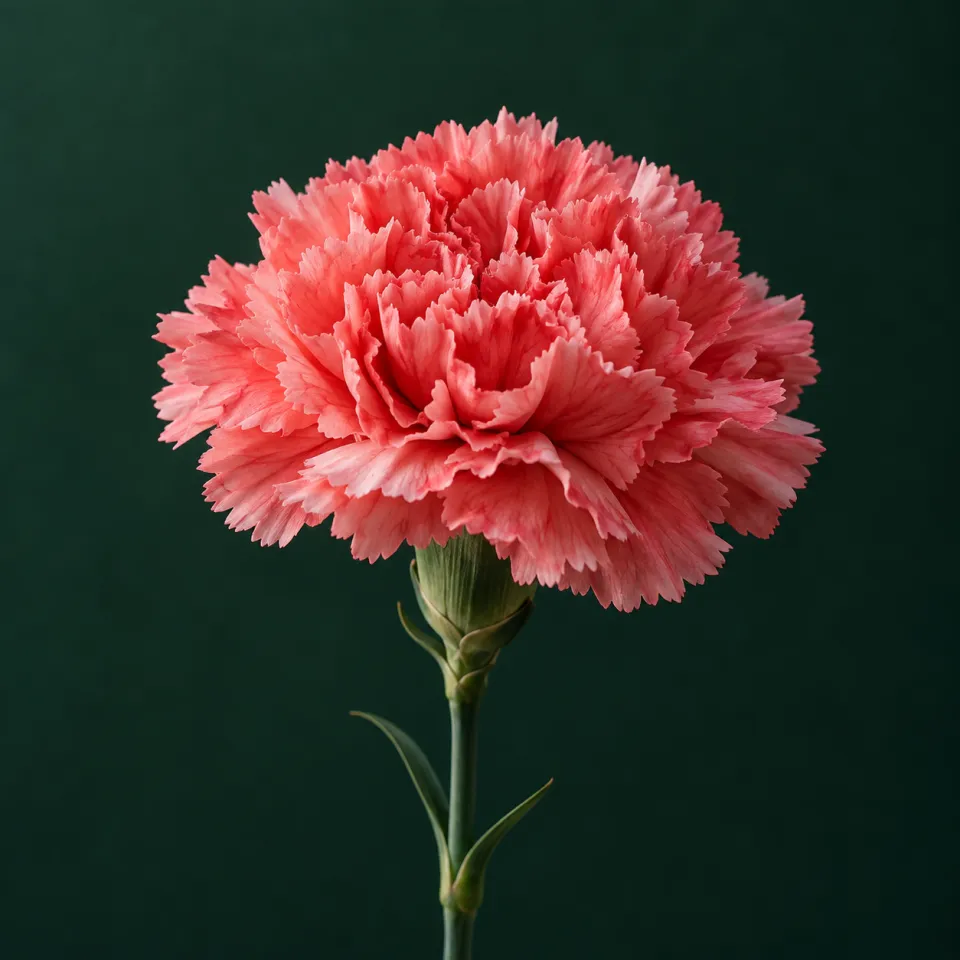
For a personal floral tribute, I would suggest a few carnations gathered into a small bunch. You could ask: “It is to be laid in remembrance of the Defenders of Freedom of 13 January. I would like a simple bunch that is easy to carry.” The flower is our suggestion; for a collective wreath, follow the format of the particular ceremony.
A short dedication such as “In memory of those who defended freedom” keeps the tribute’s meaning. If the bouquet represents a family or association, add its name. The card guide offers other ways to write a remembrance and the transport guide helps prepare the journey.
Candles and flowers outdoors in midwinter
To leave a candle at a memorial, choose an outdoor one in a glass holder with a lid, like those used in cemeteries. The lid shields the flame from the wind. Set it on firm ground and keep it away from wrapping paper, ribbons and wreaths.
The window candle is a separate gesture: the “Atmintis gyva, nes liudija” initiative invites people to light it at 8:00 on the 13th for ten minutes. Don’t leave it alone while it burns.
In frost, keep the bouquet wrapped until you reach the memorial and remove the paper only when you lay it down. If you will be standing by the bonfire or through a ceremony, collect the flowers as late as you can. The transport guide explains how to prepare that journey in the cold.
Which flowers to choose
Compare flowers to choose the format, colours and care that suit the occasion.
Guides to help with your decision
16 February in Lithuania: flowers for a tribute
16 February commemorates the 1918 Act. Floral tributes in Vilnius and Kaunas, with ideas for a hand-tied bunch, a group arrangement and transport.

11 March in Lithuania: flowers to remember the signatories
11 March commemorates the 1990 Act. Tributes to signatories, the Žinia monument and how to establish a bouquet’s destination before arranging delivery.
How to transport a bouquet by car or plane
How to carry a bouquet, a potted plant or dried flowers without crushing them. Packing, water and checks for flights and bringing plants into your destination.
What to write in a card with flowers
Ideas for writing a flower card in your own words. Examples for birthdays, thanks, anniversaries and sensitive moments.
Frequently asked questions
Do earlier events change the calendar date?
No. The annual occasion remains on 13 January. Commemorative bonfires may take place the previous evening, while the tribute run can have a different date: in 2026 flowers were laid before the run on 10 January. Use that edition’s programme to attend a particular activity.
Is 13 January a public holiday in Lithuania?
No. It is a commemorative day under the Law on Commemorative Days, but it is not among the public holidays in the Labour Code. In 2027 it falls on a Wednesday, so it is a working day. If your ceremony is early, collect the bouquet the afternoon before and keep it somewhere cool at home.
Why a forget-me-not if it doesn’t flower in January?
Because the symbol is a badge, not a cut flower. Its creators proposed it as an alternative to the black mourning ribbon, to remember the victims with gratitude and not only with sadness. Garden forget-me-nots flower between spring and early summer. If you want fresh flowers, take a small bunch of another flower.
Sources and what they support
- Lietuvos Respublikos Seimas · Laisvės gynėjų atminimas
13 January as an annual commemorative day (Law on Commemorative Days) and the floral ceremony at the Antakalnis memorial, with Kuzma’s “Pieta” and the 1991 wooden cross. Flowers in other towns, eve bonfires at the TV Tower, LRT and the Seimas since 1992, and window candles at 8:00 for ten minutes since 2008. History and traditions, not guaranteed times or access for a future edition.
- Lietuvos nacionalinis muziejus · January 13
January 1991 context and the commemoration’s English name. The exhibition and its dates belong to 2026; no permanent access is promised.
- New! · I Remember | Why We Are Free
The creators describe the blue forget-me-not as a new symbol and an alternative to the black mourning ribbon, with distributed and printable paper badges and social media images. A source about their own work, not evidence of cut Myosotis availability or universal participation.
- Vilniaus suaugusiųjų mokymo centras · Sausio 13-oji 2026
2026 report: candles in windows and student participation in the symbolic Lukiškės meadow. Does not identify materials or establish that living plants were planted.
- Raseinių savivaldybė · Laisvės gynėjų diena 2026
Report of 13 January 2026: candles and flowers actually laid at remembrance sites in the town and district. Does not specify species, colours or every location.
- Užsienio reikalų ministerija · Pagarbos bėgimas 2026
Report of 10 January 2026: flowers laid on graves at Antakalnis before the run. That activity does not change the national commemoration on the 13th.
- Vilniaus TV bokštas (Telecentras) · Lietuvos laisvės gynėjams atminti
Granite obelisks where the defenders died, oaks and a linden, bonfire and flowers every 12 January, the 2005 “Aukojimas” sculpture and nine victims buried at Antakalnis. The tower operator’s page; it sets no times or access for a particular year.
- Teisės aktų registras · Lietuvos Respublikos atmintinų dienų įstatymas, 1 str.
Article 1(2)(3): 13 January, Freedom Defenders’ Day, is listed among the commemorative days. The law defines days of remembrance; it does not regulate time off work or opening hours.
- Teisės aktų registras · Lietuvos Respublikos darbo kodeksas, 123 str.
Article 123(1): list of public holidays on which people normally do not work; 13 January is not on it. Regulates work, not shop opening hours or the ceremony programme.
- Royal Horticultural Society · Myosotis sylvatica
Garden forget-me-not (Myosotis sylvatica) flowers between spring and early summer. A British horticultural profile; it does not describe the Lithuanian climate or the 13 January symbol.
How we put these guides together
We review dates, care and recommendations to help you plan each gift.
Spotted something we should review? Contact Agenda Floral.