Flowers
When to give China asters
For China asters as a birthday or thank-you gift decide which flower form the recipient would enjoy most. Ask for cultivars with visible centres or double forms with many petals. Confirm Callistephus chinensis and request a photo before finalising the order. A bouquet with a vase arrives ready to display while an annual plant needs space and care.
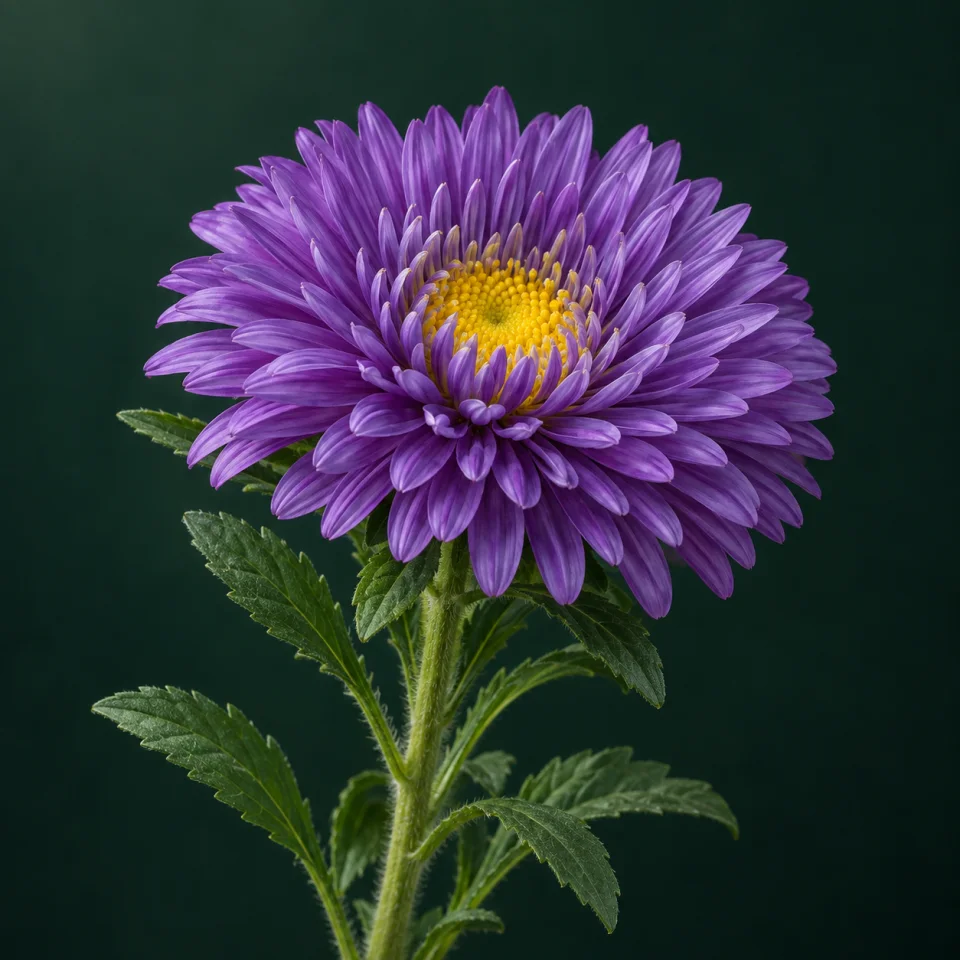
Botanical reference: Callistephus chinensis
Choose the flower form before its colour
For a birthday or thank-you you could choose China asters with a visible yellow centre. If the recipient prefers fuller flowers compare double cultivars with many petals. Callistephus chinensis has several flower forms. Ask for a photo of the proposed cultivar because the species name alone does not tell you how the bouquet will look.
Aster is also a common name for other plants. Confirm Callistephus chinensis if you want the flower covered here. You could suggest it alone or alongside alstroemerias with the flower heads left visible. Choose the mix and colour around the recipient’s taste rather than a meaning everyone is expected to share.
Agree on a gift that can be displayed on arrival
For a thank-you at the end of a visit you could ask like this: “I would like a small bouquet of China asters with visible centres. The recipient will put it on a desk and I would prefer it to arrive with a vase. What size and colours can you prepare for Friday? If that flower form is unavailable I would like to see the alternative first.” Explain the available space and agree on the whole arrangement with its container rather than deciding only by stem count.
Check that the flowers will arrive open enough for your chosen look. Cutting asters too early may prevent proper opening. Do not rely on every closed bud opening in time. Avoid yellowing leaves and ask for protection that will not crush the blooms on the journey.
Care for the cut stems
Use a clean vase and keep leaves that would be submerged out of the water. Keep aster stems and water clean. Check the water level and position the gift away from heat. For an already prepared bouquet follow its instructions and the flower-food label. Professional postharvest temperatures and treatments are not instructions to apply at home.
Consider a plant for someone who wants to grow it
For someone who enjoys tending plants ask about a cultivar suited to a container. China asters vary in height and a compact plant is not the same as long stems for an arrangement. It is an annual. Its cycle differs from a perennial kept as the same plant for several years.
Keep the soil moist with good drainage and air circulation. It needs sun and shelter. Tall cultivars need support. Ask how to adapt the position and watering to the recipient’s climate. Flowering months in an American or British profile do not establish local stock or the Argentine season.
Check the species and the rest of the bouquet around pets
Callistephus chinensis is considered non-toxic to dogs and cats. That classification applies to this species rather than every flower called aster. Check the gift’s other flowers and foliage too and keep arrangement water and products out of reach. Even non-toxic plant material may cause upset if eaten.
Guides to help with your decision
Which flowers to give for a birthday
Compare dahlias, gerberas, anemones and tulips for a birthday. Choose size and format, then plan the budget, card and delivery at home or work.
Which flowers to give as a thank-you
Which flowers to give to thank a friend, colleague or professional. Ideas for the card, a group gift and an agreed handover.
How to care for a bouquet when it arrives
Bouquet care on arrival: water, stem cutting, flower food and mixed flowers. What to check if it looks limp and how to keep the flowers still doing well.
Should you give a bouquet or a potted plant?
Choose between a bouquet and a plant according to space and care. Compare houseplants with a rose bush for Sainte-Catherine in France on 25 November.

How to transport a bouquet by car or plane
How to carry a bouquet, a potted plant or dried flowers without crushing them. Packing, water and checks for flights and bringing plants into your destination.

Which flowers to give to someone with cats or dogs
Flowers for a home with cats or dogs: options to consider, checking the whole bouquet and precautions with lilies, holly and mistletoe at Christmas.
Frequently asked questions
Is it the same as any garden aster?
No. Aster is a common name for plants from several genera. Confirm Callistephus chinensis and the cultivar if you want the flower form covered here.
Does a double flower become single as it opens?
These are different cultivar forms rather than two stages to expect in every plant. Ask for a photo of the available cultivar to compare visible centres with fuller forms.
Should I choose a bouquet or a potted plant?
For a gift ready to display ask for prepared stems with a vase. A pot suits someone who wants to care for an annual and has an appropriate position. Confirm the cultivar and its size before choosing.
Can I give it to someone with a cat?
You can consider it after confirming Callistephus chinensis and checking the whole bouquet. That species is considered non-toxic to cats but this does not make plants food or cover other flowers and products.
Sources and what they support
- NC State Extension · Callistephus chinensis
Identifies an annual with cultivars of different heights and single or double flower heads. Guides moisture, drainage, airflow and support for tall plants; does not establish florist stock.
- RHS · Cultivo del áster de China
Describes single, semi-double and double forms, cut and container uses, and growing in sun with shelter and drainage. British months do not establish seasons or delivery in other countries.
- UC Davis · Poscosecha de ásteres
A 2004 sheet that includes Callistephus chinensis among several asters. Advises against buying overly immature flowers or yellow leaves and guides hygiene. Not a trial exclusive to this species or a home-care recipe.
- RHS · Cuidados generales de flor cortada
Advises a clean vase, keeping leaves out of water and checking the water level, away from heat. General care does not establish how many days a China aster will last.
- ASPCA · Áster de China y mascotas
Lists Callistephus chinensis as non-toxic to dogs, cats and horses. Does not cover other flowers called asters or every material in a bouquet.
- ASPCApro · Límites de la clasificación no tóxica
Includes Callistephus chinensis among non-toxic plants and notes that eating plant material may cause digestive upset. Does not make the flower food or guarantee symptom-free ingestion.
How we put these guides together
We review dates, care and recommendations to help you plan each gift.
Spotted something we should review? Contact Agenda Floral.