Occasions
Which flowers to give on 8 March in Lithuania
Lithuania · Nationwide
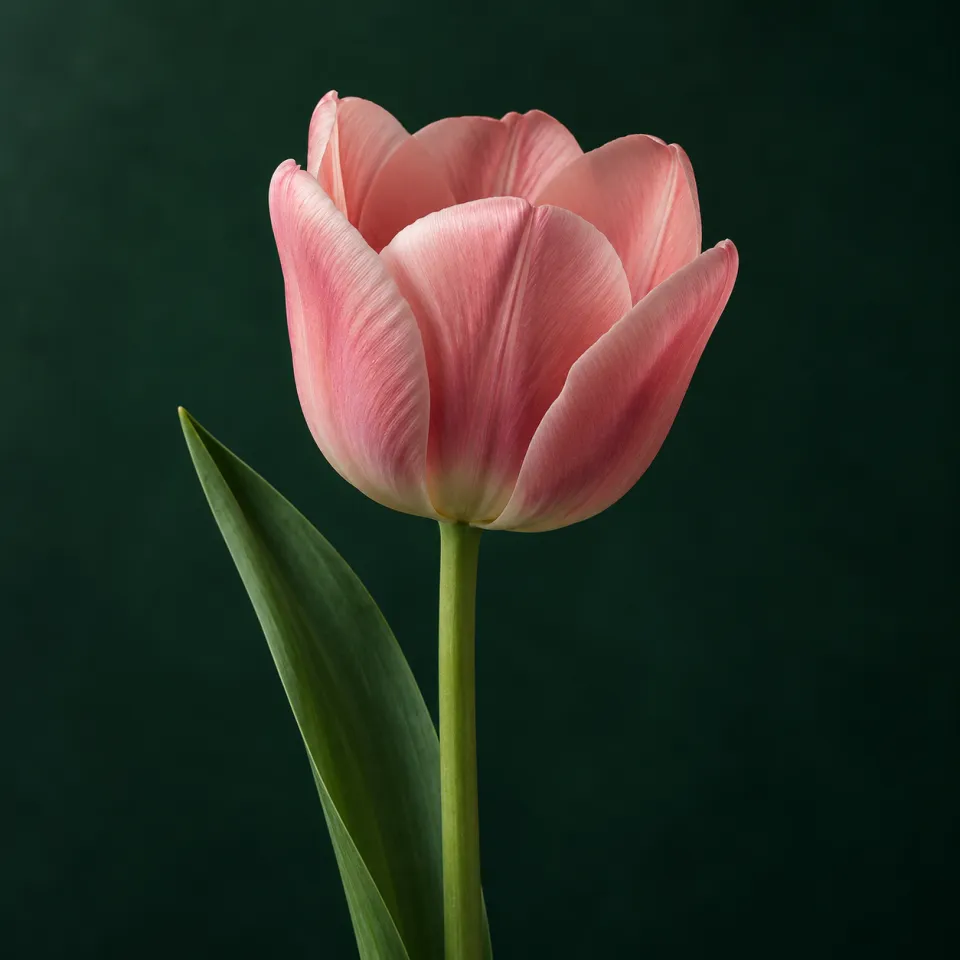
Lithuania marks International Women’s Day on 8 March. If you want to bring flowers, first ask whether she would enjoy receiving them that day. We suggest tulips in a colour she likes and a format that is easy to take home. Add a personal message or choose another way to recognise her if she prefers celebrating without gifts.
Upcoming calendar dates
Lithuania
Agenda Floral, with you
Add it to your calendar
Subscribe to receive the changes we publish or download a copy with yearly repeats to import.
Use in Google Calendar or another calendar
Open Google Calendar on a computer. Beside “Other calendars”, click “+” and choose “From URL”. Paste the address below to add the subscription. You can then view that calendar on devices using your account.
Guide to adding Agenda Floral to Apple and Google Calendar
Apple or Google decide when to check for updates. We cannot guarantee that changes appear immediately. Importing the file gives you a copy that does not receive our future corrections. Importing again may duplicate events. We do not add alarms, although your calendar may apply its own alerts.
8 March and the purpose of the day
The United Nations identifies 8 March as an annual observance. UNESCO centres it on rights and equality. A bouquet can accompany your words if it is welcome, but does not replace that recognition.
Check the specific programme if you would like to attend an activity together. A calendar date does not set a meeting time or confirm a delivery. Nor does it mean everyone wants to experience the day in the same way.
Tulips in Vilnius and personal choice
Vilnius City Municipality records transport and parking staff giving tulips on 8 March 2019. This is one local example, not a rule for the whole country.
The RHS describes tulips’ cup shape and variety of colours. That shape is our visual suggestion. Ask about her favourite colour and what the florist can prepare for your date. You need not repeat a campaign’s bouquet or choose a species she does not like.
A personal gift or a suggestion from the team
With someone you know well, you could ask “Would you like flowers on 8 March, or would you prefer us to make another plan?” Listen before buying. If she does not want gifts, write to her or share an activity she has chosen.
At work, agree the idea with the intended recipients. Do not assume all your colleagues want the same gift or require a photo in return. For a shared card, you could recognise specific contributions in your own words.
Ordering and giving flowers around her plans
You could ask for “A small tulip bouquet for 8 March. She likes yellow and will receive it after work. I need something easy to carry and would like you to check with me before substituting flowers.” This is an example: change the colour, location and budget to what you have agreed.
Confirm who will receive it and the delivery window before ordering. A card could say “I admire how clearly you stand up for your ideas. Thank you for sharing them with me.” Adapt it to something you truly value about her. A calendar copy records the all-day observance, not that delivery appointment.
Which flowers to choose
We suggest flowers that may suit each occasion. Where a custom is documented, we explain it separately. For a personal gift you can choose another flower if you know the recipient will like it more.
Guides to help with your decision
Which flowers to give as a thank-you
Which flowers to give to thank a friend, colleague or professional. Ideas for the card, a group gift and an agreed handover.

How to pack and transport a bouquet of flowers
How to pack and secure a bouquet on foot or in a car. Water, heat and arrival, plus flights and border requirements for Spain, Germany and Argentina.

What to write in a card with flowers
Ideas for writing a flower card in your own words. Examples for birthdays, thanks, anniversaries and sensitive moments.
Frequently asked questions
Are tulips compulsory for 8 March?
No. The Vilnius initiative is a specific precedent. Choose another flower she likes or skip the gift if she prefers.
Do I need to bring flowers for all my colleagues?
Do not make the gesture compulsory for the giver or recipient. Ask whether they want a shared plan and respect those who prefer not to take part.
Does the occasion include Vilnius events from other years?
No. The calendar records 8 March as an annual observance. To attend an event, check its current announcement and arrange any delivery separately.
Sources and what they support
- United Nations Peacekeeping · International Women’s Day
Identifies 8 March every year as the international observance.
- UNESCO · International Women’s Day
Its 2026 page centres the observance on rights and equality.
- Vilniaus miesto savivaldybė · Kovo 8-oji, 2019
Records tulips given by Vilnius transport and parking staff on 8 March 2019. One local example.
- Royal Horticultural Society · Tulipa
Describes cup-shaped flowers and varied forms and colours. Does not establish commercial stock in Lithuania.
How we put these guides together
We consult institutional sources to check dates and customs. For plant facts, we use horticultural sources. Our gift ideas start with each flower’s appearance and the recipient’s taste. A shop link documents a particular offer. It does not prove that a flower is popular or part of a tradition. We keep adding to this selection rather than claiming to cover every species.
Spotted something we should review? Contact Agenda Floral.